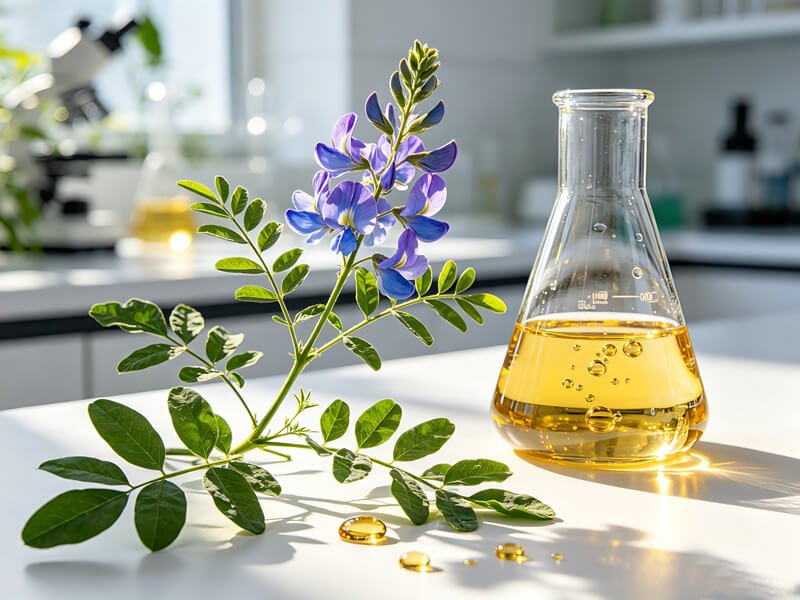
1. The Shantung Maple — Botanical Profile, History, and Cultural Roots

Acer truncatum Bunge is a medium-sized deciduous tree belonging to the family Sapindaceae, widely valued for its exceptional ecological resilience and aesthetic beauty. The tree typically reaches mature heights ranging from 5 to 25 meters and develops a beautifully rounded, expansive dome-shaped canopy. It is physically distinguished by opposite, pentagonal leaves with truncated, squared-off bases. During the autumn season, these leaves transform into a brilliant tapestry of yellow, orange, and crimson, making the tree a favored species in urban landscaping. Naturally distributed across northern, eastern, and western China—specifically in provinces such as Shandong, Gansu, Hebei, Henan, Jiangsu, Jilin, Liaoning, Shaanxi, and Sichuan, as well as the Inner Mongolia Autonomous Region—the tree also grows in parts of Korea and Japan. Its extensive root system provides remarkable adaptation to challenging environments, allowing it to thrive in drought-prone, windy, and highly alkaline soils.
The common Chinese names for this resilient tree are Yuanbaofeng and Yuanbaoqi. These descriptive names are derived from the tree’s unique, winged seed pods, or samaras, which closely resemble “Yuanbao,” the gold and silver ingots used as currency in imperial China. For centuries, indigenous communities developed a deep relationship with this tree. Local cultures harvested the leaves to brew a traditional “maple tea,” which was consumed to promote liver vitality, ease blood pressure, and improve blood circulation. The nutrient-dense seed kernels were traditionally fried and eaten as wild edible nuts, while the woody roots and bark were boiled into decoctions to alleviate joint swelling, bruises, and back pain.
In March 2011, the Ministry of Health of the People’s Republic of China officially certified Acer truncatum seed oil as a new food resource, establishing its safety and legal status as a functional food ingredient. Comprehensive toxicological evaluations, including acute oral toxicity, 90-day subchronic feeding tests, and diverse genotoxicity assays (such as the Ames test, bone marrow cell micronucleus test, and sperm abnormality test), have demonstrated that the refined oil is completely non-toxic and safe for long-term human consumption. Furthermore, researchers have determined that the seed kernels contain between 25% and 27% complete protein and are entirely free of starch. The defatted seed meal remaining after oil extraction contains all nine essential amino acids in a highly balanced ratio, making it an excellent source of high-quality plant-based protein.
In addition, modern botanical research highlights major geographical variations across different natural populations in China. Analytical evaluations of seventy natural samples harvested from Shandong, Jiangsu, and Shaanxi provinces demonstrated that seed kernel oil content ranges from 14.43% to 50.11%, with a stable average of 33.11%. The highest oil content was observed in populations from Wuhu in Anhui Province, reaching up to 50.11%, while the lowest was recorded in Jinan, Shandong, at 14.43%. This wide variation indicates that regional climates, altitudes, and frost-free seasons exert a powerful influence over fat accumulation in the seeds. Specifically, trees grown in southern plains at lower elevations, with warmer temperatures and higher annual precipitation, tend to produce seeds with significantly higher oil contents, whereas northern cooler habitats favor the relative accumulation of specific fatty acid fractions, including nervonic acid.
To investigate these populations in detail, researchers cataloged geographical and meteorological factors from multiple natural collection sites:
- Taian, Shandong: Elevation of 219 meters, annual average temperature of 12.9 degrees Celsius, and annual average rainfall of 697 millimeters.
- Jinan, Shandong: Elevation of 43 meters, annual average temperature of 13.6 degrees Celsius, and annual average rainfall of 614 millimeters.
- Haiyang, Shandong: Elevation of 140 meters, annual average temperature of 12.0 degrees Celsius, and annual average rainfall of 696 millimeters.
- Yiyuan, Shandong: Elevation of 400 meters, annual average temperature of 13.6 degrees Celsius, and annual average rainfall of 730 millimeters.
- Zaozhuang, Shandong: Elevation of 184 meters, annual average temperature of 13.5 degrees Celsius, and annual average rainfall of 875 millimeters.
- Sishui, Shandong: Elevation of 169 meters, annual average temperature of 13.4 degrees Celsius, and annual average rainfall of 755 millimeters.
- Xi’an, Shaanxi: Elevation of 425 meters, annual average temperature of 13.4 degrees Celsius, and annual average rainfall of 621 millimeters.
- Xuzhou, Jiangsu: Elevation of 28.8 meters, annual average temperature of 14.0 degrees Celsius, and annual average rainfall of 865 millimeters.
- Wuhu, Anhui: Elevation of 10 meters, annual average temperature of 15.5 degrees Celsius, and annual average rainfall of 1200 millimeters.
These diverse habitats generate notable phenotypic and biochemical variations, providing a rich selection of genetic resources for targeted breeding programs aimed at optimizing total oil yields and nervonic acid concentration.
| Parameter | Scientific and Geographical Details |
|---|---|
| Botanical Family | Sapindaceae (previously Aceraceae) |
| Common Names | Shantung Maple, Purpleblow Maple, Yuanbaofeng |
| Native Distribution | Northern and western China, Korea, Japan |
| Ecological Tolerance | Resistant to extreme drought, strong winds, and alkaline soils |
| Seed Kernel Composition | 25% – 27% complete protein, 28% – 50.4% crude oil |
| Regulatory Status | Approved as a New Food Resource by the China Ministry of Health (2011) |
2. The Nutritional Blueprint — What is in Acer truncatum Seed Oil?
The seed oil of Acer truncatum is highly regarded due to its dense concentration of monounsaturated and polyunsaturated fatty acids. Modern lipidomic evaluations demonstrate that unsaturated fatty acids account for up to 90% to 92% of the oil’s total fatty acid profile. To understand how the human body utilizes these lipids, scientists analyzed their structural distribution. Using liquid chromatography-tandem mass spectrometry (LC-MS/MS), research has shown that the vast majority of these fatty acids are bound within glycerolipids (making up 78.51% of the total lipids), with Triglycerides (TG) accounting for 59.30%, Diacylglycerols (DG) for 27.91%, and Monoacylglycerols (MG) for 0.14% of the total lipid volume. The high level of Diacylglycerols is considered a significant nutritional advantage, as dietary DGs have been shown to reduce postprandial blood lipids and decrease visceral fat deposition compared to standard triglycerides.
To analyze this oil at the laboratory level, researchers utilize precise sample preparation and extraction methods. Typically, 10 milligrams of the oil is added to a 2 milliliter centrifugal tube, followed by the addition of 1 milliliter of a specialized lipid complex solution composed of Acetonitrile and Isopropanol in a 1:1 ratio. The mixture is vortexed for 1 minute. Next, 10 microliters of this initial diluent is mixed with 20 microliters of a 10 micromolar internal standard working solution and 970 microliters of lipid reconstituted solution. The mixture is shaken for 1 minute and centrifuged at 12,000 g at 4 degrees Celsius for 3 minutes. Finally, 120 microliters of the supernatant is collected for analysis.
In addition to this, the chromatographic separation and detection are executed on a high-performance liquid chromatography-electrospray ionization-mass spectrometry (LC-ESI-MS/MS) system. The system comprises an ultra-performance liquid chromatography apparatus coupled to a triple quadrupole-linear ion trap mass spectrometer. Separation is performed on a specialized C30 analytical column (2.6 micrometers particle size, 2.1 millimeters internal diameter by 100 millimeters length) kept at a column temperature of 45 degrees Celsius. The mobile phases used consist of:
- Solvent A: Acetonitrile and water in a 60:40 volume ratio, containing 0.1% formic acid and 10 millimoles per liter of ammonium formate.
- Solvent B: Acetonitrile and Isopropanol in a 10:90 volume ratio, containing 0.1% formic acid and 10 millimoles per liter of ammonium formate.
The elution gradient runs at a flow rate of 0.35 milliliters per minute with an injection volume of 2 microliters. The mass spectrometer operates with a source temperature of 500 degrees Celsius, an ion spray voltage of 5500 Volts in positive mode and -4500 Volts in negative mode, and gas pressures for ion source gas 1, gas 2, and curtain gas set to 45, 55, and 35 pounds per square inch (psi), respectively. This highly technical procedure ensures precise identification of all structural fatty acids and lipid molecules.
Beyond its favorable lipid ratio, Acer truncatum seed oil contains a diverse spectrum of fat-soluble micronutrients that provide potent antioxidant protection:
- Tocopherols (Vitamin E): Present at concentrations ranging from 2352.0 to 2654.3 micromol per kilogram of oil. The primary isoform present is gamma-tocopherol (1296.9 to 1442.3 micromol/kg), which acts as a powerful natural antioxidant, protecting tissues from free radical damage and preventing the oxidation of the oil’s unsaturated fats.
- Phytosterols: Ranging from 1961.9 to 2402.8 micromol/kg, with beta-sitosterol (1355.2 to 1631.3 micromol/kg) acting as the dominant phytosterol, helping to inhibit cholesterol absorption in the gut.
- Flavonoids: Making up approximately 3.51% of the oil’s composition, providing excellent free radical scavenging activity and regulating tissue inflammation.
- Beta-Carotene: Present at 2.09 to 2.35 micromol/kg, serving as a precursor to Vitamin A and supporting systemic cellular health.
| Fatty Acid Name | Carbon Chain Structure | Typical Range (%) | Nutritional Classification |
|---|---|---|---|
| Linoleic Acid (LA) | C18:2n-6 (cis) | 28.2% – 37.4% | Essential Omega-6 Polyunsaturated (PUFA) |
| Oleic Acid (OA) | C18:1n-9 (cis) | 21.17% – 29.00% | Omega-9 Monounsaturated (MUFA) |
| Erucic Acid (EA) | C22:1n-9 (cis) | 12.12% – 20.00% | Omega-9 Monounsaturated (MUFA) |
| cis-11-Eicosenoic Acid | C20:1n-9 (cis) | 7.80% – 8.60% | Omega-9 Monounsaturated (MUFA) |
| Nervonic Acid (NA) | C24:1n-9 (cis) | 3.02% – 8.00% | Omega-9 Very-Long-Chain (VLC-MUFA) |
| Palmitic Acid | C16:0 | 3.60% – 10.72% | Saturated Fatty Acid (SFA) |
| Stearic Acid | C18:0 | 1.50% – 4.85% | Saturated Fatty Acid (SFA) |
| alpha-Linolenic Acid | C18:3n-3 (cis) | 1.13% – 2.76% | Essential Omega-3 Polyunsaturated (PUFA) |
3. Nervonic Acid (NA) — The Crown Jewel of Brain Health

Nervonic acid (cis-15-tetracosenoic acid, C24:1n-9) is a monounsaturated very-long-chain fatty acid. It is a critical component of sphingomyelin, which is essential for maintaining the structure and insulation of the myelin sheath—the protective shield around our nerves. Much like the protective plastic coating around electrical wires, the myelin sheath prevents signal leaks, ensuring that electrical impulses travel rapidly and accurately through the central and peripheral nervous systems. Since the human body has a very limited capacity to synthesize NA, obtaining it through dietary sources is highly beneficial.
In the brain, a deficiency of nervonic acid is closely linked to demyelinating conditions, cognitive decline, memory impairment, and various neurological disorders, including multiple sclerosis, adrenoleukodystrophy (ALD), Zellweger syndrome, and Alzheimer’s disease. Scientific studies have demonstrated that nervonic acid supplementation can promote myelin repair by binding with sphingosine to form sphingomyelin. In premature and newborn infants, rapid brain growth and myelin sheath formation depend on a steady supply of NA. Red blood cell sphingomyelin NA levels serve as a direct index of myelin maturation in the developing brain. Furthermore, NA helps maintain the structural fluidity of neuronal cell membranes, improves information transmission between brain cells, and protects against age-related cognitive decline.
For decades, commercial nervonic acid was sourced almost exclusively from the brains of marine mammals (such as sharks), raising severe ecological, ethical, and sustainability concerns. This led to extensive global screenings to find viable plant sources. While certain rare species contain higher absolute percentages of NA in their seed oil—such as Malania oleifera (40% to 67%), Macaranga adenantha (56%), and Cardamine graeca (46%)—these plants are endangered, have extremely limited geographical distribution, or produce low seed yields. In contrast, the Shantung Maple (Acer truncatum) is widely cultivated, highly resilient, and produces massive seed yields (up to 30 kg of fruit per mature tree). Although its seed oil contains a lower percentage of NA (typically 5% to 8%), the tree’s abundance and high seed productivity make it the most sustainable and scalable plant resource for the industrial production of nervonic acid.
A comparative screening of 46 different Acer species conducted in southwest China revealed that nervonic acid is present in the seed oils of all maples, but is highly variable. While Acer elegantulum was found to have the highest relative NA concentration (13.90% of total oil), Acer coriaceifolium emerged as the top candidate for new crop development due to its superior seed weight (4.65 g per 100 seeds) and high total oil content (44.84%). To meet the rising global demand for sustainable plant-based nervonic acid, the Botanical Extract Factory specializes in high-purity extraction and purification technologies, providing standard and customized refined nervonic acid extracts (ranging from 5% to over 90% purity) for premium nutritional, pharmaceutical, and dietary supplement formulations.
| Natural Source | NA Content in Oil (%) | Ecological & Supply Feasibility | Primary Practical Application |
|---|---|---|---|
| Shark Brains | Varies (High) | Highly unsustainable, severe ethical concerns, restricted | Strictly limited or phased out globally |
| Malania oleifera | 40% – 67% | Endangered species, narrow geographical distribution, low yield | Limited scientific research; not scalable |
| Cardamine graeca | 46% | Weedy herbaceous plant, difficult to cultivate on a large scale | Experimental use only |
| Acer truncatum Seeds | 5% – 8% (up to 11.69%) | Highly abundant, hardy tree, massive seed yield, sustainable | Primary commercial plant source of nervonic acid |
4. Clinical Efficacy — Shantung Maple Oil in Brain and Nerve Therapies

To evaluate the therapeutic efficacy of Acer truncatum seed oil, scientists have conducted rigorous studies using several well-established animal models of neurodegenerative disease, aging, and hypoxic injury.
4.1 Multiple Sclerosis and Myelin Repair
Multiple sclerosis is an immune-mediated chronic demyelinating disease characterized by myelin sheath destruction and neuroinflammation. To evaluate demyelination and myelin repair in living organisms, scientists utilized a cuprizone mouse model. Mice fed 0.2% cuprizone in their standard chow for six weeks exhibited prominent demyelination in the white matter of the brain, particularly in the corpus callosum. To evaluate behavioral changes, researchers performed a series of tests:
- Open Field Test (OFT): Conducted in a square box measuring 50 cm x 50 cm x 30 cm with an open top. A 60 Watt light bulb was positioned 100 cm above the base as the sole illumination source. During the 5-minute test, the total distance, frequency, and time spent in the center area were recorded. Untreated demyelinating mice showed schizophrenia-like behavioral changes, including increased exploration of the center, which indicates heightened agitation.
- Elevated Plus Maze (EPM): Elevated 70 cm above the ground, consisting of two open arms and two closed arms (each measuring 35 cm x 6 cm). Under a 60 Watt light hung 100 cm above, mice were placed in the center facing an open arm. During the 5-minute test, demyelinating mice entered the open arms with abnormally high frequency, indicating impaired risk assessment.
- Forced Swim Test (FST): Mice were placed in a glass cylinder (30 cm height, 15 cm diameter) containing water kept at 25 degrees Celsius and filled to a depth of 20 cm, preventing them from touching the bottom. The total immobility time during the final 4 minutes of a 5-minute session was measured to assess physical coordination.
- Tail Suspension Test (TST): Mice were suspended by adhesive tape placed approximately 1 cm from the tip of the tail, keeping their nose 10 cm from the tabletop. The period of immobility during the last 4 minutes of a 5-minute session was recorded.
- Rota-Rod Test: Used to evaluate motor coordination and physical endurance. Mice were trained on a treadmill at 18 revolutions per minute (rpm) for 3 minutes over two consecutive days. On the third day, the test was performed at 40 rpm, recording the time until the mouse fell off (with a maximum cutoff of 300 seconds). Demyelinating mice showed poor motor coordination and fell off significantly sooner than normal controls.
Following cuprizone withdrawal, the mice were treated with a diet supplemented with 4% Acer truncatum seed oil (the ASO group) for two weeks. To prepare the brain tissue for microscopic and morphological analysis, researchers sectioned the brain into 50 micrometer coronal slices using a vibration microtome. For ultra-structural evaluation under transmission electron microscopy (TEM), the brain was perfused with 4% formaldehyde containing 0.1% glutaraldehyde in 0.1 M phosphate buffer. The corpus callosum slices were post-fixed with 1% osmium acid for 30 minutes, dehydrated with increasing alcohol concentrations, and embedded in Epon 812 resin. The capsules were polymerized in an oven running a multi-step heating program: 37 degrees Celsius for 2 hours, 45 degrees Celsius for 2 hours, and finally 60 degrees Celsius for 48 hours. Slices with 70 nanometer thickness were prepared and stained with uranyl acetate and lead citrate before TEM observation.
The results showed that ASO treatment significantly enhanced myelin repair, restoring regular and dense myelin sheath arrangement in the corpus callosum. ASO-treated mice exhibited a significant increase in the number of mature, myelinating oligodendrocytes (labeled with CC1) and a major recovery in the expression of Myelin Basic Protein (MBP). Behavioral abnormalities, including the abnormal hyperactivity in the OFT and EPM, were successfully reversed. Furthermore, their physical coordination on the Rota-rod treadmill was significantly improved, demonstrating that Acer truncatum seed oil is a highly promising dietary therapy for myelin repair. This effect is further mediated by the activation of the TREM2-APOE microglial pathway, which enhances myelin debris clearance and prevents central neuroinflammation.
4.2 Alzheimer’s Disease and the Gut Microbiota-Brain Axis
Alzheimer’s disease is a progressive neurodegenerative disorder characterized by learning and memory decline, brain neuroinflammation, and the accumulation of toxic amyloid-beta (Aβ) plaques. A 2026 study evaluated the effect of feeding 5xFAD transgenic AD mice a standard diet supplemented with 4% ASO from one to six months of age. To measure changes in cognitive and physical performance, researchers executed a series of behavioral assessments:
- Morris Water Maze (MWM): Conducted in a circular pool (122 cm diameter, 58 cm height) filled with opaque water kept between 23 and 25 degrees Celsius. The pool was divided into four quadrants, and a hidden platform (12 cm diameter) was placed in the target quadrant, submerged 1.2 cm below the water surface. During five days of daily training (4 trials per day), the escape latency of mice locating and ascending the platform was measured. On the sixth day, the platform was removed, and a 60-second probe trial was executed to measure the target quadrant residence time, target distance percentage, and platform crossing frequency.
- Novel Object Recognition (NOR): Performed in an open field measuring 55 cm x 55 cm x 40 cm. On day one, mice adapted to the empty box for 5 minutes. On day two, they explored two identical red cubes (familiar objects) for 5 minutes. During the formal test phase, one red cube was replaced with a green cylinder (novel object). The exploration time spent on the novel object was recorded to calculate the recognition index.
- Grip and String Tests: Grip performance was evaluated on a 3 mm diameter, 60 cm long metal rod elevated 40 cm above the surface. Scoring was defined as: 0 points for failing to grip, 1 point for hanging 1 to 10 seconds, 2 points for 11 to 20 seconds, and 3 points for over 21 seconds. The string test evaluated coordinated movement over 30 seconds: 0 points for falling, 1 point for hanging with two forelimbs, 2 points for hanging with four paws, 3 points for using four paws and tail, 4 points for moving along the string, and 5 points for successfully reaching the vertical support within 30 seconds.
The results showed that ASO-fed AD mice exhibited a significant decrease in escape latency during the MWM training days and spent significantly more time in the target quadrant during the probe trial. Their recognition index in the NOR test was also significantly increased, and their grip/string test scores improved dramatically, demonstrating that ASO treatment successfully alleviated spatial learning and memory deficits. Pathologically, ASO treatment led to a significant reduction in TS-positive Aβ plaques and reduced soluble Aβ1-40 and Aβ1-42 levels in the hippocampus and cortex. Furthermore, ASO treatment inhibited the proliferation of microglia (marked by Iba1) and astrocytes (marked by GFAP), reducing pro-inflammatory cytokines (IL-1β, IL-6, and TNF-α) in the brain. At the microbiome level, ASO increased Chao1 and Shannon indices, indicating elevated gut microbial diversity. It decreased harmful, pro-inflammatory taxa (like Allobaculum, Adlercreutzia, and Streptococcus) and significantly increased beneficial, short-chain fatty acid (SCFA)-producing bacteria (such as Ruminococcaceae, Butyricicoccus, and Sutterella). This microbiome shift led to significantly higher fecal and serum concentrations of butyric, propionic, and acetic acids. Butyrate, a key microbial metabolite, crosses the blood-brain barrier to reduce central neuroinflammation and promote the formation of dendritic spines in the hippocampal dentate gyrus, thus restoring synaptic connectivity.
4.3 Aging and Age-Related Cognitive Decline
Normal brain aging leads to a decline in spatial memory and synaptic plasticity, often driven by low-grade chronic neuroinflammation. In a study evaluating 20-month-old naturally aging mice treated orally with Acer truncatum seed oil (0.01 mL/g/day) for one month, researchers observed a significant reversal of age-related cognitive deficits. Treated mice showed shorter escape latencies in the MWM and an increased frequency of platform crossings, indicating improved spatial learning and memory. Biochemically, ASO treatment activated the BDNF/TrkB signaling pathway, leading to increased levels of BDNF and the phosphorylation of its receptor TrkB, as well as downstream effectors ERK and Akt in the hippocampus. It also restored the levels of phosphorylated CREB, a key transcription factor for synaptic plasticity. Furthermore, the expression of critical synaptic proteins—including PSD95, GluA1, and NMDAR1—was significantly increased, and the mRNA expression of pro-inflammatory cytokines was suppressed, indicating that ASO represents an excellent dietary supplement to protect brain health from age-related decline.
4.4 High-Altitude Hypoxic-Ischemic Encephalopathy (HIE)
Hypoxic-ischemic encephalopathy (HIE) at high altitudes is a severe condition that causes significant neonatal mortality and long-term neurological complications due to reduced atmospheric oxygen pressure. A 2023 multi-omics study evaluated the neuroprotective effects of ASO on neonatal HIE rats in a simulated high-altitude environment (4500 meters). The neonatal rats with HIE were subjected to unilateral carotid artery ligation, followed by exposure to a hypoxic chamber containing 6% oxygen and 94% nitrogen for 2.5 hours at 35 to 37 degrees Celsius. To evaluate brain tissue damage, 2 mm coronal slices of the brain were prepared and stained with 1% triphenyltetrazolium chloride (TTC) for 15-30 minutes at 37 degrees Celsius. Normal tissue stained bright red, while infarcted areas appeared white. The results showed that ASO treatment (30 mg/kg) significantly reduced the brain infarction volume, protected the neat arrangement of brain cells, and reduced neuronal edema. Multi-omics analyses revealed that ASO treatment decreased free fatty acids (FFAs) in the brain (especially free $\omega$-6 and $\omega$-9 FFAs, which can trigger lipid peroxidation and tissue injury) while increasing structural phospholipids (such as PC, PE, PS, and PI). Additionally, ASO significantly reduced the levels of oxidized glycerophospholipids (OxGPs), such as oxidized phosphatidylinositol, which are markers of oxidative stress.
5. Additional Wellness Benefits of Shantung Maple Oil

Beyond its well-documented neurological applications, Acer truncatum seed oil provides outstanding benefits in addressing daily stress, protecting tissues, and mitigating oxidative damage.
5.1 Anti-Alcohol and Hangover Protection
Alcohol consumption can impair motor skills and trigger acute oxidative damage in tissues. A 2023 study evaluated the potential of ASO—either alone or in synergistic combination with traditional anti-alcoholic herbs like Pueraria lobata (PL) and soybean milk (SM)—in treating acute alcohol toxicity in animal models. The study found that rats pre-treated with pure Acer truncatum seed oil experienced a notable decrease in coordination loss, as measured by fewer falls in slope tests. Because alcohol disrupts biological membrane fluidity and triggers reactive oxygen species, the structural lipids in ASO (especially diacylglycerols and monounsaturated fatty acids) help stabilize cells and maintain membrane fluidity. When ASO was combined with Pueraria lobata and soybean milk powder (forming an ASO + PL + SM formula), learning and memory recovery in intoxicated rats was significantly enhanced, suggesting that lipid-peptide structures in this formula increase the oral bioavailability of these protective compounds.
5.2 Systemic Anti-Inflammatory and Antioxidant Support
Chronic inflammation and oxidative damage are primary drivers of age-related systemic decline. The rich presence of unsaturated fatty acids, flavonoids, and tocopherols (Vitamin E) in ASO provides strong systemic protection. In vitro free radical scavenging assays show that ASO and its key diterpene fractions (such as carnosic acid) are highly efficient at neutralizing DPPH, ABTS, and PTIO free radicals. In animal models, ASO administration significantly decreases malondialdehyde (MDA), a key marker of lipid peroxidation, while preserving the activity of crucial antioxidant enzymes like superoxide dismutase (SOD) and glutathione peroxidase (GSH-Px). It also down-regulates the production of pro-inflammatory cytokines (IL-1β, IL-6, and TNF-α) in both brain tissues and blood serum, helping maintain systemic immune homeostasis.
6. Processing, Deacidification, and Stabilization Technology
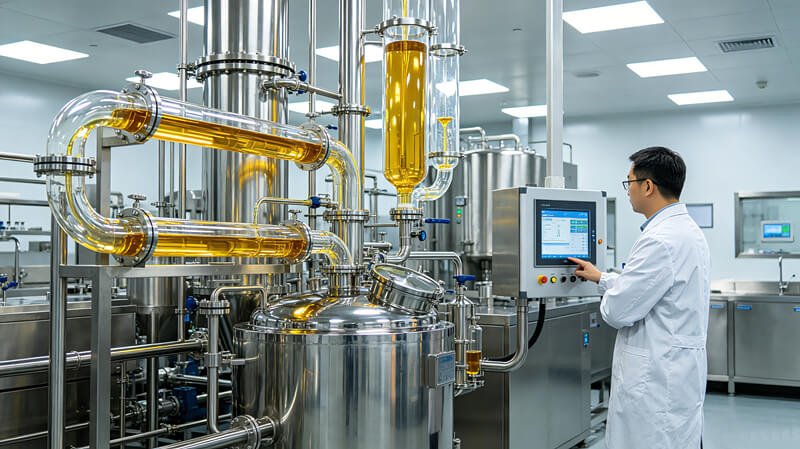
Because Acer truncatum seed oil is rich in highly heat-sensitive, unsaturated very-long-chain fatty acids and natural antioxidants, using appropriate extraction and refining technologies is essential to preserve its nutritional quality and prevent rancidity.
6.1 Extraction and Refining Methods
Traditional cold pressing is a clean method to extract crude oil from seeds, but the resulting oil often has a high acid value (AV) and requires subsequent refining. Subcritical solvent extraction (using subcritical butane) or Supercritical Carbon Dioxide (SC-CO₂) extraction are highly efficient alternatives. Oil extracted using SC-CO₂ under optimized conditions is exceptionally rich in natural tocopherols, phytosterols, and beta-carotene, resulting in superior nutritional quality and oxidative stability.
6.2 Deacidification via Molecular Distillation (MD)
Crude oil extracted from Acer truncatum seeds typically contains excessive free fatty acids (FFAs), resulting in a high acid value (often exceeding 2.8 mg g⁻¹). To meet strict food safety regulations (such as the first-grade oil standard of less than or equal to 2 mg g⁻¹), the oil must undergo deacidification. While traditional chemical deacidification (alkali refining) and solvent extraction can remove FFAs, they are associated with several drawbacks, including significant oil loss, saponification, high wastewater generation, and solvent residues. To address these limitations, Molecular Distillation (MD) is employed as a highly efficient, chemical-free physical deacidification technology. Operating under high vacuum conditions (0.5–5 Pa) at temperatures well below the boiling point of triglycerides, MD separates components based on the difference in their molecular free path. Because FFAs have smaller molecular weights and larger free paths than triglycerides, they evaporate and condense on the cold surface first, leaving behind high-purity, refined oil.
A 2024 study optimized and modeled the MD deacidification of ASO using Response Surface Methodology (RSM) and a Genetic Algorithm-Backpropagation Artificial Neural Network (GA-BP-ANN). The topological structure of the BP-ANN model (with m inputs representing evaporation temperature, condensation temperature, and scraper speed, and n outputs representing the refined acid value) was mathematically modeled by optimizing the number of hidden-layer neurons K, calculated via:
where a represents a constant ranging from 1 to 10. Iterative evaluations showed that a 3-9-1 topology paired with a learning rate of 0.20 and ‘tansig’, ‘purelin’, and ‘trainlm’ activation functions achieved the lowest Mean Squared Error (MSE) of 0.00165. The GA-BP-ANN model (running 200 generations with a population of 30) converged at a fitness value of 0.2414, determining the optimal process parameters to be: an Evaporator Temperature of 190 degrees Celsius, a Condensation Temperature of 40 degrees Celsius, and a Scraper Speed of 324 rpm. Under these optimized conditions, the acid value of the refined ASO was reduced to 0.240 ± 0.001 mg g⁻¹ (a deacidification rate of 91.71%), while achieving an exceptionally high oil recovery rate of 92.52% ± 1.61% without altering the oil’s beneficial fatty acid or nervonic acid composition.
| Refining Method | Refined Acid Value (mg/g) | Oil Recovery Rate (%) | Environmental & Process Drawbacks |
|---|---|---|---|
| Alkali Refining (Chemical) | 0.512 ± 0.018 | 73.6% – 84.7% | High water use, chemical soap-stock waste, soap-related oil loss |
| Solvent Extraction (Chemical) | 0.767 ± 0.073 | 77.5% – 84.6% | Solvent residue concerns, requires multi-stage solvent evaporation |
| Molecular Distillation (MD – Optimized) | 0.240 ± 0.001 | 92.52% ± 1.61% | None (Physical process, solvent-free, zero wastewater generation) |
6.3 Stabilization and Formulation Technologies
To extend shelf life, rosemary extract containing carnosic acid (CA) can be added as a natural antioxidant. Carnosic acid (at 0.07%) is highly efficient at preventing the thermal oxidation of ASO. Its protective effect can be further enhanced by incorporating soybean lecithin, which increases CA solubility in the oil matrix and prevents the formation of off-odor aldehydes. To resolve the low water solubility and strong oily taste of ASO, researchers developed a microencapsulation method using complex coacervation, which enables the oil to be easily formulated into dry powders and aqueous food products. The complex coacervation process (using chickpea protein and citrus pectin at a 6:1 ratio, pH 4.1) can achieve an encapsulation efficiency of 80.22% ± 2.16%. These microcapsules are highly stable in food matrices and achieve controlled release in simulated intestinal fluid.
7. Commercial Formulations and Future Functional Foods
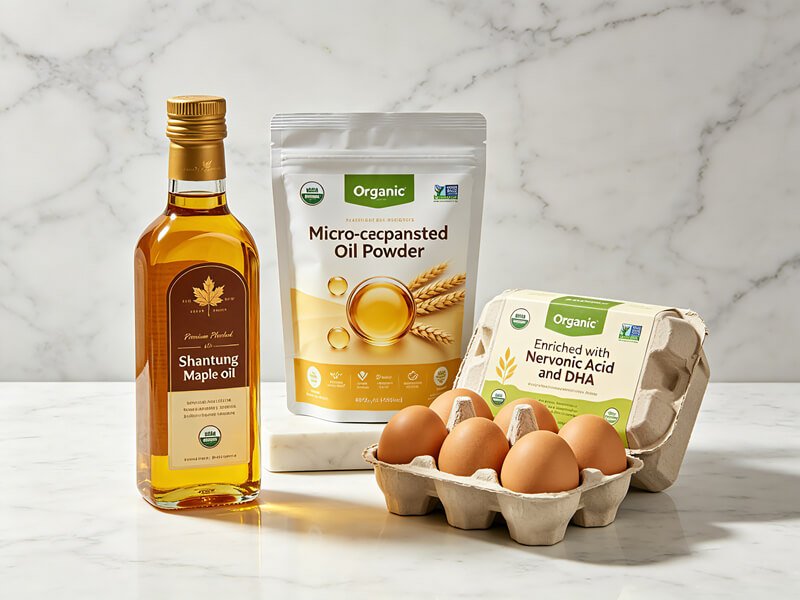
As nutritional awareness grows, the development of daily functional foods enriched with brain-supporting very-long-chain fatty acids offers exciting market potential.
7.1 Blended Cooking Oils
Because pure Acer truncatum seed oil has a high market price, formulating blended oils is an effective strategy to lower manufacturing costs and optimize the dietary ratio of fatty acids for daily consumption. A patented wellness formulation combines Acer truncatum seed oil (50–80 parts) with refined sesame oil (1–10 parts), camellia oil (1–15 parts), olive oil (1–10 parts), and linseed oil (1–10 parts). This blended oil exhibits a highly balanced ratio of saturated, monounsaturated, and polyunsaturated fatty acids, as well as an optimized omega-3 to omega-6 polyunsaturated fatty acid ratio of approximately (4-6):1, providing a cost-effective cooking oil that supports cardiovascular and brain health.
7.2 Enriched Eggs and Animal Nutrition
Eggs are a highly bioavailable source of high-quality proteins and lipids, making them a potential vehicle for delivering functional, brain-supporting nutrients. A 2026 animal production trial investigated the effects of feeding laying hens a basal diet supplemented with 10% Acer truncatum seed. The results showed that supplementation did not cause any organ damage or toxicity. The eggs from the seed-fed group showed a significant increase in average egg weight, as well as improvements in albumen height, eggshell strength, and Haugh units (indicating fresher eggs). Most notably, the total content of nervonic acid (NA) in the yolk oil surged from 0.29% to 3.75%, and the content of DHA significantly increased from 46.80 to 62.40 micrograms per gram of yolk. This technology provides a practical pathway to produce high-value-added, nutrient-dense daily eggs.
| Formulation Type | Key Ingredients & Ratios | Primary Health & Physical Benefit | Commercial Target Audience |
|---|---|---|---|
| Blended Dietary Cooking Oil | ASO (50-80), Camellia (1-15), Sesame (1-10), Olive (1-10), Linseed (1-10) | Optimized omega-3 to omega-6 ratio (4:1 to 6:1), significantly lowers cost | General household use; daily lipid balance |
| Microencapsulated Oil Powder | ATSO encapsulated in Chickpea Protein and HMCP pectin at a 6:1 ratio | Masks oily taste, high water solubility, prevents oxidative rancidity | Dairy industry, dry beverage mixes, infant formula |
| Submicron Emulsion (SE) | ASO dispersed in Rose roxburghii juice with 4% SSOS emulsifier | Extremely small particle size (276 nm), enhanced oral bioavailability | High-efficacy cognitive recovery supplements |
| Enriched Eggs | 10% Acer truncatum seed cake added to standard laying hen feed | Remodels yolk lipids (lower TG, higher PC/PE), yolk NA rises to 3.75% | Health-conscious consumers, children, elderly |
8. Conclusion and Expert Recommendations
In summary, Acer truncatum seed oil represents a revolutionary natural resource for human brain health, neurological repair, and everyday cellular protection. Scientific research has confirmed that its high concentration of monounsaturated fatty acids, particularly the very-long-chain nervonic acid, provides indispensable support for maintaining and repairing the brain’s protective myelin sheath. From promoting remyelination in multiple sclerosis models to reducing amyloid-beta plaques in Alzheimer’s models, and reducing brain tissue injury under high-altitude hypoxic stress, this golden seed oil has proven its multi-targeted efficacy across various demanding physiological conditions. Furthermore, high-tech physical deacidification through molecular distillation and advanced microencapsulation technologies have successfully cleared the path for incorporating this oil into stable, highly digestible daily foods, such as functional dairy, blended oils, and enriched poultry eggs.
For health product manufacturers, agricultural developers, and health-conscious consumers, harnessing the power of Acer truncatum seed oil is an excellent way to elevate the nutritional profile of functional foods and support cellular longevity. Choosing a reliable partner who understands the complex science of extraction, deacidification, and microencapsulation is crucial. The Botanical Extract Factory specializes in sourcing and formulating premium, high-purity Acer truncatum seed oil, offering solutions tailored to meet the strictest food standards. Whether you are looking to develop a premium blended cooking oil, formulate a stable submicron brain-health emulsion, or secure bulk high-purity nervonic acid extracts, our technical experts are here to guide you. We invite you to connect with our specialist team today to explore how this natural neurological wonder can enhance your product line and empower your health goals.
Frequently Asked Questions
1. What is Acer truncatum seed oil, and where does it come from?
Acer truncatum seed oil (also known as Shantung Maple or Purpleblow Maple oil) is a highly functional vegetable oil cold-pressed from the seeds of the Acer truncatum tree, which is native to northern and western China. In 2011, it was officially recognized by the Chinese Ministry of Health as a “new food resource” due to its safety profile and high nutritional value. For bulk high-quality sourcing, the Botanical Extract Factory offers standard and customized refined oil extracts of premium quality.
2. Why is Acer truncatum seed oil considered a “super-nutrient” for the brain?
The oil contains a high concentration of monounsaturated fatty acids, particularly nervonic acid (NA), which typically accounts for 5% to 8% of its total fatty acids. Nervonic acid is a crucial, rate-limiting building block of sphingomyelin, which is essential for the formation and repair of the myelin sheath—the protective insulating layer surrounding our nerves.
3. Can this oil help with demyelinating conditions like Multiple Sclerosis?
Yes, in animal models of demyelination, dietary supplementation with 4% Acer truncatum seed oil during the recovery phase promoted significant myelin sheath repair (remyelination) in the brain. It accelerated mature oligodendrocyte growth (CC1 cells) and restored Myelin Basic Protein (MBP) levels by activating the TREM2-APOE microglia pathway, which clears myelin debris and reduces central neuroinflammation.
4. How does Acer truncatum oil impact memory, dementia, and Alzheimer’s disease?
Preclinical trials show that the oil has strong potential to improve cognitive impairment. In Alzheimer’s mouse models, it significantly reduced the accumulation of amyloid-beta plaques in the brain, enhanced physical coordination, and decreased pro-inflammatory cytokines in both the brain and blood serum. In naturally aging mice, it up-regulated critical postsynaptic proteins and activated the BDNF/TrkB learning pathway.
5. What is the role of the “gut-microbiota-brain axis” in this oil’s cognitive benefits?
Studies have shown that consuming Acer truncatum seed oil reshapes the gut microbiota, promoting the growth of beneficial, butyrate-producing bacteria (such as Ruminococcaceae and Butyricicoccus). This increases fecal and serum concentrations of short-chain fatty acids (SCFAs), particularly butyrate. These compounds cross the blood-brain barrier, reducing neuroinflammation and restoring dendritic spine density in the brain.
6. What is the anti-alcohol and hangover-protective effect of the oil?
In animal models of acute alcohol intoxication, pre-treatment with the oil significantly improved physical balance and reduced motor incoordination. Furthermore, combining the oil with Pueraria lobata (a traditional anti-alcoholic herb) and soybean milk powder (forming an ASO + PL + SM mixture) significantly enhanced learning and memory recovery in intoxicated models.
7. How is the oil refined, and what is the benefit of Molecular Distillation?
Raw pressed oil typically has a high acid value (exceeding 2.8 mg g⁻¹) due to free fatty acids, which can cause rancidity. Deacidification via high-tech Molecular Distillation (MD) operates under a high vacuum at low temperatures, physically separating free fatty acids. This chemical-free physical method achieves a refined acid value of 0.240 mg g⁻¹ and a 92% oil recovery rate without altering the oil’s beneficial fatty acid or nervonic acid composition.
8. How can we formulate and stabilize this highly unsaturated oil in daily food products?
The oil is highly sensitive to oxygen and heat. It can be stabilized by adding natural carnosic acid from rosemary extract (combined with soybean lecithin to improve solubility), which prevents oxidation and off-odors. For liquid beverages, ASO can be successfully microencapsulated using chickpea protein isolate (CPI) and citrus pectin complex coacervates, which masks the oily taste and increases water solubility. The Botanical Extract Factory provides advanced formulation and custom microencapsulation services to meet these challenges.
9. Can Shantung Maple seeds be used to make nutrient-enriched eggs?
Yes, research has shown that supplementing laying hen feed with 10% Acer truncatum seed meal over two weeks improves egg weight, Haugh units, and eggshell thickness. More importantly, it remodels the yolk lipids (increasing structural PC/PE phospholipids) and enriches the yolk oil with up to 3.75% total nervonic acid and significantly higher levels of DHA.