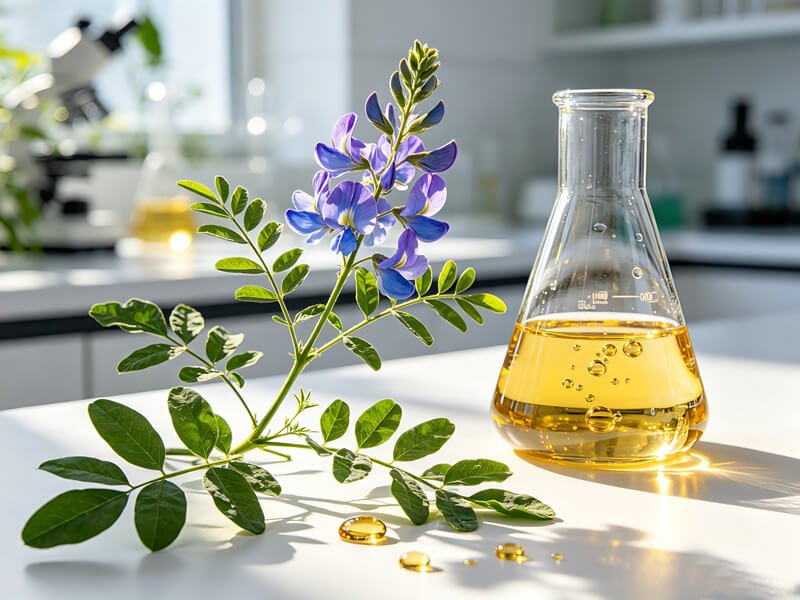
1. The Identity of the Desert survivor: What Exactly is Prickly Pear Seed Oil?
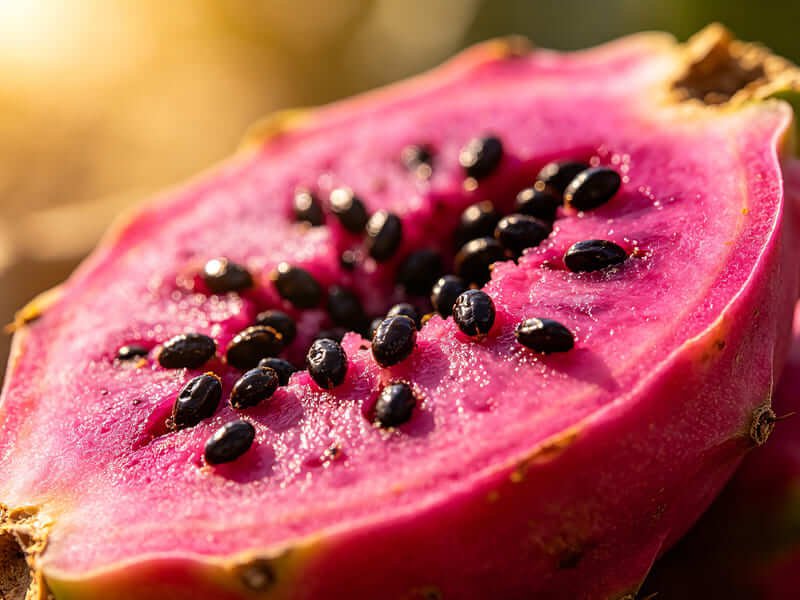
When we talk about Prickly Pear Seed Oil, we are talking about an extract from the Opuntia ficus-indica. This plant is a member of the Cactaceae family, and while it looks like a simple desert plant, it is actually a highly evolved biological machine. Originally native to the Americas—specifically Mexico and Colombia—this cactus is a master of adaptation. It has spread across the Mediterranean basin, the Middle East, and even the dry outbacks of Australia. You might know it by many different names. In its Mexican home, the fruit is called “tuna” and the pads are called “nopales.” In North Africa, it is known as the “Barbary Fig.” In some European regions, people call it the “Indian Fig.” Regardless of what you call it, the source of the beauty world’s obsession remains the same: the oil found within the pips.
The Difference Between Oil Types
It is vital to understand that not all “Cactus Oils” are the same. Many consumers are tricked by cheap products that are labeled as “Prickly Pear Oil,” but there is a major technical difference between Seed Oil and Fruit Oil.
- Prickly Pear Seed Oil: This is the luxury product. It is extracted only from the tiny black seeds. It requires massive pressure and a huge amount of raw material. It is clear, light golden or greenish, and packed with Omega-6 fatty acids.
- Prickly Pear Fruit Oil (or Macerate): This is often a much cheaper product. It is made by taking the flowers or the colorful fruit pulp and soaking them in a carrier oil like sunflower or soybean oil for a few weeks. While it might smell like the fruit, it has almost none of the powerful skin-repairing properties found in the seeds.
- Pulp Oil: Some manufacturers extract oil from the pulp itself. While nutritious, it has a completely different chemical profile than the seed oil and is much less effective for anti-aging purposes.
At Botanical Extract Factory, our focus is exclusively on the pure seed extract, as that is where the scientific data shows the most profound health benefits.
A Hardy Superfood
The Prickly Pear has recently been recognized as a genuine “superfood.” While people have eaten the fruit for its high water content and Vitamin C for centuries, the oil is the most concentrated form of its nutrients. Because the cactus must protect its genetic material (the seeds) from extreme UV radiation and temperatures that can swing from freezing cold at night to scorching hot during the day, it stores a high-density “survival kit” inside the seed. When we apply this oil to our skin, we are taking advantage of a defense system that has been perfected by nature over millions of years.
2. Deep Roots: The Historical and Cultural Heritage

The history of the Prickly Pear is intertwined with the story of human civilization in the Americas. Long before it was a luxury skincare ingredient, it was a lifeline for the Aztec and Mayan people. They called the cactus nochtli. In Aztec culture, the plant was so respected that they believed their capital city, Tenochtitlan (modern-day Mexico City), was founded on the spot where an eagle landed on a Prickly Pear cactus. They used the plant for everything: food, religious rituals, and most importantly, medicine. The Aztecs were the first recorded culture to use the “milky juice” of the cactus pads mixed with honey to treat serious skin burns and wounds. They recognized that the plant had a “regenerative” energy that could heal the body.
The Journey Across the Ocean
The transition of the Prickly Pear from the Americas to the rest of the world is a fascinating story of migration. It is widely believed that Christopher Columbus himself was so impressed by the plant that he brought a specimen back to Europe after his very first voyage in the late 15th century. He presented it as a gift to Queen Isabella of Spain. The plant, being a hardy survivor, loved the warm, dry climate of the Mediterranean. From Spain, it spread like wildfire across Italy (especially Sicily), Greece, and into the North African countries of Morocco, Tunisia, and Algeria. In these regions, the cactus became part of the local “folk medicine” for centuries. Berber women in the Moroccan Sahara began using the oil to soothe skin that had been parched and cracked by the dry desert winds.
Cultural Traditions in Morocco and Tunisia
In Morocco and Tunisia, the Prickly Pear is not just a plant; it is a source of community wealth. The harvest is a seasonal event that brings families together. For generations, the knowledge of how to separate the seeds and press the oil was passed down from mother to daughter. This tradition has now evolved into a modern cooperative system. These cooperatives are often run by women, providing them with a fair wage and financial independence. When you use authentic Moroccan Prickly Pear Seed Oil, you are supporting a cultural heritage that values artisanal skill and respect for the land. It is a slow-beauty ritual that rejects the fast-paced, chemical-heavy world of modern cosmetics.
3. The Arduous Path to Purity: The Extraction Process
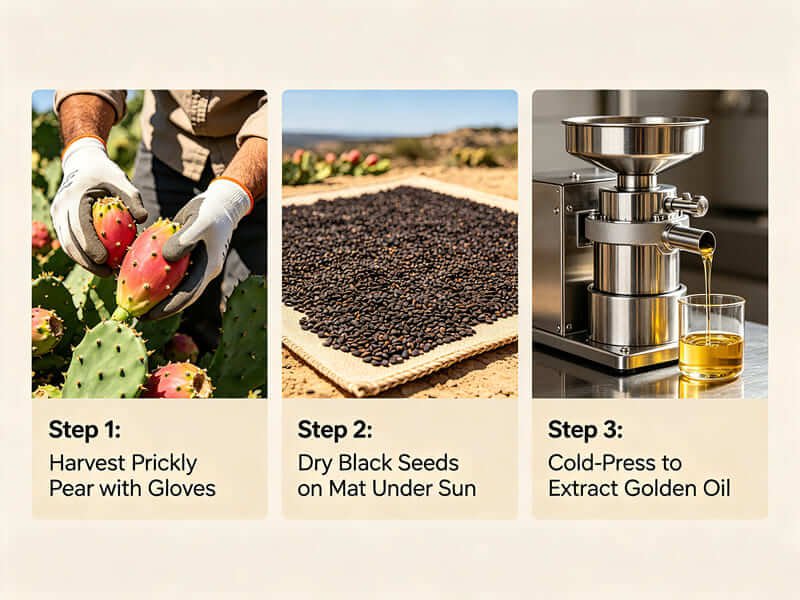
Why is Prickly Pear Seed Oil the most expensive carrier oil on the market? The answer is simple: Math and Labor. At Botanical Extract Factory, we often have to explain to our clients that there are no shortcuts to true quality. If a process is automated too much, the heat destroys the nutrients. If the seeds aren’t cleaned properly, the oil goes rancid. Let’s look at the incredible amount of work that goes into every single drop of oil.
Step 1: The Perilous Harvest
The journey begins in the blistering heat of the summer, usually between July and September. The cactus fruits, which can be green, yellow, orange, or a deep red, must be picked at the exact moment of ripeness. But picking them is dangerous work. The fruits are covered in “glochids”—tiny, hair-like thorns that are almost invisible. If they get into your skin, they cause intense itching and irritation. Because of this, the harvest is done entirely by hand, with workers using long tongs or wearing thick, protective leather gloves. Machines cannot do this work without damaging the delicate fruit and losing the seeds.
Step 2: Peeling and Seed Separation
Once the fruits are gathered, they are brought to the processing center. Each fruit must be peeled to reveal the sweet, pulpy interior. Inside a single fruit, there are usually between 150 and 300 seeds. These seeds are very tiny—about the size of a grain of sand—and they are incredibly hard. The seeds are manually separated from the pulp, which is usually saved to make juice, jams, or animal feed. This ensures a “zero-waste” cycle. The seeds are then washed multiple times with pure water to remove any remaining sugar or fruit fibers.
Step 3: The Slow Sun-Drying
This is a critical step that many cheap brands skip. The seeds must be completely dry before they can be pressed. In the traditional Moroccan method, the seeds are spread out on large mats and allowed to dry naturally under the Saharan sun. This process can take several days. Slow drying is essential because it allows the oil to “settle” inside the seed and prevents the growth of mold. If you use a high-heat mechanical dryer, you risk “pre-cooking” the oil and destroying the delicate antioxidants like Vitamin E.
Step 4: The First Cold Press
The final and most important step is the cold-pressing. Because the seeds are so hard, you need a high-pressure mechanical press to squeeze the oil out. However, “cold-pressed” means that the temperature during this process must never exceed 48.9°C (120°F). If the press moves too fast, the friction creates heat. That heat acts like a poison to the oil’s molecular structure. It only takes 36 hours of manual labor to produce 1 liter of oil because the press must run at a very slow speed. From that ton of fruit we mentioned earlier, we only get about 5% of the weight of the seeds back as pure oil. It is a slow, quiet, and expensive process, but it is the only way to ensure the oil is “alive” with nutrients.
Table 1: Resource and Yield Analysis
| Production Factor | Traditional Method Details | Yield Impact |
|---|---|---|
| Raw Fruit Required | 1,000 kg (1 Ton) | Produces approx. 1 Liter of oil |
| Seed Content | 18% – 20% of fruit weight | Approx. 30 kg of dried seeds |
| Oil Content per Seed | Only 3% – 5% | Extremely low yield compared to Argan (25%) |
| Manual Labor Time | 36 – 48 Hours | Reason for high market price |
| Temperature Control | Stay below 48.9°C | Preserves 100% of Vitamin E |
4. Molecular Science: Breaking Down the Desert Cocktail
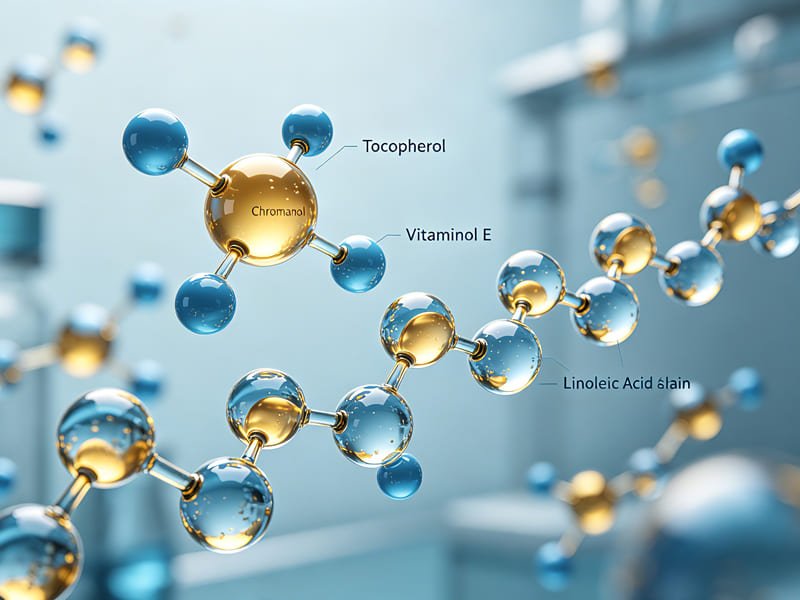
Skincare is often sold with flashy marketing, but at the end of the day, it is all about chemistry. Your skin responds to oils based on their fatty acid composition and their vitamin density. Prickly Pear Seed Oil is unique because it has a “fingerprint” unlike any other plant oil in existence. Let’s look under the scientific magnifying glass to see why this oil is so effective at the cellular level. To understand the oil, we must first understand the stratum corneum—the outermost layer of your skin. This layer works like a brick wall. The skin cells are the bricks, and the “mortar” holding them together is made of lipids (fats). Prickly Pear Seed Oil is the ultimate “repair kit” for this mortar.
The Linoleic Acid Powerhouse (Omega-6)
Prickly Pear Seed Oil has the highest concentration of unsaturated fatty acids of any plant oil on the market—about 88%! The most important of these is Linoleic Acid, which makes up about 60% to 70% of the oil. Linoleic acid is an “essential” fatty acid, meaning your body cannot make it on its own. In the skin, its job is to reinforce the moisture barrier. When you don’t have enough linoleic acid, your skin leaks water (a process called TEWL or Transepidermal Water Loss) and becomes dry, red, and irritated. Because this oil is so high in linoleic acid, it literally repairs the “cracks” in your skin’s brick wall, locking in hydration for up to five hours after just one application.
Vitamin E: The Free Radical Hunter
If there is one thing Prickly Pear is famous for, it is Vitamin E (Tocopherol). It contains nearly 1,000 mg/kg of Vitamin E, which is 150% more than argan oil. Vitamin E is a powerful antioxidant. Think of it like a security guard that travels around your skin cells, hunting down “free radicals.” Free radicals are unstable molecules caused by the sun, pollution, and stress that want to destroy your collagen. By neutralizing these free radicals, Vitamin E stops wrinkles from forming and helps your skin heal from old damage. It also acts as a natural preservative, giving the oil a shelf life of up to two years without needing any chemicals.
Vitamin K: The Brightening Secret
This is the secret weapon for anyone with dark under-eye circles. Vitamin K is a “vasoconstrictor” and blood coagulant. It helps strengthen the tiny, fragile blood vessels (capillaries) under the skin. Many times, dark circles are actually caused by these tiny vessels leaking a small amount of blood, which then looks purple or blue through the thin skin under the eye. Vitamin K helps to “seal” these vessels and clear away the discoloration. It is also an excellent healer for “spider veins” and redness on the cheeks.
Betalains: The Super Antioxidants
You may have heard that acai berries and blueberries are high in antioxidants. But they don’t even come close to the Prickly Pear. This cactus contains the highest level of Betalains of any known plant! There are 24 different types of betalains in this oil. These are super-powerful pigments that protect the plant cells from death. In human skin, betalains act as an anti-aging shield, reducing inflammation and helping your cells live longer and stay healthier. It is one of the main reasons Nigella Lawson called this oil her “face-saving magic.”
5. Faces of the Desert: Targeted Dermatological Benefits
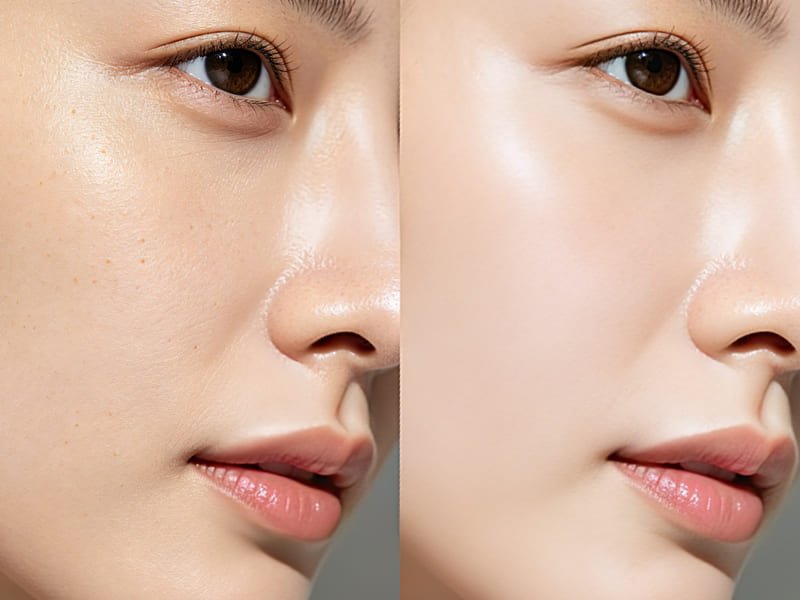
While the molecular science is impressive, most people just want to know: “What will it do for my face?” The answer is that Prickly Pear Seed Oil is a “one-size-fits-all” solution. Because it is non-comedogenic (meaning it won’t clog pores), it is safe for every skin type, from the oiliest teenager to the driest senior. Let’s look at how it helps specific concerns that we all face as we age.
Anti-Aging and Wrinkle Reduction
The number one reason people buy this oil is to fight the signs of aging. As we turn 30, our skin’s natural production of collagen and palmitic acid begins to drop. Palmitic acid is a fat that keeps skin feeling soft and supple. Prickly Pear Seed Oil contains a healthy dose of this acid to replace what time takes away. Combined with the amino acids that stimulate collagen, the oil creates a “tightening” effect. After 4 to 8 weeks of daily use, many people notice that their “laugh lines” and “crow’s feet” look much softer and less deep. It doesn’t just hide wrinkles; it gives your skin the ingredients it needs to fix them.
Acne Management: The Linoleic Secret
It sounds like a bad idea to put oil on a pimple, right? Actually, it is one of the smartest things you can do. Research has proven that people who suffer from acne have sebum (skin oil) that is deficient in linoleic acid. When your skin lacks linoleic acid, your sebum becomes thick, sticky, and hard. This “sticky” oil gets trapped in your pores, creating a perfect home for bacteria to grow. By applying Prickly Pear Seed Oil, which is 70% linoleic acid, you are thinning out your own skin’s oil. This allows your pores to breathe and stay clear. Plus, the oil has natural antibacterial properties that kill the bacteria responsible for those red, painful bumps.
Brightening and Evening Skin Tone
Hyperpigmentation is a fancy word for dark spots caused by the sun or old acne marks. Prickly Pear Seed Oil is a natural skin brightener. The combination of Vitamin C, Vitamin K, and antioxidants helps to slow down the production of melanin (the pigment that causes dark spots). Regularly using the oil helps to “fade” these spots over time, resulting in a more even, “porcelain” complexion. Because it has a very high “slip” and fast absorption, it is also a perfect base for makeup, giving you a dewy glow that looks natural and healthy.
6. Beyond the Face: A Total Body Transformation
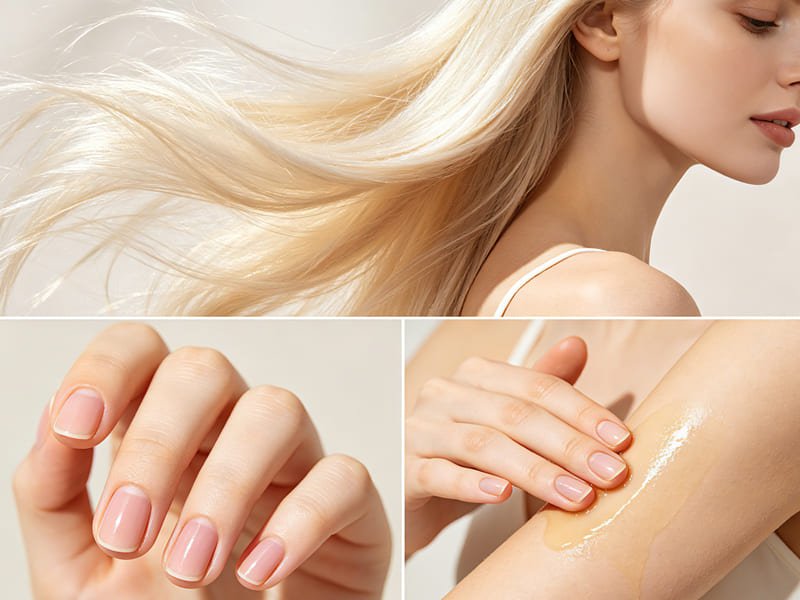
While most people first discover Prickly Pear Seed Oil as a face serum, its restorative powers are far too great to be limited to just one area. Because this oil is so bio-compatible—meaning its chemical structure is very similar to the natural oils your own body produces—it can be used from the top of your head to the tips of your toes. In the desert, where every resource is precious, nothing is wasted. We should treat this oil with the same respect, using its dense nutrient profile to heal and protect every inch of our skin, hair, and nails.
Revitalizing Dry and Damaged Hair
Your hair is constantly under attack. Whether it is the hot sun, the dry air from heaters, or the chemicals from hair dye, the “cuticle” (the outer layer) of your hair often gets cracked and rough. This is what causes frizz. Prickly Pear Seed Oil is like a “liquid bandage” for your hair. Because it contains high levels of Vitamin E and Omega-6, it penetrates deep into the hair shaft instead of just sitting on top like cheap silicones.
- The Split End Fix: If your ends look “crunchy” or broken, apply two drops of oil to your damp hair after a shower. It seals the hair scales together, making your hair look smooth and shiny instantly.
- The Scalp Stimulator: A healthy scalp is the only way to get healthy hair. The antioxidants in the oil help reduce inflammation on the scalp, which can actually help your hair follicles stay in the “growth phase” longer. This means thicker, fuller hair over time.
- Safe for All Textures: Whether you have fine, thin hair or thick, curly hair, this oil is light enough that it won’t weigh your style down or make it look greasy.
Nail and Cuticle Rescue
Have you ever had a painful “hangnail” or nails that peel like an onion? This is a sign that the protein structure of your nails is lacking moisture. Prickly Pear Seed Oil is uniquely rich in amino acids. These are the building blocks of protein. By massaging a single drop of oil into your cuticles every evening, you are feeding the “root” of the nail. This makes the new nail growth much tougher and more flexible. It also creates a protective barrier that stops water from making your nails brittle after you wash dishes or take a bath.
Healing Body Conditions: Eczema, Psoriasis, and Scars
The anti-inflammatory power of the Prickly Pear cactus is famous in folk medicine. Research has shown that the oil contains Phytosterols, which act like a natural, gentle version of a steroid cream. For people who suffer from red, itchy patches of eczema or the thick, scaly skin of psoriasis, this oil provides instant relief. It calms the “fire” in the skin and repairs the broken moisture barrier. Furthermore, because it speeds up cell turnover, it is a powerful tool for fading stretch marks after pregnancy or reducing the appearance of dark scars from old injuries. It helps the skin “remember” how to be smooth and even-toned.
7. The Battle of the Moroccan Oils: Prickly Pear vs. Argan
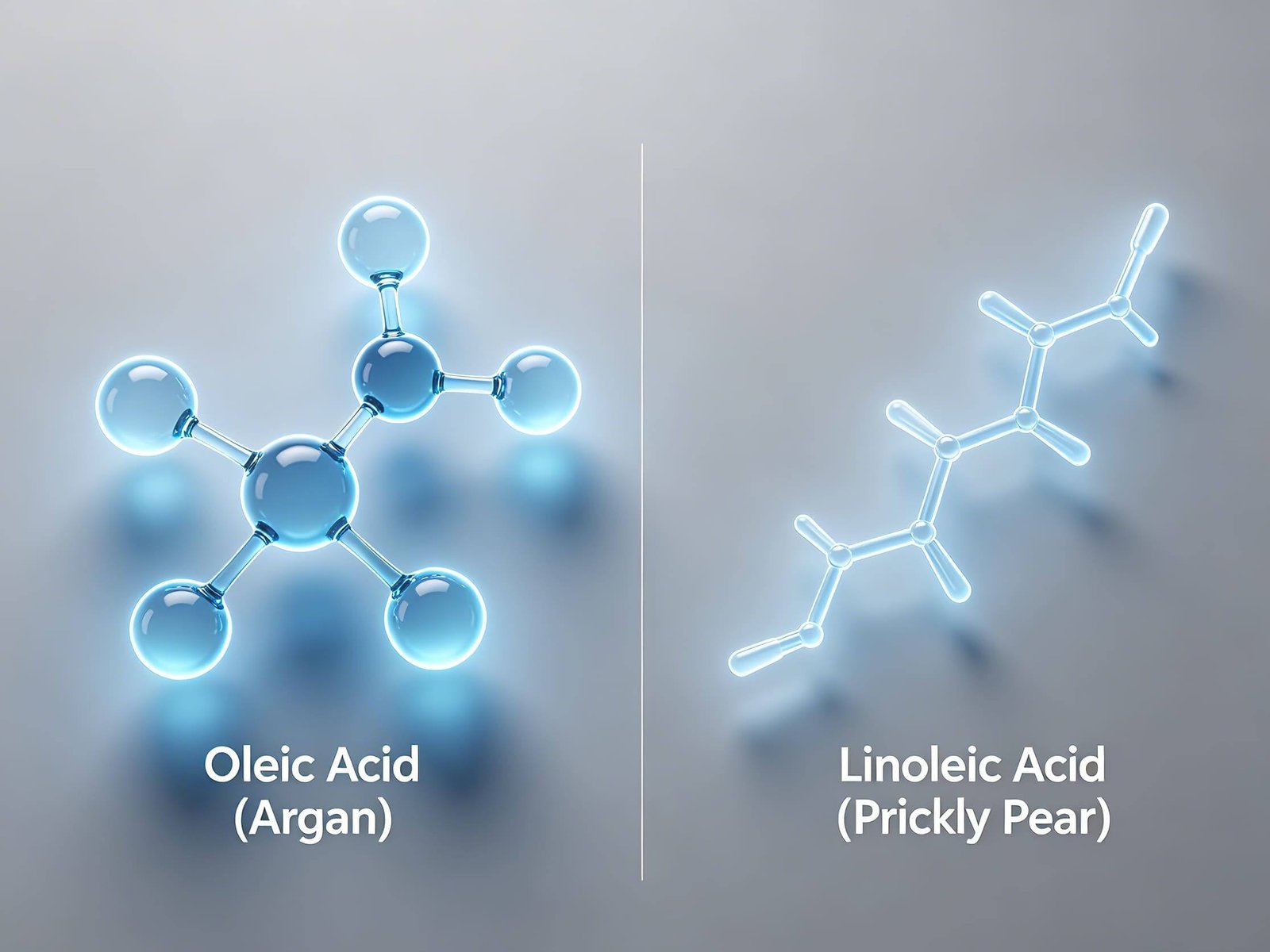
In the world of natural beauty, Morocco is the undisputed champion. For years, Argan Oil was the only name anyone knew. People called it “Liquid Gold.” But now, a new challenger has emerged. Prickly Pear Seed Oil is being called the “Crown Jewel.” To the average person, they might look similar—both are golden oils from Moroccan seeds. But at the molecular level, they are as different as a heavy winter coat and a light silk scarf. Understanding these differences is the secret to choosing the right oil for your specific skin needs. At Botanical Extract Factory, we believe in using the right tool for the right job.
Table 2: The Deep Molecular Comparison
| Nutrient / Feature | Argan Oil (The Repairer) | Prickly Pear Seed Oil (The Brightener) | Why It Matters |
|---|---|---|---|
| Vitamin E (Tocopherol) | Approx. 600 mg/kg | Approx. 1,000 mg/kg | PPSO offers 150% more protection from aging. |
| Main Fatty Acid | Oleic Acid (45-50%) | Linoleic Acid (60-70%) | Argan is heavy/rich; PPSO is light/dry. |
| Vitamin K | Only trace amounts | High Concentration | PPSO is much better for dark circles and spots. |
| Comedogenic Rating | 0 (Safe for all) | 0 (Safe for all) | Neither oil will clog your pores. |
| Skin Type Goal | Deep repair, very dry skin | Anti-aging, acne, brightening | Choose based on your top skin frustration. |
Which One Should You Choose?
The choice usually comes down to your skin type and your age.
- Choose Argan Oil if: Your skin is extremely dry, flaking, or “cracked.” If you are over age 60 and your skin feels “papery” or thin, the heavy Oleic acid in argan oil will provide the deep, long-lasting comfort you need. It is also a better choice if you are on a budget, as it is less expensive to produce.
- Choose Prickly Pear Seed Oil if: You are worried about wrinkles, dark under-eye circles, or “sun spots.” If you have combination or oily skin and you are afraid of feeling “greasy,” Prickly Pear is your best friend. It is also the superior choice for anyone dealing with active adult acne, as the high Linoleic content helps clear out pores.
The Power of Layering
You don’t actually have to choose just one! Professional facialists in Marrakesh and Paris often use both in a single routine. They apply Prickly Pear first because its molecules are smaller and can travel deeper into the skin to deliver antioxidants and Vitamin K. Then, they apply Argan oil second to act as a “seal” or a protective blanket that keeps all the nutrients locked inside. This layering technique gives you the ultimate “celebrity glow” while ensuring your skin stays repaired and hydrated all night long.
8. The Ritual: How to Use Prickly Pear Oil for Maximum Results
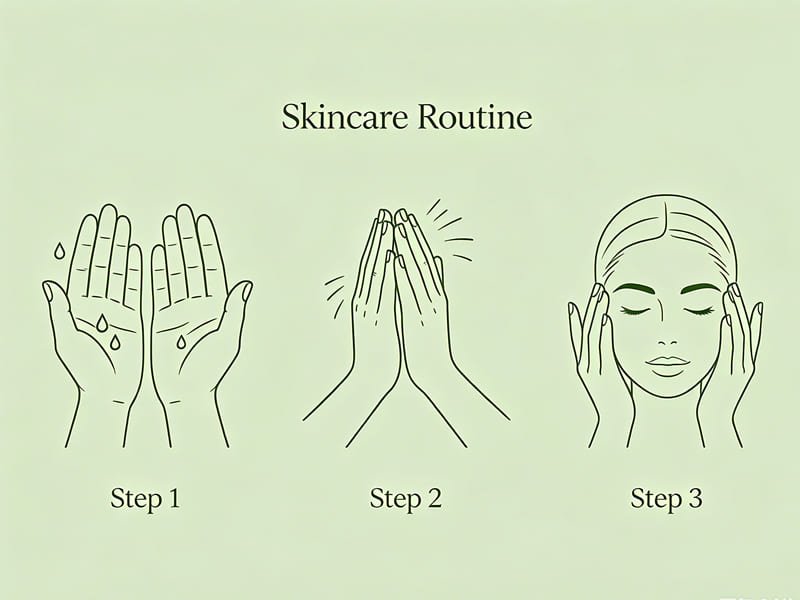
Using a luxury oil like Prickly Pear is not like putting on a regular lotion. Because it is so concentrated and expensive, the way you apply it determines how much value you get from every drop. In Morocco, skincare is seen as a time of quiet and respect for the body. By turning your application into a small ritual, you can actually increase the blood flow to your face, which helps the oil work even better. Here is the step-by-step guide to the perfect application.
The Evening Regeneration Routine
Your skin does most of its “homework” at night. While you sleep, your cells are busy repairing damage from the sun and building new collagen. This makes nighttime the most important time to use your oil.
- Cleanse Gently: Use a mild soap or milk cleanser to remove makeup and dirt. The oil works best on skin that is completely clean.
- The Moisture Secret: Do not dry your face completely! Leave it slightly damp. You can even spray a little Rose Water or Lavender mist. Water acts like a “train” that carries the oil molecules deeper and faster into your skin.
- 2-3 Drops is Plenty: Put a few drops into the palm of one hand. Rub your palms together for three seconds to warm the oil to your body temperature. This “wakes up” the fatty acids.
- The Press Technique: Instead of circular rubbing, gently press your palms onto your face. Hold for two seconds on your forehead, two seconds on your cheeks, and two seconds on your chin. The warmth and pressure help the oil sink into your pores without pulling on your skin.
Daytime Protection and Makeup
You can also use the oil in the morning as an “antioxidant shield” against pollution. If you live in a big city, the smoke and dust in the air create free radicals that age your skin. A single drop of Prickly Pear Seed Oil under your sunscreen acts like a barrier that neutralizes that damage. For makeup lovers, this oil is a secret primer. It smooths out dry patches so your foundation doesn’t look “cakey” or settle into fine lines. It gives you a natural, dewy finish that makes you look healthy and hydrated all day long.
Using PPSO as a Carrier Oil
Because Prickly Pear Seed Oil is so stable and absorbs so well, it is the world’s best “carrier oil.” If you have a favorite essential oil—like Rose for anti-aging or Lavender for calming—you can mix one drop of the essential oil with a teaspoon of Prickly Pear. The seed oil will “carry” the healing powers of the essential oil deep into your dermis while protecting your skin from the irritation that pure essential oils can sometimes cause.
9. The Buyer’s Defense: How to Spot Fakes and Ensure Quality
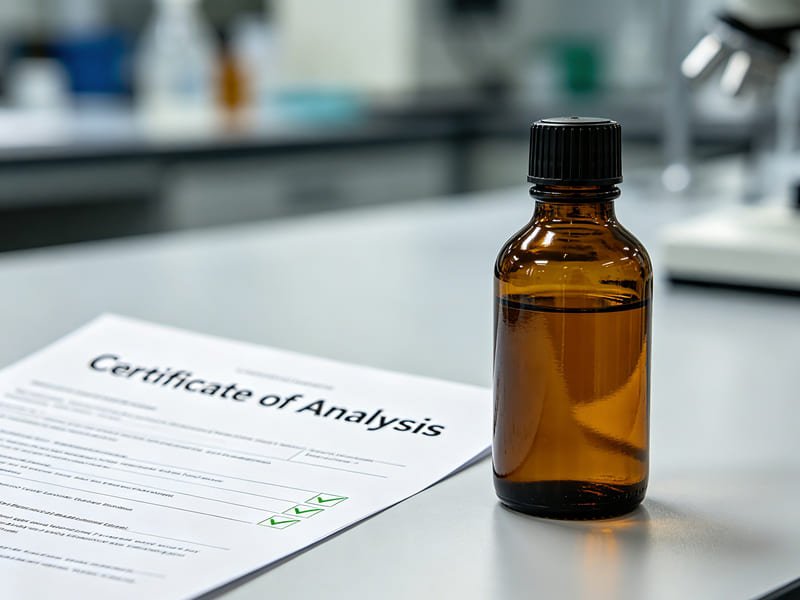
The high price of authentic Prickly Pear Seed Oil has unfortunately attracted many “snake oil” salesmen. Some companies take cheap oils like sunflower or grape seed, add a little bit of green dye or a “cactus” scent, and sell it for a high price. Others sell macerated oil (flowers soaked in oil) but call it “pure seed oil.” If you want to see real results, you must be a “detective” when you shop. Here is how to defend your skin and your wallet by choosing the right extract from a reliable source like Botanical Extract Factory.
The Price Rule
Skincare is one area where you usually get exactly what you pay for. Remember the math: one ton of fruit equals one liter of oil. This process is slow and the raw materials are expensive. If you see a 30ml (1 oz) bottle of “100% Pure Prickly Pear Oil” for less than $40, you should be very suspicious. It is likely diluted with a cheaper oil. High-quality, pure Moroccan or Tunisian oil usually retails between $60 and $150 per ounce. It is an investment, but because you only use 2 drops a day, a small bottle will last you for 3 to 4 months.
The Sensory Test: Scent and Color
Your nose and your eyes are your best tools for spotting a fake.
- What it should smell like: Real cold-pressed oil has a natural, earthy, and slightly nutty scent. Some people think it smells like fresh hay or a dry desert garden. It should NOT smell like “fruit,” “candy,” or “flowers.” If it smells sweet, they have added artificial fragrance. If it smells like “old fish,” it is rancid.
- What it should look like: Pure oil should be a light golden-yellow or a very soft, pale greenish-gold. If the oil is clear as water, it has been heavily refined and bleached with chemicals. If it is dark brown, it has oxidized and lost its power.
- The Texture: When you rub a drop between your fingers, it should feel silky but “dry.” It should disappear into your skin within 30 seconds. If it stays greasy and sticky on top of your skin for ten minutes, it is likely a different, heavier oil mixed in.
Label Literacy and Certifications
Always flip the bottle over and read the fine print. The only ingredient listed should be Opuntia Ficus-Indica Seed Oil. If the label says “Extract” or “Infusion,” it is not the pure oil. Also, look for organic certifications like USDA Organic or ECOCERT. These organizations visit the farms to make sure no dangerous pesticides or chemicals were used. Finally, a truly professional company will always be able to provide a COA (Certificate of Analysis). This is a lab report that proves the oil has the correct levels of Vitamin E and fatty acids. At Botanical Extract Factory, transparency is our core value—we want you to see the science behind our glow.
Packaging: The Miron Glass Standard
Natural oils are “alive.” Light and heat are their enemies. If you see Prickly Pear Seed Oil being sold in a clear plastic bottle, do not buy it! The light from the store will destroy the Vitamin E within weeks. The best brands use violet Miron glass or very dark amber glass. These special bottles block out the harmful rays of light while letting the beneficial rays in, keeping the oil fresh and potent for up to two years. Once you bring it home, keep it in a cool, dark drawer or even the refrigerator during the hot summer months.
10. The Green Hero: Sustainability and Environment
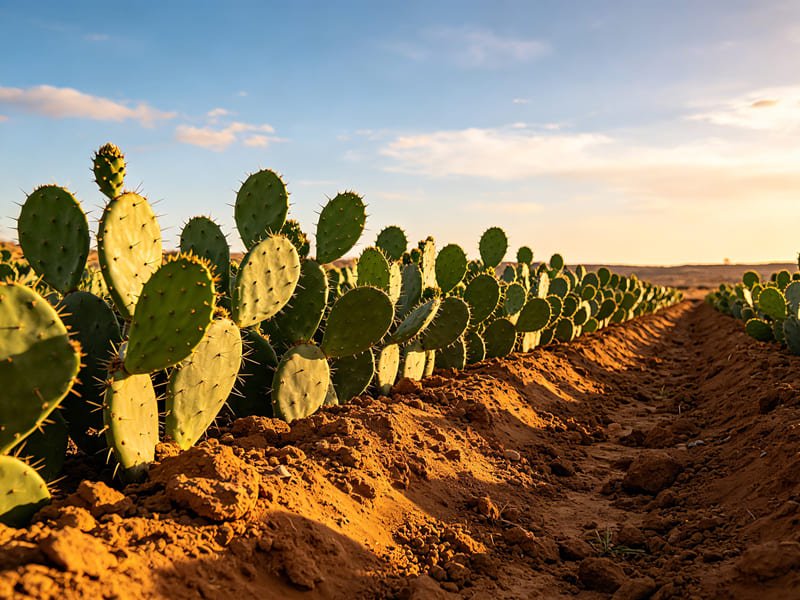
In a world where the beauty industry is often criticized for hurting the planet (think of the palm oil that destroys rain forests), Prickly Pear Seed Oil is a breath of fresh air. It is one of the most sustainable and “earth-friendly” ingredients in existence. Choosing this oil is not just a win for your skin; it is a vote for a healthier planet. Here is why the Prickly Pear cactus is a “green hero.”
The Drought-Resistant Miracle
As the world gets warmer and water becomes more scarce, we need plants that can survive without help. A Prickly Pear cactus needs 80% less water than most traditional crops. It thrives on “marginal land”—this is land that is too dry or too poor for food crops like wheat or corn. By growing cacti, farmers are using land that would otherwise be useless. In places like Morocco and Tunisia, these cacti act as a natural wall that stops the desert from growing and taking over small villages. This is called “anti-desertification,” and it is vital for the survival of many communities.
A True Zero-Waste Economy
The production of Prickly Pear Seed Oil is a perfect “circular” process. Every part of the plant is used, and nothing is thrown into a landfill.
- The Fruit: People eat it fresh, or it is turned into sweet juices and jams that are sold in markets.
- The Paddles (Nopales): These are used as a highly nutritious vegetable in Mexican cooking, full of fiber and minerals.
- The Seeds: These are the “waste” from the juice industry that are saved and pressed to make luxury oil.
- The Mash: Even the leftover crushed seeds after pressing are used as high-protein organic feed for goats and sheep.
This zero-waste cycle means the “carbon footprint” of your facial oil is incredibly low compared to synthetic creams made in chemical factories.
Social Impact and Women’s Empowerment
Sustainability is also about people. In the rural regions of North Africa, the Prickly Pear industry has completely changed the social landscape. Most of the harvesting and seed separation is done by women’s cooperatives. Before this oil became famous, these women had very few ways to earn money. Today, they are business owners and community leaders. They earn a “Fair Trade” wage that allows them to pay for healthcare and education for their children. When you buy authentic oil, you are directly investing in the future of these families. It is beauty that truly comes from the heart.
11. Internal Health: The Superfood Inside the Seeds
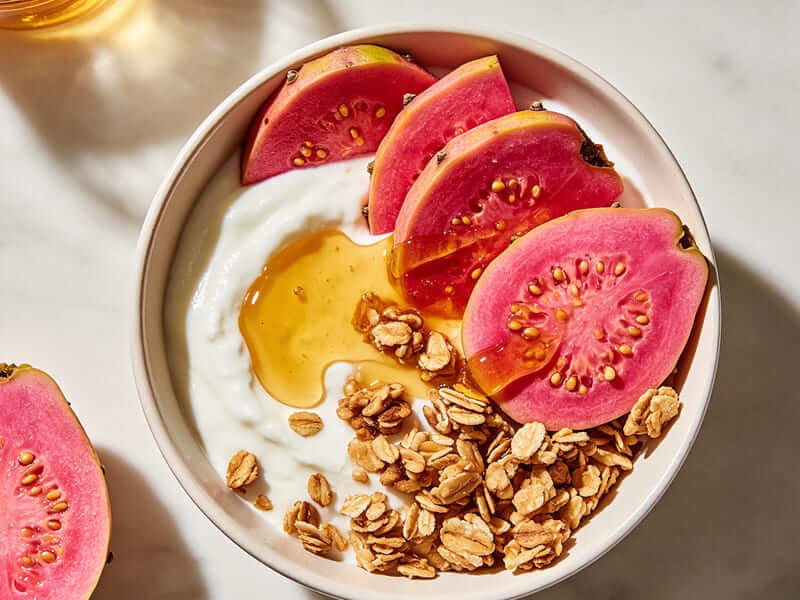
While we spend a lot of time talking about how to put this oil on our bodies, it is just as important to talk about what happens when we put it in our bodies. In many cultures, the Prickly Pear is not a beauty product; it is a medicine. Modern science is now starting to prove that the “internal” health benefits of this cactus are just as impressive as the external ones. It is a true holistic superfood.
The Diabetes Defense
One of the most researched benefits of the Prickly Pear is its ability to help manage Type 2 Diabetes. The plant contains high levels of pectin and fiber, which act like a “speed bump” for sugar. When you eat the fruit or take the seed extracts, your body absorbs sugar more slowly in the gut. This prevents the dangerous “spikes” in blood sugar that can damage your organs. In some studies, patients who consumed cactus extracts daily saw a significant drop in their fasting blood glucose levels. It is nature’s way of helping the body handle the modern diet.
Heart and Cholesterol Support
Inside your body, the Phytosterols in the Prickly Pear act like tiny sponges that soak up “bad” cholesterol (LDL) before it can enter your bloodstream. By lowering your cholesterol and reducing triglycerides (fats in the blood), the cactus helps keep your arteries clear and soft. This reduces the risk of heart attacks and high blood pressure. It is essentially an “internal tune-up” for your cardiovascular system.
Boosting the Immune System
The Prickly Pear fruit is one of the highest sources of Vitamin C in the desert. Vitamin C is the fuel for your white blood cells, which are the soldiers of your immune system. Furthermore, the Betalains we mentioned earlier are rare antioxidants that help your cells defend themselves against viruses and infections. Whether you drink the juice, eat the fruit, or use a high-quality supplement extract, you are giving your body the tools it needs to fight off sickness and stay energetic.
Comprehensive FAQ
1. Can I use Prickly Pear Seed Oil if I have very oily skin?
Yes, absolutely! It sounds counter-intuitive, but oily skin is often a sign of “thirst.” When your skin lacks Linoleic acid, it produces thick, sticky sebum to compensate. By giving your skin the light Linoleic acid found in Prickly Pear oil, your skin “relaxes” and stops over-producing its own grease. Most people with oily skin notice a matte, balanced finish after just one week of use.
2. Is it safe to use around my eyes?
It is one of the best things you can put near your eyes! Because it has a comedogenic rating of 0, it won’t cause “milia” (those tiny white bumps people get from heavy eye creams). The Vitamin K and Vitamin E work together to banish dark shadows and firm up the “crepey” skin under the eyes. Just be careful not to get the oil directly in your eye, as it can cause temporary blurry vision.
3. How does it compare to Rosehip Oil?
Both are amazing, but they have different strengths. Rosehip oil is high in Vitamin A (retinol), which is great for cell turnover and healing scars. Prickly Pear Seed Oil is much higher in Vitamin E and Vitamin K, making it superior for anti-aging, brightening, and under-eye circles. Many people use Rosehip for acne scars and Prickly Pear for wrinkles.
4. Why does my oil have a greenish tint?
That is a sign of authenticity! Real, unrefined, cold-pressed oil often keeps a slight greenish or golden-yellow color from the natural chlorophyll and carotenoids in the seeds. If your oil is as clear as water, it has been heavily refined and stripped of its natural medicine. Embrace the color of the desert!
5. Is it safe for babies or children?
Yes, it is extremely gentle. In many cultures, the oil is used to soothe diaper rash or dry “cradle cap” on a baby’s head. It is 100% plant-based and contains no chemicals, so it is much safer than many store-bought baby lotions. However, always do a small “patch test” on the baby’s leg first to ensure they don’t have a rare allergy to the cactus.
6. Can I use it if I’m also using Retinol?
Yes, it is actually a “plays well with others” ingredient. Retinol can often make the skin dry, red, and peeling. Applying Prickly Pear Seed Oil over your Retinol helps soothe that irritation and repairs the barrier so you get all the benefits of the Retinol without the “ugly” side effects.
7. How long will a 15ml bottle last?
Because you only need 2 or 3 drops per application, a tiny 15ml bottle will usually last about 2 months of daily use. It is a very “economical” luxury product because a little bit goes a very long way.
8. What is the PAO symbol on my bottle?
Look for a small icon that looks like an open jar with a number inside (like “6M” or “12M”). This tells you how many months the oil stays at peak power after you open it. Because our oil is so high in Vitamin E (a natural preservative), it usually stays fresh for 12 to 24 months if stored away from sunlight.
Conclusion: A Desert Legacy for a Modern World
In our journey through this 5,000-word guide, we have seen that the smallest things in the world—tiny seeds from a spiny cactus—can hold the greatest power. Prickly Pear Seed Oil is more than just a skincare trend; it is a bridge between ancient traditions and modern science. It is a rare, concentrated miracle that manages to be the world’s most powerful anti-aging treatment while remaining 100% natural and incredibly kind to our planet. From the grueling 36-hour labor of Moroccan women’s cooperatives to the molecular precision of the “brick-and-mortar” repair of your skin, every drop of this oil tells a story of resilience and quality.
The main takeaway is simple: your skin deserves the best, and nature has already provided it. You don’t need synthetic chemicals to have a radiant, youthful glow. You just need the pure, concentrated energy of the desert. At Botanical Extract Factory, we are dedicated to bringing that energy to you in its most authentic form. We spend our lives ensuring that every bottle we produce is cold-pressed, organic, and full of the “magic” that makes this oil so legendary. Whether you are building a new luxury beauty brand or just want to treat your own face with the respect it deserves, we invite you to join the “Liquid Gold” revolution. The desert has guarded these secrets for centuries—now, it is time for your beauty to bloom.