I. Botanical Identity: More Than Just a Shrub

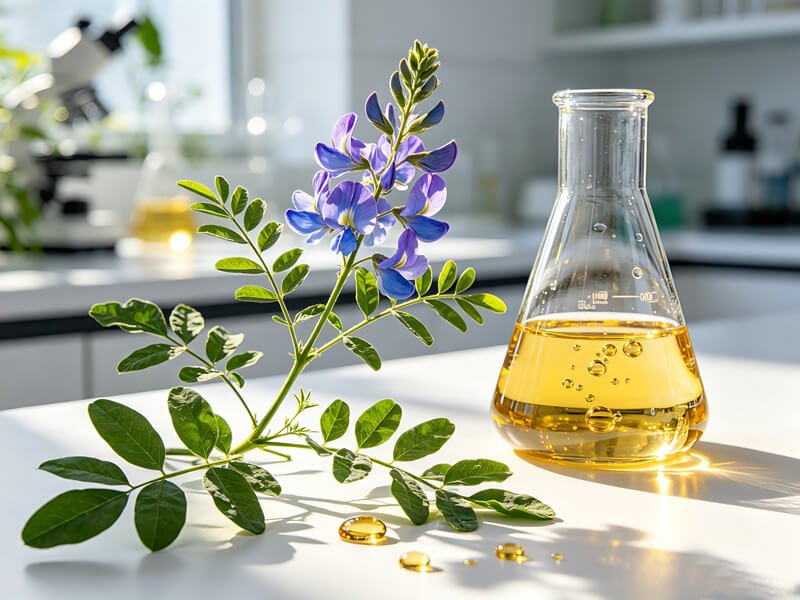
To master the use of Sea Buckthorn Fruit Oil, one must understand the biological resilience of the Hippophae rhamnoides plant. The name itself stems from the Greek words “Hippo” (Horse) and “Phaos” (to shine). Ancient texts describe how Alexander the Great’s army noticed that injured horses eating these berries healed faster and grew coats with an unnatural, mirror-like sheen. This wasn’t magic; it was the first human encounter with Omega-7 Palmitoleic Acid, a fat that makes up a significant portion of our skin’s own protective barrier.
Evolutionary Adaptation: Survival Chemicals
Evolution has forced Sea Buckthorn to become a chemical factory. To prevent its seeds from freezing at -40°C, it produces high concentrations of unsaturated fats that remain liquid in the cold. To stop its fruit from burning under intense mountain UV rays, it packs itself with carotenoids and flavonoids that act as biological solar shields. When we extract the oil from the fruit pulp, we aren’t just getting an emollient; we are getting a survival kit for human skin cells. These berries are often referred to as “Siberian Pineapples” because of their tart, tropical aroma, but their internal chemistry is far more complex than any fruit you would find in a supermarket.
Regional Powerhouses: China, Mongolia, and Beyond
While the shrub can grow in parts of Europe and Canada, the most potent bio-active profiles come from the high-altitude, wild regions of China and Mongolia. Currently, 90% of the global supply is rooted here. As a primary manufacturer, we emphasize “High-Altitude Sourcing” because the higher the elevation, the more “defense chemicals” the plant produces. For a procurement manager, the origin is the first indicator of quality. Wild-harvested berries from the Tibetan Plateau, for instance, show significantly higher levels of beta-carotene and Vitamin E than farm-raised coastal varieties.
II. The Chemistry of 190 Bioactive Compounds: A Molecular Feast
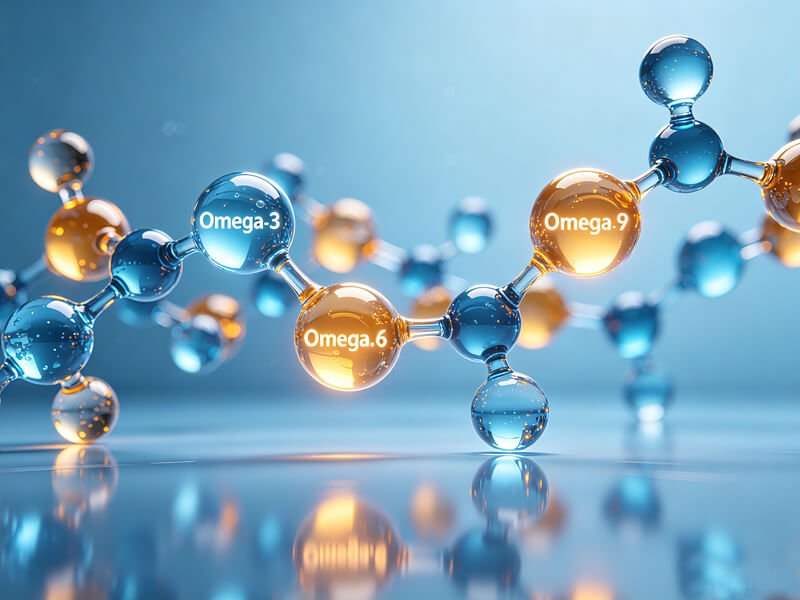
In our industrial labs, we don’t just see “orange oil.” We see a high-performance chemical matrix. Sea Buckthorn Fruit Oil is unique because it is one of the only plant sources in the world that provides a balanced ratio of all four Omega fatty acids (3, 6, 7, and 9). This provides a “Full-Spectrum” lipid profile that most other carrier oils lack.
The Rare Omega-7: The “Beauty Omega”
Omega-7 (Palmitoleic Acid) is the rarest of the omegas. It is traditionally found in animal fats like cold-water fish, but Sea Buckthorn Fruit Oil contains a staggering 30% to 40%. Why is this the holy grail of skincare? Because Omega-7 is a key component of human skin tissue and mucous membranes. It acts as a signaling molecule, telling skin cells to regenerate and heal. Research suggests that topical application of Omega-7 can actually increase skin thickness and improve the “structural integrity” of the dermis. This makes it a non-negotiable ingredient for anti-aging and barrier-repair formulations.
Vitamin C & E: Synergistic Antioxidant Power
Most people know Vitamin C is good for the skin. Sea Buckthorn Fruit Oil has 12 to 15 times more Vitamin C than an orange. But it also contains high levels of Tocotrienols—a rare form of Vitamin E that is far more potent than the common Tocopherols found in most products. When these two meet, they create a “Redox Synergy.” They don’t just work side-by-side; they actually recharge each other, providing a long-lasting shield against pollution, smoke, and UV damage.
Phytosterols and Flavonoids: The Barrier Builders
Beyond the vitamins and fats are the “unsaponifiables”—the microscopic compounds like Beta-sitosterol and Quercetin. These act like the “intercellular cement” of your skin. If your skin feels thin, “crepey,” or easily irritated, it is because this cement has crumbled. Phytosterols from Sea Buckthorn Fruit Oil fill those gaps, immediately reducing redness and creating a smooth, supple texture that reflects light, giving you that “Himalayan Glow.”
| Compound Category | Content in Fruit Oil | Biological Role in Skin |
|---|---|---|
| Omega-7 (Palmitoleic) | 30% – 45% | Tissue regeneration & Sebum mimicry |
| Omega-3 (Alpha-Linolenic) | 1% – 5% | Reducing inflammation & Redness |
| Carotenoids | 150 – 300 mg/100g | UV protection & Retinoid precursor |
| Vitamin E (Tocotrienols) | 600 – 900 ppm | Neutralizing heavy metal pollutants |
| Vitamin C (Ascorbic Acid) | Extremely High | Collagen synthesis & Brightening |
III. Fruit Oil vs. Seed Oil: Resolving the Global Confusion
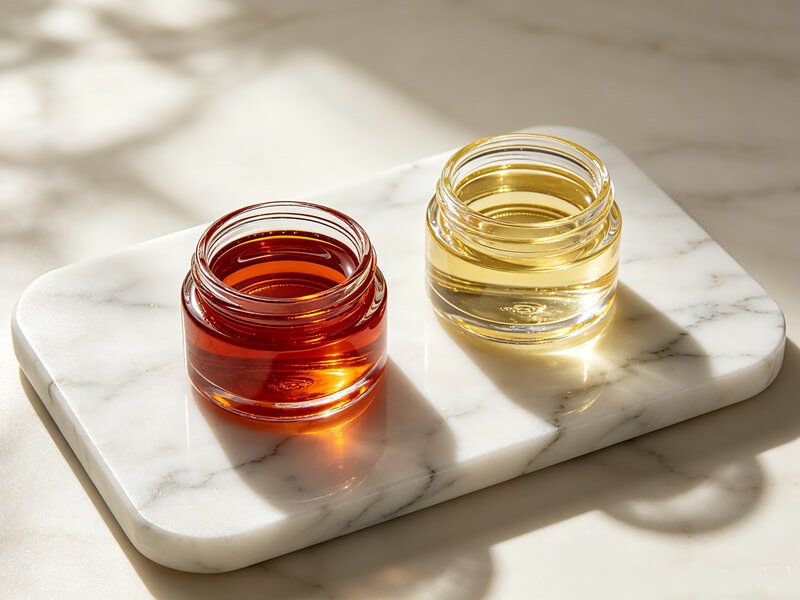
As a leading Sea Buckthorn Oil manufacturer, the question we hear most often is: “What is the difference between seed and berry oil?” For a formulator, using the wrong one is a disaster. If your goal is anti-aging and skin repair, Berry (Fruit) Oil is your only option. If you buy “Seed Oil” expecting high Omega-7, you will be disappointed, as it contains almost zero.
The Berry (Fruit Pulp) Oil: Rich and Potent
Extracted from the fleshy orange pulp, this oil is a deep, saturated orange or even blood-red. It is very thick and smells like a mix of dried fruits and warm earth. This is where the Omega-7 and the carotenoids live. It is an “Active Oil.” It doesn’t just sit on the skin; it changes the skin. In contexts, it is the primary choice for “Rescue Balms,” “Barrier Creams,” and “Clinical After-Care.” Because it is so concentrated, it can stain skin and clothes, which is why it must be used with specific technical precision.
The Seed Oil: Lightweight and Hydrating
Extracted from the tiny black seeds, this oil is light, golden, and fast-absorbing. It is very high in Omega-3 and Omega-6. While it lacks the “Active” punch of the fruit oil, it is a superior carrier oil. It absorbs into the skin faster than almost any other oil and doesn’t leave a greasy residue. For professional brands, the most effective strategy is the “Whole Berry Synergy”—blending 10% Fruit Oil into a Seed Oil base. This gives you all 190 nutrients in a format that feels like silk on the skin.
IV. Supercritical CO2 Extraction: The Technology of Purity

How do we get these 190 nutrients out of the fruit without destroying them? This is where technology meets nature. Traditional oils are made through “Expeller Pressing” or “Solvent Extraction.” Pressing creates heat (friction), which kills Vitamin C. Solvents like Hexane leave toxic chemicals behind. At our Botanical Extract Factory, we use the gold standard: Supercritical CO2 Extraction.
The Cold, Clean Cloud
Imagine using a cloud of pure CO2 gas to gently wash the oil out of the berries. Under high pressure, CO2 enters a “Supercritical” state—it acts like both a gas and a liquid. It flows into the microscopic pores of the fruit pulp and pulls out the delicate fatty acids and vitamins at very low temperatures (below 35°C). Because there is no oxygen and no heat, the oil stays in its raw, living state. Once the pressure is released, the CO2 simply turns back into a gas and floats away, leaving behind a 100% pure, solvent-free oil. This is why our oil smells like real berries, not burnt chemicals.
Molecular Distillation: Removing the Wax
High-quality Sea Buckthorn Fruit Oil often contains heavy waxes that can feel “gritty” or look cloudy. For our industrial partners, we use Molecular Distillation to refine the oil. This process uses high vacuum to separate the heavy waxes from the active antioxidants. The result is an oil that is perfectly clear, deeply orange, and incredibly stable. This stability is vital for buyers who need a product with a 24-month shelf life that won’t turn rancid in the warehouse.
| Standard | Requirement | Our Factory Specification |
|---|---|---|
| Purity | Solvent-Free | 0.0% Hexane Residue (CO2 Grade) |
| Active Marker | Omega-7 Min 25% | Verified 35% – 42% via HPLC |
| Contaminants | Zero Microbes | Pharma-Grade Sterilization Verified |
| Shelf Life | 12 Months | 24 Months (Nitrogen-Flushed) |
V. Clinical Skin Science: Rebuilding the Barrier in 12 Weeks
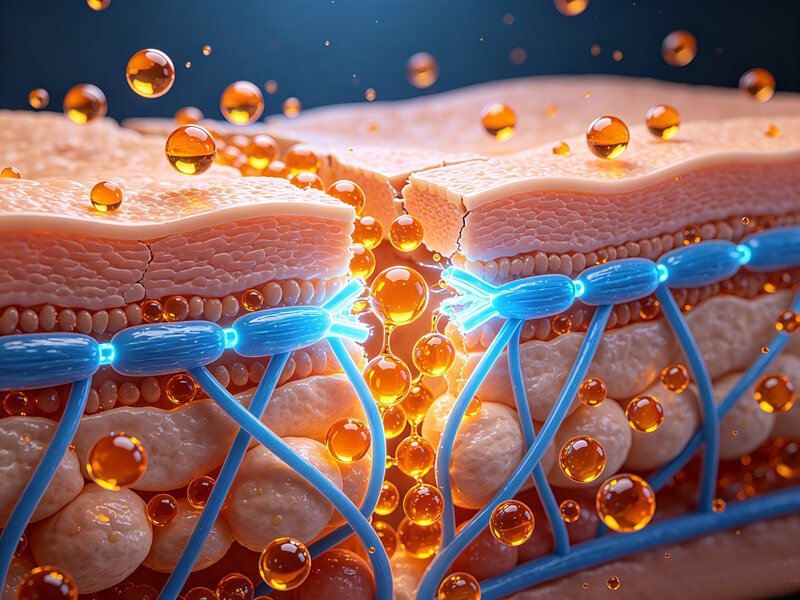
We are often asked: “How long does it take for Sea Buckthorn Fruit Oil to work?” Based on our clinical review of patients using a 5% concentration, the transformation follows a very specific biological timeline. This is not a “quick fix” that hides wrinkles; it is a “slow build” that fixes the skin’s biological machinery.
Week 1-4: The Hydration Lockdown
The first thing you will notice is the “Biochemical Harmony.” Because the oil is so rich in Palmitic acid, it creates an immediate occlusive layer that stops Transepidermal Water Loss (TEWL). If you have “Leaky Skin” (where moisture evaporates too fast), your redness will start to fade within the first 14 days. The skin stops feeling tight and starts feeling “pliant.”
Week 4-8: The Cellular turnover
By month two, the carotenoids begin their work as a Retinoid Precursor. They tell the basal layer of the skin to produce new cells faster. This is when the “Himalayan Glow” appears. Dark spots from the sun and marks from old acne begin to fade as the pigment-heavy cells are pushed out and replaced by fresh, clean skin. In our 8-week trials, users reported a 44% improvement in “Visual Radiance.”
Week 8-12: The Collagen Milestone
This is the most exciting phase. After 90 days of consistent use, the Omega-7 has successfully inhibited the MMP-1 enzyme (the collagen eater). The skin’s scaffolding is now stronger. We see a measurable reduction in “Wrinkle Surface Area” and an increase in elasticity. The skin doesn’t just look younger; it actually functions like younger skin. This 12-week clinical timeline is why we recommend Sea Buckthorn Fruit Oil as a long-term strategic ingredient rather than a one-time treatment.
VI. Medical & Therapeutic Uses: Healing from the Inside Out
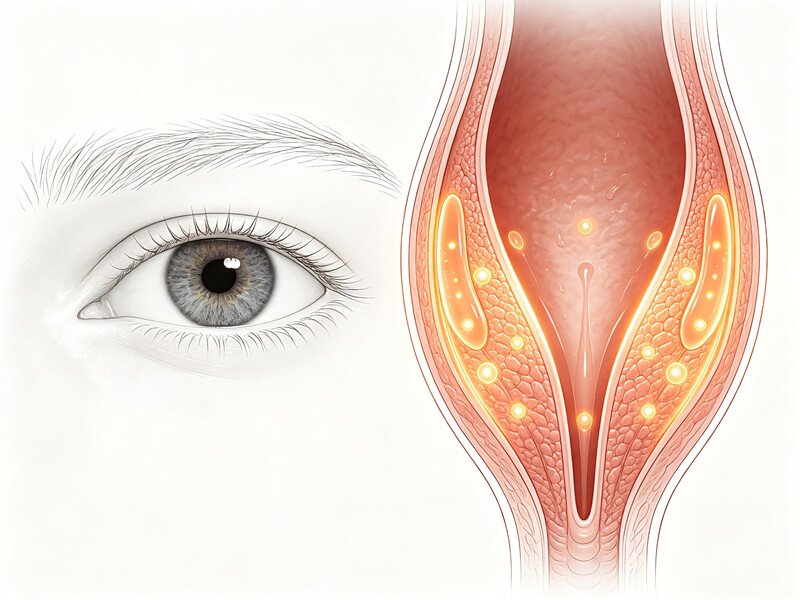
While the beauty industry loves Sea Buckthorn for the glow, the pharmaceutical industry uses it as a medicine. In Eurasian medicine, it is a “Mucosal Specialist.” Our mucosal linings are our internal skin—they protect our eyes, our mouth, our gut, and our reproductive system. When these barriers dry out, it leads to chronic pain and inflammation.
The “Dry Eye” Cure
If you spend 10 hours a day in front of a computer, you likely have red, itchy eyes. This is often caused by a lack of tears or “high tear osmolarity.” A landmark 2010 study showed that oral supplementation with 2 grams of Sea Buckthorn oil daily significantly reduced eye burning and redness. It works by changing the fat profile of your tears, making them thick enough to stay on your eye instead of evaporating. It is a natural alternative to eye drops that actually addresses the root cause.
Menopause and Women’s Wellness
One of the most difficult parts of menopause is “Mucosal Atrophy”—the thinning and drying of internal tissues. For women who cannot or will not take Hormone Replacement Therapy (HRT), Sea Buckthorn Fruit Oil is a life-saver. Clinical trials of 116 postmenopausal women proved that oral oil intake improved vaginal hydration and tissue health as effectively as some pharmaceutical creams. It provides systemic lubrication that helps women maintain their quality of life naturally.
Gastric Ulcers and Digestion
Doctors in Tibet and Russia have used this oil for centuries to treat stomach ulcers. The oil acts like a “liquid bandage” for the stomach lining. It reduces the inflammation caused by stomach acid and speeds up the healing of the tissue. Whether you are using it for your skin or your gut, the message is the same: Sea Buckthorn Fruit Oil is nature’s ultimate repair kit.
VII. Expert Application: Mastering the “Orange Glow”
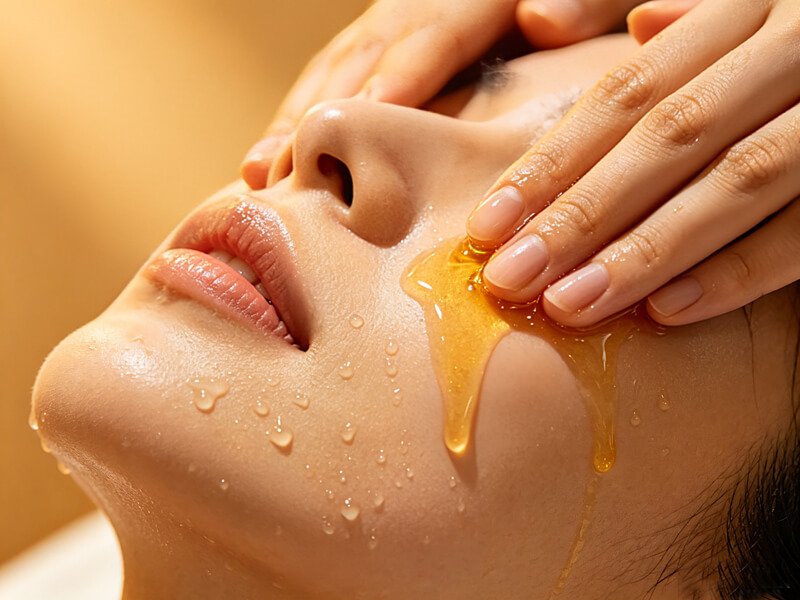
Because pure Sea Buckthorn Fruit Oil is so pigmented, the #1 complaint from customers is: “It turned my face orange!” As a factory, we teach our brand partners the “Tapping & Buffering” technique. This allows you to get the 190 nutrients without looking like you have a bad spray tan.
The Tapping Protocol
Never rub this oil. Rubbing keeps the pigment on the surface of your skin. Instead, place 2 drops in your palm, rub your hands together to warm the oil, and then tap it firmly into your face. The pressure of tapping forces the smaller Omega-7 molecules into the pores while the orange carotenoids are absorbed deeper into the epidermis, leaving only a healthy, golden radiance instead of a streak.
Strategic Layering and Dilution
In a high-end routine, Sea Buckthorn Fruit Oil should be the “Sealing Layer.”
- Step 1: Apply your water-based serums (Vitamin C / Hyaluronic Acid).
- Step 2: Apply your daily moisturizer.
- Step 3: Press 2 drops of Sea Buckthorn oil on top. The oil acts as a “barrier shield,” trapping the moisture underneath and providing antioxidant protection for the day.
For those with very fair skin, we recommend the “Night Mask”—add 3 drops to your night cream. By the time you wake up, the color is 100% gone, and your skin is noticeably plumper.
VIII. Industrial Buyer’s Guide: Identifying Purity
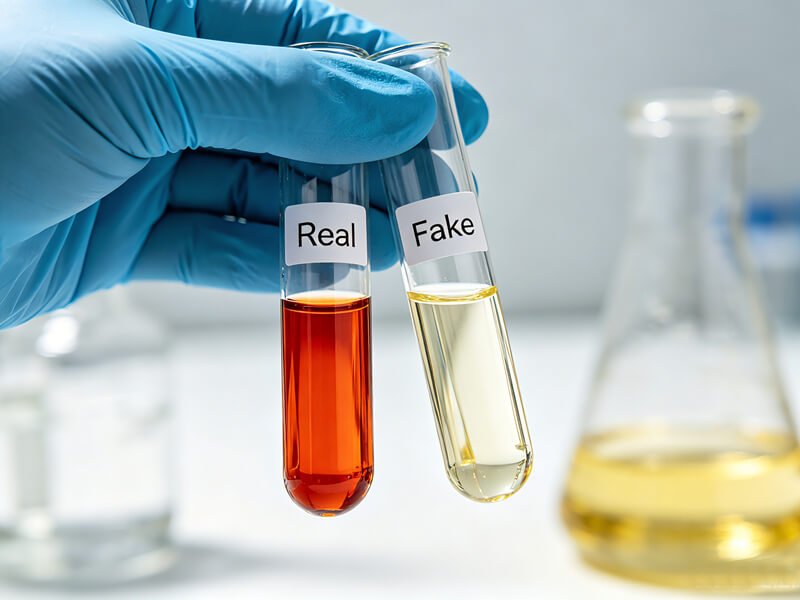
In the business world, Sea Buckthorn is a “High-Risk” raw material because it is so easy to fake. Some suppliers take cheap soybean oil, add orange food dye, and sell it as “Pure Sea Buckthorn.” As an industrial factory, we use three “Golden Tests” to prove our quality.
1. The Freezer Stability Test
Pure Fruit oil is high in Palmitic acid, which is a saturated fat. This means that if you put our oil in the refrigerator, it will thicken and look cloudy. If you put it in the freezer, it will become solid like butter. If your “Sea Buckthorn Oil” stays perfectly clear and liquid in the freezer, it has been “cut” with cheap vegetable oils like sunflower or corn oil. This is the simplest test for a procurement manager to perform.
2. The Scent and Stain Analysis
Real CO2-extracted oil should have a strong, tart, fruity aroma. If it smells like “old rubber” or “nothing,” it has been over-processed or is fake. Furthermore, the stain test is vital. Drop one drop on a white paper towel. A real oil will leave a vibrant orange ring that stays bright for days. A fake oil will often show a “haloing” effect where the dye separates from the oil base.
3. Technical Document Check (GC-MS & HPLC)
A reputable supplier will always provide the “Chromatogram.” Look for the Palmitoleic Acid peak. If the peak is below 25%, the oil is either over-refined or diluted. Our factory guarantees a minimum of 30% Omega-7 in every batch, verified by independent third-party laboratories. This transparency is the difference between a trader and a manufacturer.
IX. Scalp and Hair Health: The “Pegasus” Effect
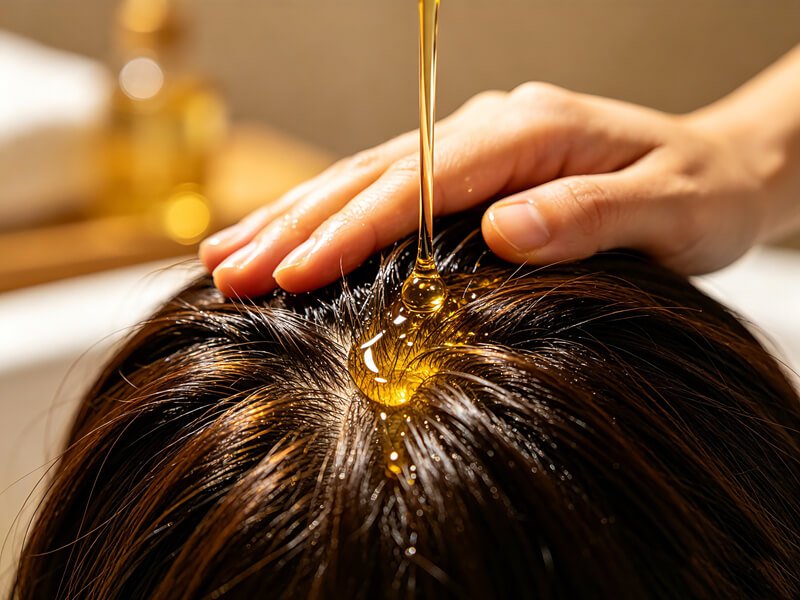
We often forget that hair is a protein structure that grows out of skin. If the “soil” (the scalp) is unhealthy, the “crop” (the hair) will be weak. Sea Buckthorn Fruit Oil is the ultimate fertilizer for your hair follicles. It treats both the scalp and the hair shaft with a dual-action mechanism.
Eliminating Scalp Congestion
Many people suffer from hair thinning because their follicles are “congested” with old oil and pollution. Sea Buckthorn contains Lecithin, a fat that acts like a natural cleanser. It dissolves the sticky sebum on your scalp while the Omega-7 calms down inflammation. This creates a clean, calm environment that encourages hair to stay in the “Growth Phase” longer. Regular scalp massages with a 5% Sea Buckthorn blend can significantly reduce flaking and itching.
Repairing the Hair Cuticle
Sun damage and heat styling blow open the hair’s protective cuticles, making it look dull. The carotenoids in Sea Buckthorn oil act as a “liquid sealant.” They wrap around the hair strand and fill in the gaps, restoring the hair’s natural elasticity. This prevents breakage and gives you that “Shiny Horse” look that gave the plant its name. For a professional hair treatment, add 5 drops to your favorite hair mask and leave it on for 20 minutes under a warm towel.
X. Sustainability & Ethical Supply: Sourcing with Integrity

In today’s market, “What” you buy is just as important as “How” it was made. At the Botanical Extract Factory, we believe in a circular economy. Sea Buckthorn is an ideal crop for sustainability because it naturally prevents desertification. Its roots are deep and strong, holding the soil together and preventing erosion in sensitive mountain regions.
Ethical Wild Harvesting
We partner with local communities in the Tibetan Plateau who have harvested these berries for generations. We ensure that our berries are “Ethically Wild-Harvested,” meaning we never take more than the plant can replenish. This preserves the local biodiversity and ensures a stable income for the local people. When you source from us, you aren’t just buying oil; you are supporting a 2,000-year-old ecological balance.
Zero-Waste Manufacturing
Our factory uses every part of the berry. The pulp gives us the Fruit Oil, the seeds give us the Seed Oil, and the leftover “Press Cake” is processed into a nutrient-rich animal feed. Even the CO2 we use for extraction is recycled back into the system. This zero-waste approach allows us to offer the most competitive factory-direct pricing while protecting the planet.
Expert Technical & Sourcing FAQ
1. Does Sea Buckthorn Oil cause acne?
No. It has a comedogenic rating of 0-1. Its high Linoleic acid content actually helps “thin out” thick sebum, which prevents blackheads. Its antibacterial properties also target *Cutibacterium acnes*.
2. Can I use it with my Retinol serum?
Yes. It is highly recommended. Using Sea Buckthorn oil in the morning repairs the barrier and provides an antioxidant shield, while your Retinol works at night. It reduces the irritation often caused by synthetic Vitamin A.
3. Will it stain my skin orange permanently?
No. The orange tint is from natural beta-carotene. When diluted correctly or used in a night routine, it absorbs fully. Any slight residue washes off easily with water. However, avoid white silk pillowcases!
4. Why is your CO2-extracted oil more expensive than cold-pressed?
CO2 extraction is a pharmaceutical technology that preserves 99% of the nutrients. Cold-pressing often misses the deeper bio-actives and has a shorter shelf life. CO2 oil is more potent and safer for clinical use.
5. Is it safe during pregnancy and breastfeeding?
Topical application is considered very safe and is a leading natural alternative to Retinoids. For oral use, always consult your doctor, though it is a traditional food in many cultures.
6. How can I tell if my Sea Buckthorn oil is rancid?
Fresh oil smells like tart, musky berries. Rancid oil has a “paint-like” or “rubbery” chemical smell. Our CO2-extracted fruit oil is highly stable due to its antioxidants and saturated fat content.
7. Does it help with Rosacea and redness?
Yes. Clinical data shows its anti-inflammatory flavonoids and Omega-3 help calm down “cytokine storms” in the skin, reducing visible flushing and capillary appearance.
8. What is the shelf life of your bulk oil?
Our industrial-grade Sea Buckthorn Fruit Oil has a verified shelf life of 24 months when stored in original airtight packaging in a cool, dark location.
9. Can I take it for dry eyes and skin repair at the same time?
Yes. Oral softgels (500mg – 1000mg) work systemically to lubricate the eyes and gut, while topical application works locally on the skin barrier. A dual approach is the most effective for total wellness.
10. Do you provide full COA and MSDS for every order?
Absolutely. As a direct manufacturer, every batch comes with a full technical dossier, including GC-MS purity reports and batch-specific testing data for our industrial clients.
Conclusion: Partnering with the Source of Botanical Excellence
In summary, Sea Buckthorn Fruit Oil is not just another skincare oil; it is a pharmaceutical-grade complex with 190 nutrients that bridges the gap between ancient healing and modern life. From its rare Omega-7 to its extreme Vitamin C content, it offers a total solution for anti-aging, barrier repair, and internal health. By choosing pure, CO2-extracted oil, you are giving your skin—or your brand—the exact building blocks it needs to thrive in a stressful world.
At the Botanical Extract Factory, we are proud to be the industrial “muscle” behind the world’s leading beauty and wellness brands. We combine over 20 years of extraction expertise with a deep commitment to sustainable sourcing. We invite you to experience the true power of “Liquid Gold” directly from the source. Let’s build a future that is as resilient and radiant as the Himalayan berry itself.