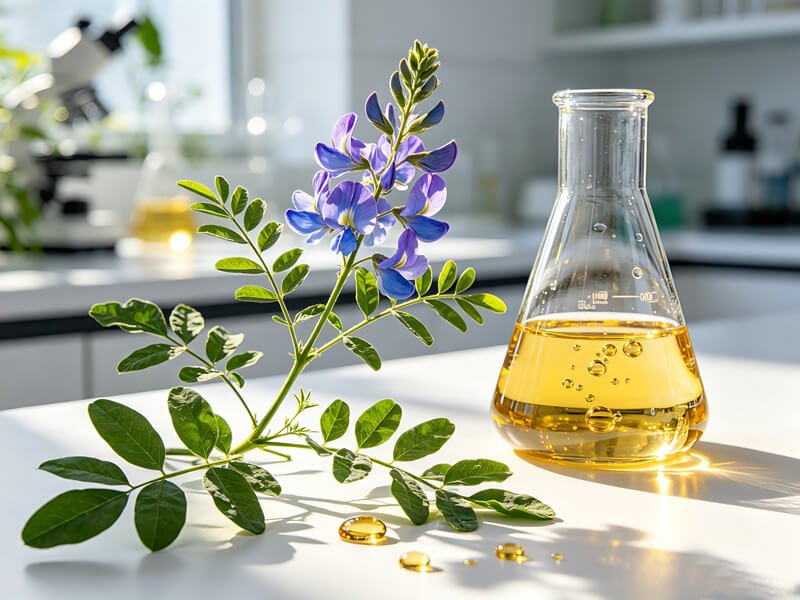
1. Botanical Architecture: Decoding the Nepeta Cataria Genome
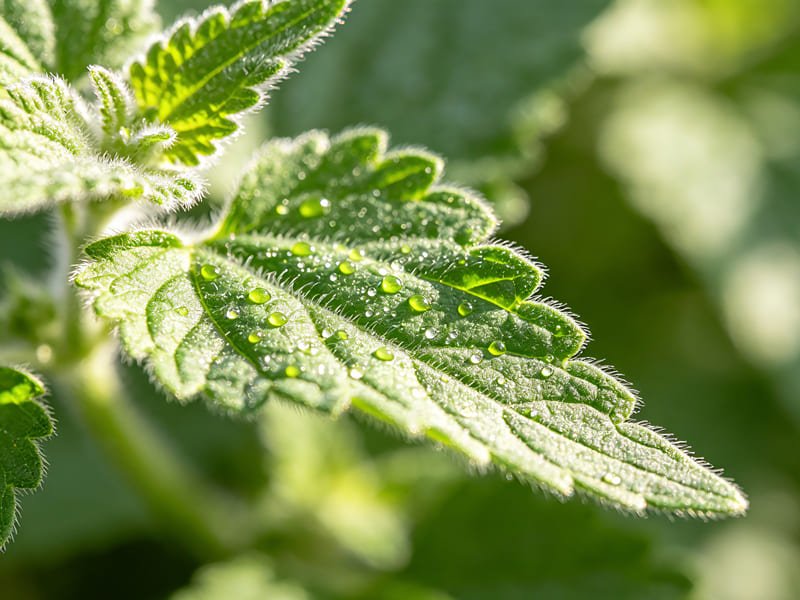
To understand why catnip oil is so special, we have to look at where it comes from. The plant is officially called Nepeta cataria. It belongs to the Lamiaceae family, which is the same group that gives us peppermint, lavender, and rosemary. This is why catnip has such a strong, refreshing smell. It is a hardy “perennial,” which means it lives for a long time and comes back every year. Originally, it grew in Europe, Asia, and Africa, but it loved North America and Canada so much that it now grows wild there as well.
The plant has very specific features that help experts identify it. It has a “square stem,” which feels like a tiny box when you roll it between your fingers. The leaves are heart-shaped and have edges like a saw. Most importantly, the leaves are covered in tiny, microscopic hairs called trichomes. These trichomes are the “oil factories” of the plant. When the plant is crushed or rubbed, these tiny factories burst open and release the essential oil we are looking for. In the wild, the plant uses this oil to stop bugs from eating its leaves. Little did it know that humans and cats would eventually find this oil incredibly valuable.
Catnip vs. Catmint: Don’t Get Confused
Many people go to a garden store and buy something labeled “Catmint,” thinking it is the same as Catnip. However, in the world of professional extracts, they are very different. Catmint usually refers to varieties like Nepeta mussinii. These are dwarf plants used for decoration because they have beautiful purple flowers. They look great in a yard, but they are “chemically quiet.” True catnip oil comes only from Nepeta cataria. This variety grows much taller—up to five feet—and has high levels of nepetalactone, which is the key ingredient that makes everything work. To be sure you have the right oil, you should always check the CAS Numbers on the bottle, which are 8023-84-5 or 84929-35-1.
| Characteristic | True Catnip (N. cataria) | Ornamental Catmint (N. mussinii) |
|---|---|---|
| Growth Height | 3 to 5 Feet (Tall) | 10 to 18 Inches (Short) |
| Flower Color | White with Purple Spots | Vibrant Purple/Blue |
| Oil Potency | Very High (78-95% Nepetalactone) | Very Low to None |
| Primary Use | Extraction, Medicine, Pet Toys | Landscaping and Decoration |
2. The Chemistry of Power: What is Inside the Oil?

The “soul” of catnip oil is a chemical called nepetalactone. This is a special type of natural oil known as a terpenoid. When scientists analyze a high-quality batch of oil from the Botanical Extract Factory, they usually find that nepetalactone makes up about 80% to 95% of the total liquid. This is the chemical that causes the famous reaction in cats and provides the incredible protection against bugs. It exists in different “shapes” called isomers, such as the 4aS, 7S, 7aR version. This specific shape fits perfectly into the biological receptors of insects and animals.
But the oil isn’t just one chemical. It is a complex mixture of over 20 different compounds. This “entourage effect” is why the whole oil works better than just one chemical by itself. Other important parts include:
- B-Caryophyllene: This part of the oil is famous for its anti-inflammatory properties. It helps reduce swelling and calms down skin irritation.
- Thymol: A natural germ-fighter. It acts as an antiseptic to keep wounds clean.
- Nepetalic Acid: This forms when the oil is exposed to air or water. It helps with the calming effect in humans.
- Citral and Geraniol: These provide a faint lemony scent, which is why some people use catnip oil in high-end perfumes to add a “minty-rosy” note.
Because the oil is so complex, professional labs use a machine called GC-MS (Gas Chromatography-Mass Spectrometry) to test every batch. This machine tells them exactly how much of each chemical is inside. If the nepetalactone level is too low, the oil won’t work as a bug repellent. If it’s too high and not balanced by other oils, it might be too harsh for human skin. Getting this balance right is what professional distillation is all about.
3. How Catnip Oil is Made: From Field to Flask
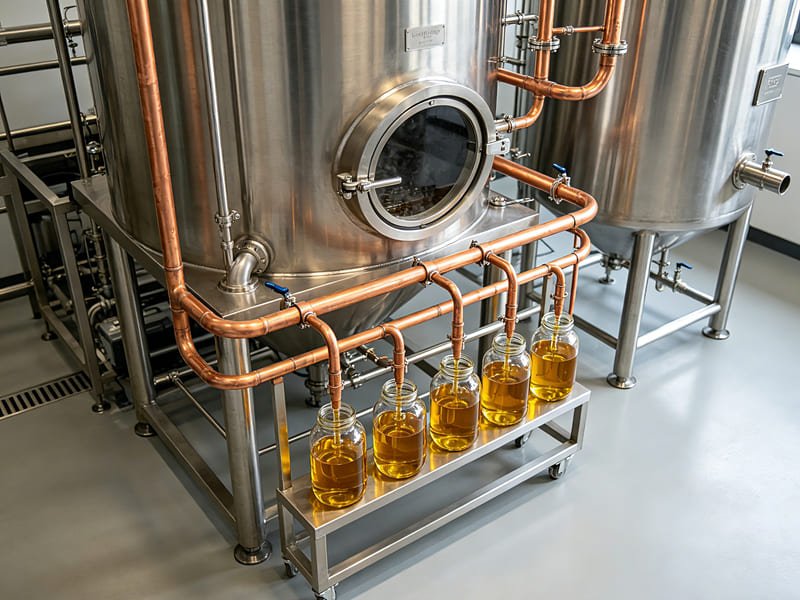
Making a single ounce of pure catnip oil takes a massive amount of plant material. On average, you only get about 0.3% oil from the fresh plants. That means if you have 1,000 pounds of catnip leaves, you only get 3 pounds of oil! This is why high-purity oil is so precious. At the Botanical Extract Factory, we use a process called steam distillation to ensure the highest potency.
The Professional Distillation Process
The process is a masterpiece of science and timing. It follows these five major steps:
- The Harvest: The plants are cut right when the flowers start to open. This is when the oil is most powerful. We harvest in the late morning after the dew has dried but before the hot afternoon sun can “cook” the oil out of the leaves.
- Steam Injection: The freshly harvested leaves are packed into a giant 500-liter stainless steel vat. Pressurized steam is forced through the bottom of the tank.
- Gland Bursting: The heat from the steam makes the tiny oil glands on the leaves explode. The nepetalactone turns into a vapor and rises with the steam.
- The Cooling Tower: This hot vapor travels through long copper coils cooled by cold water. As it cools down, the vapor turns back into a liquid mixture of water and oil.
- The Separator: Because oil is lighter than water, it floats to the top. Professional “differential collectors” capture both the top layer (pure essential oil) and the bottom layer (catnip water, or hydrosol).
The resulting oil is a clear yellow to light brown liquid. It has a very pungent, herbaceous-floral smell that lasts for years if stored correctly.
The DIY Home Distiller (The “Pressure Cooker” Method)
If you have a catnip patch in your backyard, you can actually make a simple version of this oil at home! While you won’t get the 95% purity of a professional factory, you can create an effective “hydrosol” for bug sprays.
What You Need: A pressure cooker, some reinforced plastic tubing, 3/8-inch copper tubing, and a bucket of ice water.
How to do it:
1. Put a steam rack inside your pressure cooker and fill the bottom with water.
2. Stuff the rack with as much fresh catnip as possible.
3. Attach the plastic tube to the steam vent on top of the lid.
4. Run the tube into a coil of copper pipe sitting inside a bucket of ice.
5. Turn on the heat. As the steam travels through the copper pipe in the ice, it will turn back into liquid.
6. Collect the “milky water” dripping out of the end of the pipe in a glass jar.
This milky water contains tiny droplets of catnip oil and is perfect for spraying on your garden plants or pet bedding.
Advanced “Kitty Crack” Isolation (The Toluene Method)
For the real science enthusiasts, our source files mention an advanced laboratory method to create 99% pure nepetalactone. This is not for beginners, as it involves using a chemical called toluene.
First, you perform a standard distillation. Then, you add a large amount of salt to the catnip water to help pull the oil out. You add a shot of toluene and shake it up. The nepetalactone loves toluene and will jump into that layer. Next, you wash the liquid with a sodium bicarbonate (baking soda) solution. This reacts with any “nepetalic acid” and removes it, leaving only pure, high-potency nepetalactone behind. Finally, you let the toluene evaporate away under a fan outdoors. You are left with a tiny amount of greenish liquid that is so strong it can make even the calmest cat do backflips.
| Method Name | Difficulty Level | Best For | Resulting Potency |
|---|---|---|---|
| Oil Infusion (Oven) | Easy | Massage Oils & Salves | Low (3-5%) |
| Pressure Cooker Still | Medium | Bug Sprays & Hydrosols | Medium (Hydrosol) |
| Professional Steam Distillation | High (Factory) | Therapeutic Grade / Wholesale | High (78-95%) |
| Toluene Solvent Wash | Professional Lab | Scientific Research / Isolation | Ultra-High (99%+) |
4. The Science of the “High”: Why Cats Go Crazy
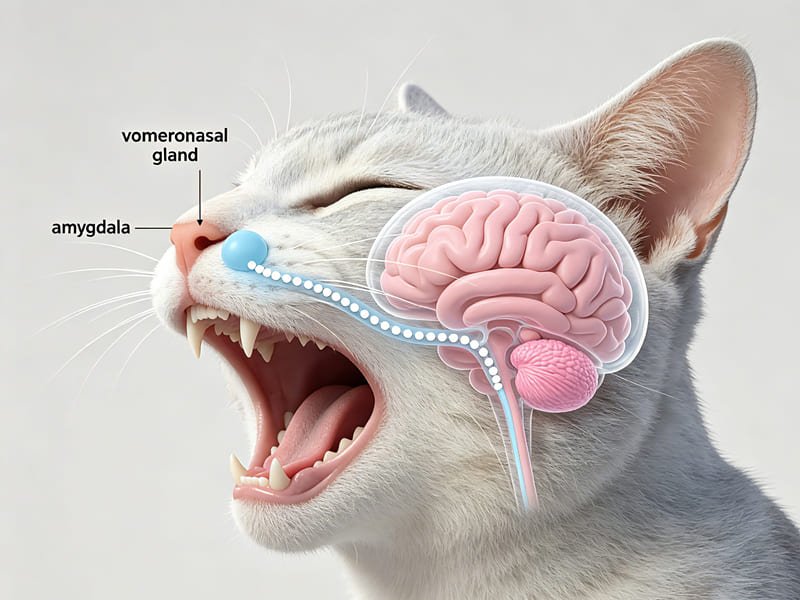
Watching a cat respond to catnip oil is one of the most entertaining things a pet owner can experience. But to a scientist, it is a complex biochemical event. When a cat smells the nepetalactone in the oil, it isn’t just “smelling a flower.” The molecules travel to a special organ in the roof of their mouth called the vomeronasal gland (or Jacobson’s Organ). This gland is like a “highway” that sends information directly to the brain’s emotional centers.
Specifically, the scent triggers the amygdala (which controls emotions and reactions) and the pituitary gland (which regulates hormones). Essentially, nepetalactone mimics a cat’s natural sex pheromones. This is why you see “psychosexual” behaviors, like rolling on their back, kneading with their paws, and drooling. Both male and female cats react this way, and even neutered cats can feel the effects. It is a harmless, short-lived burst of pure happiness.
However, the effect is biphasic. This means it has two different parts based on how the cat uses it:
- When Inhaled: Sniffing the oil acts as a stimulant. It makes the cat hyper, playful, and energetic.
- When Ingested: If the cat licks a toy with diluted oil on it, it acts as a sedative. The cat will become very relaxed, calm, and might even fall into a deep sleep.
It is important to remember that not all cats are affected. About 30% of cats are “genetically immune” to the oil. It’s an inherited trait—if their parents didn’t have the “catnip gene,” they won’t either. Also, kittens under the age of six months haven’t developed the right receptors yet, so they won’t react until they get older.
The “high” typically lasts for 10 to 15 minutes. After that, the cat’s brain enters what is called a refractory period. For the next hour or two, the cat will be immune to the smell. This is a built-in safety switch that prevents the cat’s brain from getting too tired. Once the timer resets, they can enjoy the oil all over again. It is 100% natural, non-addictive, and perfectly safe for them to enjoy as a treat.
5. Scientific Breakthrough: Catnip Oil as an Advanced Insect Repellent
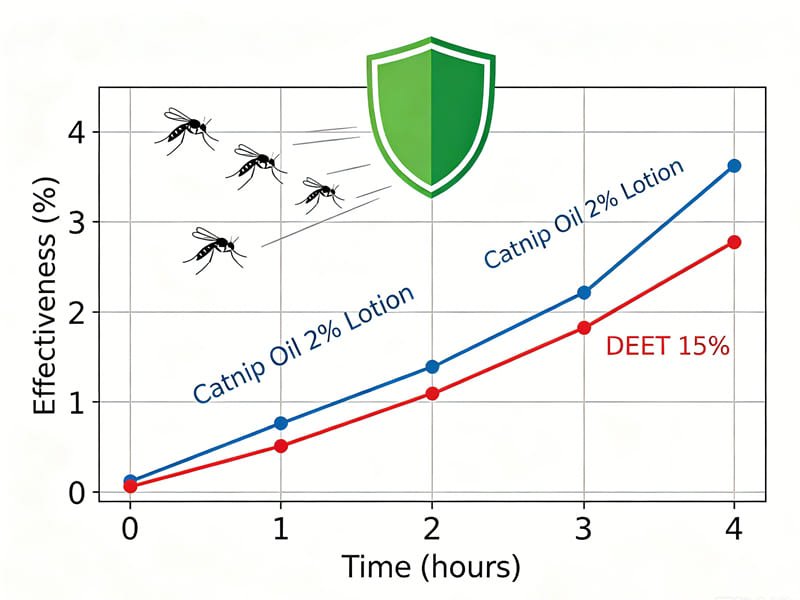
For decades, the world has relied on synthetic chemicals like DEET to protect against mosquitoes. However, a major shift occurred in 2001 when researchers at Iowa State University announced that catnip oil is ten times more effective than DEET. While this headline made waves, it wasn’t until very recently—specifically in a landmark 2024 study published in Scientific Reports—that we finally understood why and how this oil works on a molecular level. This research is critical for anyone looking to use catnip oil as a professional-grade alternative to toxic pesticides.
The TRPA1 Receptor: Nature’s Pepper Spray
The latest science reveals that nepetalactone, the star compound in catnip oil, targets a specific sensor in insects called the TRPA1 receptor. This is an ancient “chemical irritant” sensor found in many species, including humans. In humans, this receptor is what makes our eyes water when we chop onions or makes our skin sting if we touch a hot pepper. To a mosquito, such as the Aedes aegypti (the vector for Zika and Dengue), encountering catnip oil vapor is like a human walking into a room full of tear gas. It isn’t just a “bad smell” to them; it is a physical deterrent that triggers an intense avoidance response. This is a massive advantage over DEET, which primarily works by “hiding” the human scent. Catnip oil actively drives the insects away from the area.
The “2% Rule” for Maximum Protection
In the controlled laboratory tests using a Y-tube olfactometer—a device that forces mosquitoes to choose between two paths—scientists found that concentration matters. They used human hands as the attractant and applied various dilutions of catnip oil. Here are the professional findings:
- The 2% Concentration: Even at a low 2% dilution in a standard lotion, catnip oil repelled over 70% of mosquitoes for up to four hours.
- Aqueous vs. Oil Base: When mixed with simple olive oil, the protection lasted only about one hour because the oil is highly “volatile” (it evaporates quickly). However, when formulated into a professional skin lotion with ingredients like shea butter and sunflower oil, the “release” of the scent was slowed down, providing long-term protection.
- Precision Metrics: The testing was conducted with a controlled airflow of 0.4 meters per second. This proves that catnip oil works as a spatial repellent, meaning you don’t necessarily have to coat every inch of your skin; the vapor creates a protective “bubble” around you.
Targeting a Wide Range of Pests
Mosquitoes aren’t the only bugs that hate catnip oil. Because of its high nepetalactone and thymol content, it has been proven effective against a variety of household and agricultural pests. According to the Botanical Extract Factory technical data, the oil is a powerful tool against:
- Ticks (Ixodidae): Research shows catnip oil deters the deer ticks responsible for Lyme disease.
- Cockroaches & Termites: Lab tests show it acts as a barrier that subterranean termites refuse to cross.
- Stable Flies & Houseflies: Formulations of 15% catnip oil provided more than six hours of protection in field tests.
- Dust Mites: Using a 1% spray on bedding can significantly reduce mite populations in the home.
| Application Method | Concentration Level | Primary Use Case | Duration of Protection |
|---|---|---|---|
| Professional Skin Lotion | 2% – 3% | General Outdoor Protection | 3 to 4 Hours |
| Aqueous Spray (Water/Alcohol) | 5% – 10% | Quick Yard Work / Gardening | 45 to 60 Minutes |
| Aroma Sticks / Diffusers | 100% Pure Vapor | Patio / Indoor Barrier | Continuous (as long as diffused) |
| Pet Bedding Spray | 1% Dilution | Flea and Mite Prevention | Residual (Daily) |
6. Human Health and Wellness: The Sedative Power of Catnip

While catnip oil acts as a “party drug” for felines, it has the exact opposite effect on humans. Because our brains lack the specific receptors found in cats, nepetalactone interacts with our nervous system as a gentle, soothing sedative. In professional aromatherapy, catnip oil is classified as a “nervine”—a substance that calms and heals the nerves. This makes it one of the best kept secrets for those dealing with chronic stress, anxiety, or the “racing thoughts” that prevent a good night’s sleep.
Aromatherapy for Emotional Balance
The chemical structure of catnip oil is very similar to the valepotriates found in Valerian root, which is a world-famous natural sleep aid. When you inhale catnip oil, it helps lower your cortisol levels (the stress hormone) and slows down a fast heart rate. Many people find that its herbaceous, slightly minty-floral aroma is more pleasant and less “heavy” than other sedatives like lavender. It is particularly useful for “recharging” after a high-pressure workday.
Master Recipes for Professional Wellness
Using the data from our source files, we have compiled the most effective professional recipes for using Botanical Extract Factory oils at home:
1. The “Anti-Depressive” Liver Tonic:
Traditional herbalism links a “sluggish liver” to feelings of low mood and depression. To help the body detoxify and lift the spirit, mix:
- 3ml Catnip Essential Oil
- 2ml Basil Essential Oil
- 2ml Melissa (Lemon Balm) Essential Oil
- 1ml Geranium Essential Oil
Use 8 drops in a vaporizer or diffuse during your morning meditation to stimulate mental clarity and liver function.
2. The “Digestive Calm” Massage Blend:
Catnip is a known “carminative,” meaning it helps the body move gas downward and out of the system. For relief from bloating or gas, combine:
- 12 drops Catnip Oil
- 95ml Aloe Vera Gel
- 5ml Raspberry Carrier Oil (or Sweet Almond Oil)
Massage this onto the abdomen in a clockwise direction. The antispasmodic properties will help relax the smooth muscles of the stomach.
3. The “No Period Pain” Lotion:
Because catnip is an “emmenagogue,” it increases blood flow to the pelvic area and helps regulate the menstrual cycle. To ease cramps, mix:
- 30 drops Catnip Oil
- 20 drops Roman Chamomile
- 10 drops Cornmint (or Peppermint)
- 1/3 cup of your favorite unscented body cream
Apply to the lower back and lower abdomen during your cycle. (Note: Never use this if you are pregnant).
7. Dognip: The Secret to a Balanced Canine
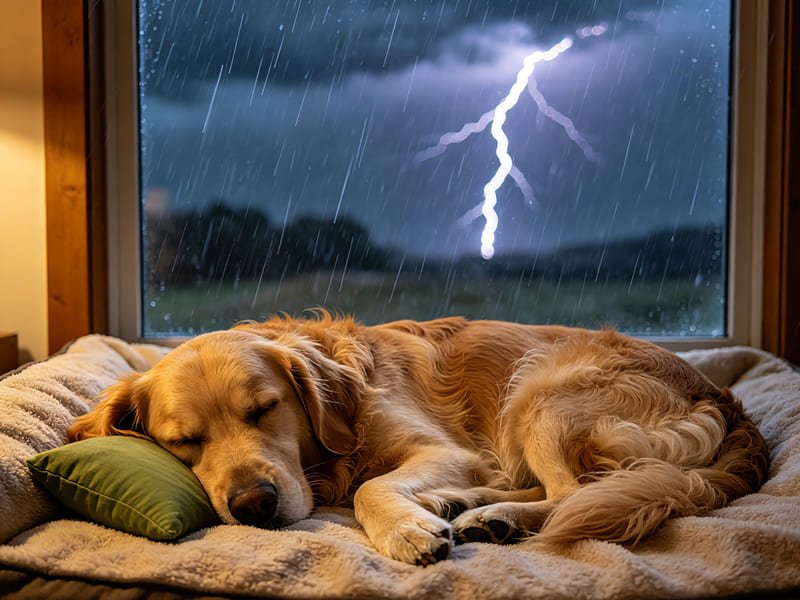
Many pet parents are shocked to discover that catnip isn’t just for cats. In fact, “dognip” is a rapidly growing trend in canine care. However, the reaction is completely different. Unlike cats, dogs do not get high from catnip. They do not roll, zoom, or act crazy. Instead, catnip acts as a natural, mild sedative for almost all dogs. This makes it an essential tool for dogs suffering from situational anxiety.
Calming Fears and Phobias
If your dog is terrified of fireworks, hides under the bed during thunderstorms, or cries during vet visits, catnip oil can help. It works by soothing the dog’s central nervous system without the “doped up” feeling that comes with heavy pharmaceutical drugs. Many owners sprinkle a few drops of highly diluted catnip oil on their dog’s bedding before leaving the house to help with separation anxiety. It helps the dog enter a state of calm contentment, making them more likely to nap than to chew on the furniture.
Medicinal Benefits for Dogs
According to the Botanical Extract Factory veterinary guides, the benefits go beyond just behavior:
- Motion Sickness: If your dog gets sick in the car, give them a toy infused with catnip 30 minutes before the trip. It helps settle the stomach lining and prevents nausea.
- Antiseptic for Skin: Catnip contains antibacterial properties. If your dog has a minor cut, a “hot spot” (itchy skin infection), or flea-bite irritation, applying a 0.5% catnip oil spray can stop the itching and speed up the healing.
- Sleep Support: For older dogs who suffer from CCD (Canine Cognitive Dysfunction) and wander at night, catnip can help regulate their sleep-wake cycles.
Think of catnip as a “budget alternative” to CBD oil for dogs. While it doesn’t last as long as CBD, it provides an immediate, safe solution for temporary stress.
| Pet Issue | Recommended Method | Expected Behavioral Result |
|---|---|---|
| Thunderstorm Fear | Diffuse 3 drops in living room | Reduced shaking and pacing |
| Separation Anxiety | 1 drop diluted on the pet bed | Deeper sleep, less whining |
| Skin Itching | Mixed into dog shampoo (2 drops) | Reduced redness and inflammation |
| Car Sickness | Drip on a bandana around the neck | Calmer breathing, no vomiting |
8. Professional Safety and Precautions: Dilution is Mandatory
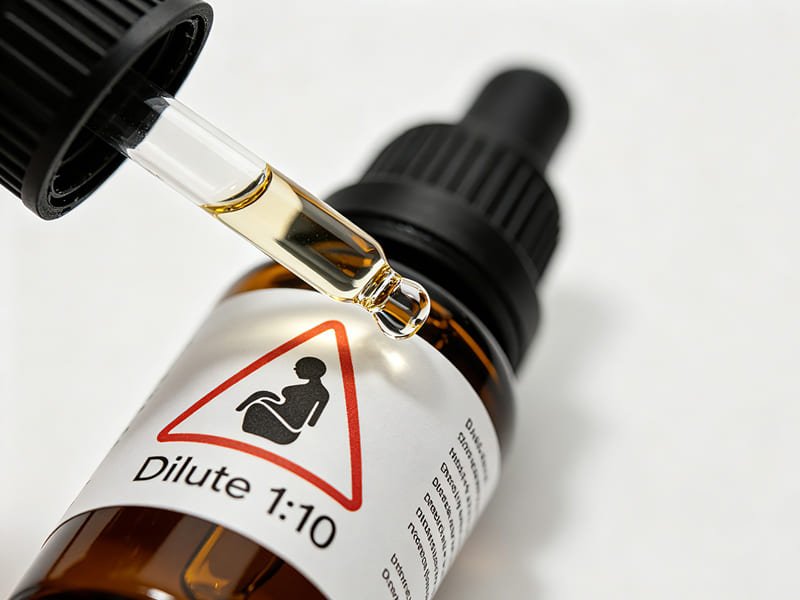
Because catnip oil is an essential oil, it is incredibly concentrated. One drop of oil represents the biological power of thousands of catnip leaves. Because of this, it must be handled with professional care. Dilution is not a choice; it is a requirement. If you apply pure catnip oil directly to human skin or pet fur, it can cause erythema—a painful condition where the skin turns red, swells, and feels like it is burning. For humans, always aim for a 1% to 3% concentration in a carrier oil (like jojoba or sweet almond oil). For pets, go even lower (0.5% or less).
The Pregnancy Warning (Critical Safety)
This is the most important warning in this guide: Catnip oil is a uterine stimulant. It can cause the muscles of the uterus to contract. Because of this, catnip oil is strictly forbidden for pregnant women and pregnant pets. Using it or inhaling high concentrations could potentially lead to a miscarriage. Also, if you have Pelvic Inflammatory Disease (PID) or suffer from dangerously heavy menstrual periods, avoid catnip as it can increase blood flow and worsen these conditions.
Drug Interactions and Toxicity
Catnip oil can interact with medications in ways you might not expect:
- Lithium: Catnip has a “water pill” effect (diuretic). Taking it while on Lithium can cause your body to keep too much of the drug, leading to dangerous toxic levels.
- CNS Depressants: Because catnip is a sedative, it makes other sedatives (like sleep aids or anti-anxiety meds) much stronger. This can lead to dangerously slow breathing.
- Cat Liver Safety: While cats love the plant, the pure oil can be toxic to cats. A cat’s liver is very small and lacks the enzymes to process essential oils quickly. Never put pure oil on a cat’s skin and never diffuse oil in a room that the cat cannot leave. Always ensure they have a path to “escape” to fresh air.
9. The Gardener’s Guide: Growing for Maximum Oil Potency

To produce high-quality oil like that found at the Botanical Extract Factory, you need a healthy, aggressive crop. Catnip is famously easy to grow—in fact, it is considered an invasive species in some areas because it spreads so fast! However, the quality of the oil depends entirely on how you treat the plant during its growth cycle.
Horticultural Metrics for Success
Based on the Hoss Tools and True Leaf Market guides, follow these precise metrics:
- The “Freeze-Thaw” Trick: Catnip seeds have a very tough shell. Before planting, put your seeds in the freezer for one week, then soak them in water overnight. This “stratification” mimics a cold winter and wakes up the seed so it can sprout faster.
- Planting Depth & Spacing: Plant seeds only 1/4 inch deep in sandy, well-draining soil. Space each plant 10 to 18 inches apart. Rows should be 18 to 24 inches apart to ensure there is enough airflow to prevent “Root Rot” and “Septoria Leaf Spot.”
- Soil pH: For the best nepetalactone levels, the soil should be slightly alkaline, with a pH between 6.1 and 7.8.
- The “Pinching” Technique: Early in the season, pinch off the top inch of the stems. This stops the plant from getting too tall and “leggy” and forces it to grow wide and bushy. A bushier plant has more leaves, and more leaves mean more oil!
Harvesting the “Liquid Gold”
Timing is everything. If you harvest too early, the oil isn’t formed. If you wait too long, the oil evaporates. The perfect window is when the white flowers are in peak bloom (June to September). Cut the entire plant at the base in the late morning after the dew has dried. Hang the bundles upside down in a dark, dry attic or shed. Never dry catnip in direct sunlight, as the UV rays will destroy the active oil molecules in just a few days. Once the leaves feel “crispy,” they are ready for storage or distillation.
10. Frequently Asked Questions
Does catnip oil make humans high?
No. Humans lack the specific neurological receptors that cats have. In humans, catnip oil acts as a gentle, calming sedative that helps with sleep and anxiety.
Is catnip oil safe for babies?
Catnip oil is potentially unsafe for infants. There have been reports of stomach pain and sluggishness in babies exposed to catnip. Avoid use on children under 6 years old.
Can cats overdose on catnip?
Cats cannot “overdose” in a fatal way, but if they eat too much of the plant or ingest concentrated oil, they may get sick with vomiting and diarrhea. Always use small amounts.
How long does catnip oil last?
The “high” for a cat lasts about 10-15 minutes. In a bottle, if kept in dark glass and a cool place, pure catnip essential oil has a shelf life of about 3 years.
Why doesn’t my cat react to catnip?
Sensitivity to catnip is an inherited genetic trait. About 30% of cats are “immune.” Also, kittens under 6 months and very senior cats often show no reaction.
Is catnip oil better than DEET?
Scientifically, yes. It is up to 10x more effective at repelling mosquitoes. However, it is more volatile, meaning it needs to be applied more often than DEET.
Can I smoke catnip oil?
Smoking catnip is highly discouraged. While some people did this in the 1960s for a “high,” it is considered unsafe, can irritate the lungs, and impairs judgment.
Does it repel ticks and fleas?
Yes. Catnip oil is an effective natural repellent for ticks, fleas, mites, and cockroaches due to its high nepetalactone and thymol content.
11. Conclusion: Embracing the Future of Natural Science
In the vast world of plant extracts, few substances are as scientifically versatile as catnip oil. We have seen how it can bridge the gap between a playful toy for our pets and a professional-grade tool for protecting our families from mosquito-borne diseases. From the molecular mechanics of the TRPA1 receptor to the “Tummy Tamer” massage oils for human wellness, the evidence is clear: Nepeta cataria is much more than a common garden weed. It is a renewable, eco-friendly powerhouse that offers us a path away from harsh, synthetic chemicals and back toward the proven wisdom of nature.
At the Botanical Extract Factory, we are dedicated to preserving the purity and potency of this incredible resource. We understand that the difference between a simple scent and a therapeutic solution lies in the quality of the extraction. By using professional steam distillation and rigorous GC-MS testing, we ensure that every drop of our catnip oil meets the 95% nepetalactone standard required for true efficacy. Whether you are a scientist formulating a new insect repellent or a pet owner seeking a natural way to calm an anxious dog, we are here to provide the highest-grade extracts available. Let us help you unlock the true potential of the botanical world, one golden drop at a time.