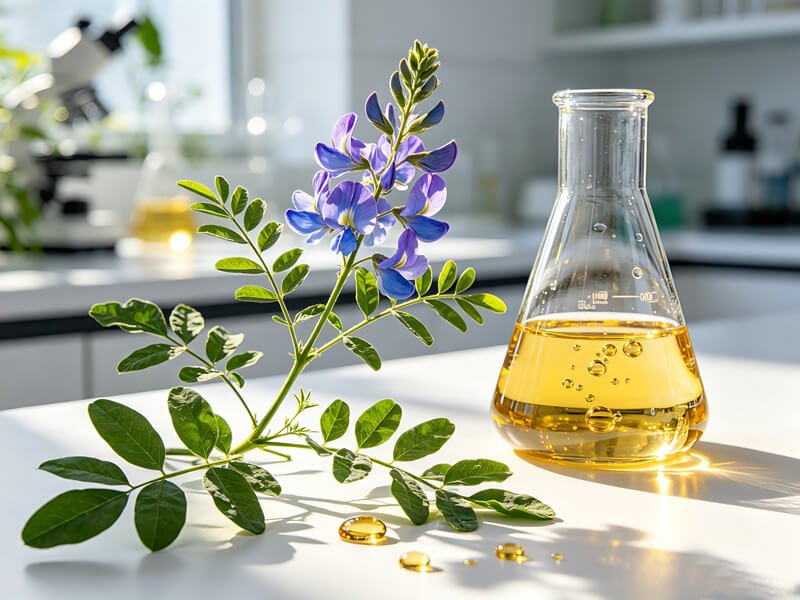
I. Introduction: The Evolution of Plant Essence
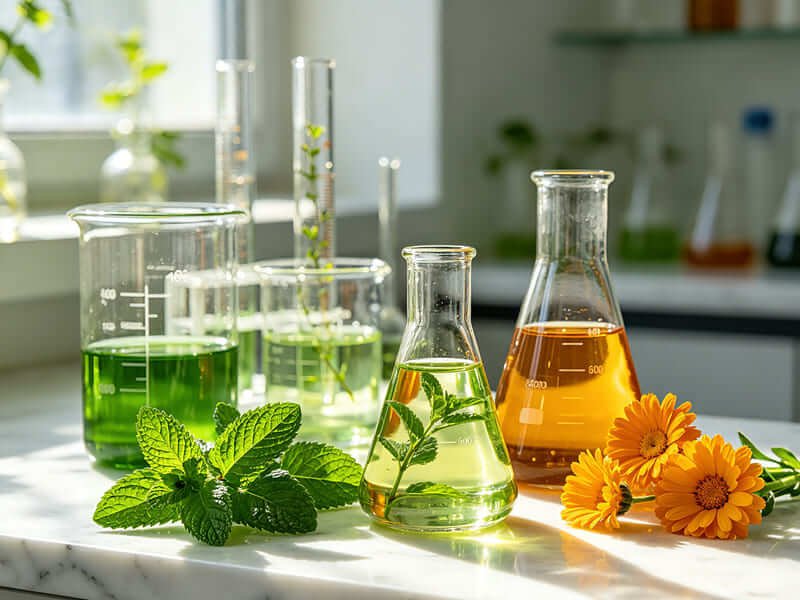
The history of botanicals is the history of human survival. In our early days, we were foragers. We learned which berries gave us energy and which leaves could soothe a bee sting. However, the raw form of a plant is often inconvenient. You can’t carry a whole bush of lavender around to help you sleep. This is why our ancestors developed the art of extraction—the process of “drawing out” the active parts while leaving the bulky, fibrous parts behind.
Early Mesopotamian and Egyptian records show that people were already experts at making infusions in oil and wine. By 900 AD, the discovery of pure ethanol changed everything, allowing for much stronger and more stable medicines. Fast forward to 2026, and the botanical extract suppliers of the world are now using “Green Chemistry” to meet an incredible global demand. Modern consumers are ditching synthetic chemicals for the “Healthy Halo” of plants. This has led to a massive rise in herbal extracts manufacturers who must now balance ancient tradition with the strict safety standards of today. Companies like Botanical Extract Factory are leading this change by focusing on radical transparency and scientific precision.
II. What is a Botanical Extract? Definitions and Core Concepts
Let’s clear the air: what are botanical extracts, really? If you follow a recipe for a cake, you know that the vanilla liquid you use is not the same as a whole vanilla bean. What is botanical extract meant to be is a highly concentrated substance derived from a plant source. It can be a liquid, a thick paste, or a fine powder. The magic happens when we use a “solvent” to act as a magnet, pulling only the vitamins, minerals, and antioxidants out of the plant cells.
“Standardization—when properly performed—is much more than just measuring one chemical. It is about a complete body of info and controls that ensures the product is the same every single time you buy it.” — Professional Industry Standard.
The Anatomy of an Extract
To talk like a professional, you need to know the basic terms used in the factory and the field.
- Herb/Biomass: The starting material. This could be roots, seeds, flowers, or even the bark of a tree.
- Menstruum: The liquid used for the extraction. Think of this as the “carrier.” Common ones are water, alcohol, or glycerin.
- Solute: The “good stuff” that gets dissolved into the liquid.
- Marc: The leftover plant parts after the extraction is finished. It’s like the wet tea bag you throw away after your tea is brewed.
- Micelle: The final mixture where the nutrients and the liquid are combined.
The Difference Between Extract and Raw Plant:
A raw plant is roughly 80-90% fiber and water. If you put raw turmeric on your skin, it might stain, but very little of the active “curcumin” will actually get into your cells. An extract removes that fiber, making the curcumin up to 100 times more powerful and much easier for your body to absorb.
III. The Science of Phytochemistry: Understanding Active Compounds
Why do we care about what is botanical extract used for? Because of “Secondary Metabolites.” These are special chemicals that plants make to survive. While humans go to the gym or buy a house for protection, plants make chemistry. They produce toxins to kill bugs, bright colors to attract bees, and sunscreens to protect their leaves from UV light. When we extract these, we get to use those powers for ourselves.
The Six Pillars of Plant Power
| Active Class | Common Botanical Source | Scientific Benefit |
|---|---|---|
| Alkaloids | Goldenseal / Green Tea | Strong effects on the nervous system and antimicrobial properties. |
| Flavonoids | Chamomile / Citrus | Powerful antioxidants that stop free radicals from damaging skin cells. |
| Polysaccharides | Mushrooms / Aloe Vera | Huge molecules that hold water and support the immune system. |
| Glycosides | Willow Bark (Salicin) | Natural precursors to pain relievers and skin-clearing agents. |
| Terpenes | Lavender / Rosemary | The “smell” molecules that also help with inflammation and mood. |
| Organic Acids | Hibiscus / Fruit Seeds | Help balance the pH of your skin and act as natural preservatives. |
At Botanical Extract Factory, we use HPLC (High-Performance Liquid Chromatography) to “fingerprint” these molecules. This ensures that when you buy botanical extracts wholesale, you are getting exactly what the science promises, not just green-colored water.
IV. How to Make Botanical Extracts: A Technical Tutorial
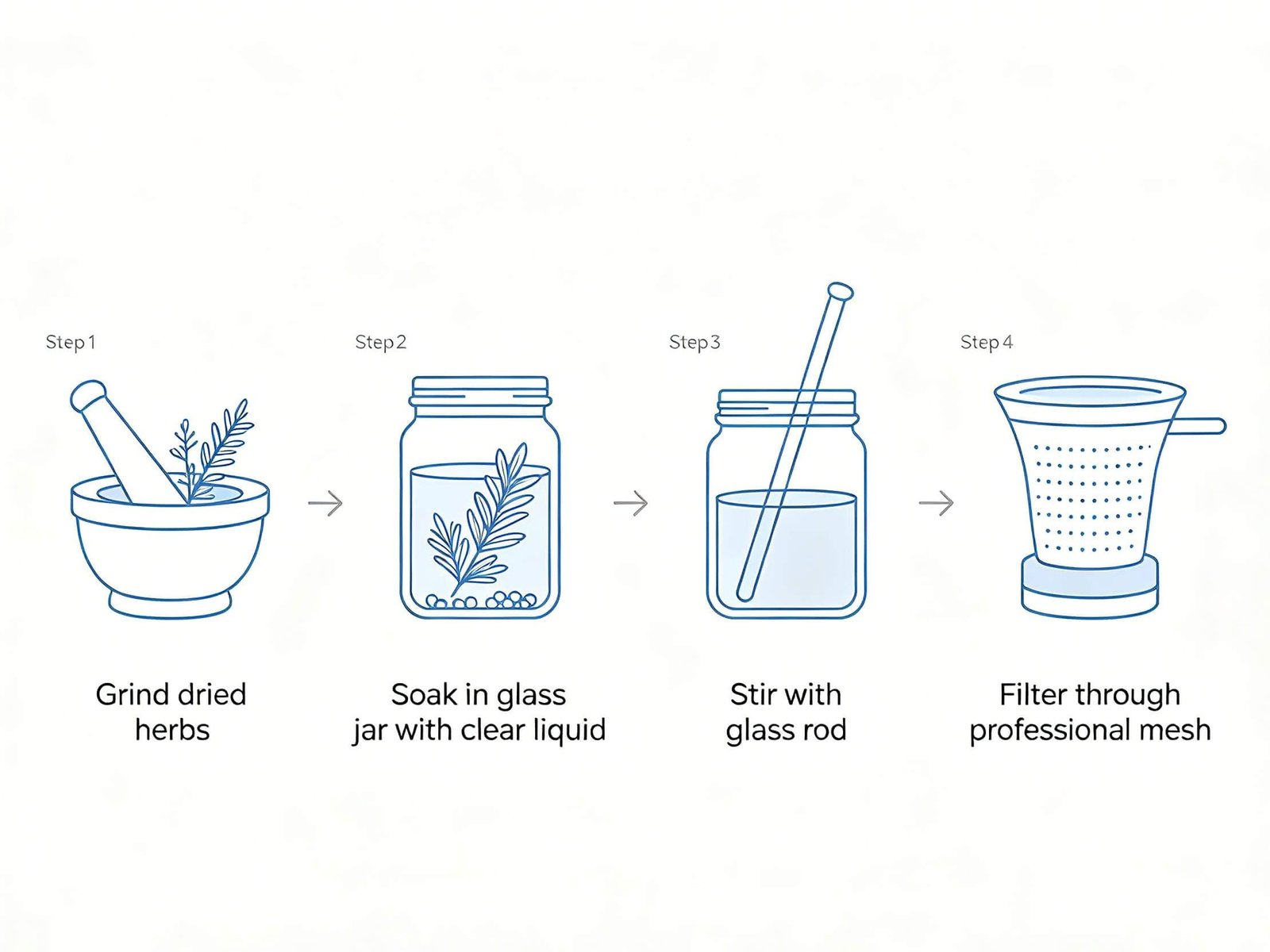
If you’re asking how to make botanical extracts that are professional-grade, you must understand that it is a controlled “Liquid-Solid Separation.” It’s not just soaking—it’s about precision. Here is the workflow used by the world’s leading herbal extracts manufacturers.
Step 1: Preparation of the Biomass
You must start with dry plants. Fresh plants contain water, and water allows bacteria to grow. We dry the plants at low heat to protect the delicate molecules. Then, we “mill” them. Milling means grinding them into specific sizes. If the pieces are too big, the liquid can’t get inside. If they are too small (like dust), they will clump together and ruin the process. We look for the “Goldilocks” size that allows for maximum surface area.
Step 2: Choosing the Menstruum (Solvent)
This is the most important choice. We use the rule: “Like dissolves Like.”
- Water: Best for sugars, proteins, and some vitamins. It’s safe and cheap but can go bad quickly without a preservative.
- Alcohol (Ethanol): The workhorse. It dissolves both watery and oily parts of the plant. Plus, it acts as its own preservative!
- Glycerin: Great for “alcohol-free” products. It’s sweet and very moisturizing for the skin.
- Oil: Used for “botanical extract oil.” Best for vitamins A, D, and E.
Step 3: The Maceration vs. Percolation Decision
Maceration (The Slow Way): This is the “soak and wait” method. You put your herbs and liquid in a sealed tank for 3 to 10 days. You must shake or stir it often. It’s gentle and great for delicate flowers.
Percolation (The Fast Way): This uses a cone-shaped tool. You pack the herbs in tight and let the liquid drip through slowly using gravity. This “washes” the nutrients out of the herb much more efficiently. It can take a 6-week process and finish it in only 48 hours!
V. Traditional Extraction Methods: A Cultural Deep-Dive
Before we had high-pressure machines, humans perfected five traditional ways to create blessed botanical extracts. These are still the foundation of the industry today, especially for food and home-use products.
- Infusion: Think of making a very strong tea. You pour hot water over leaves or flowers and let them steep for 15 minutes. This is best for “soft” plant parts.
- Decoction: For “hard” parts like roots or tree bark. You must simmer them in boiling water for 20 to 60 minutes to break down the tough fibers.
- Tincture: Using alcohol as the magnet. These are the most common extracts found in health stores. They stay fresh for years!
- Digestion: This is maceration but with a little bit of heat (around 50°C). The warmth helps the liquid penetrate the plant cells faster.
- Acetum: A rare exception where vinegar is used as the solvent. It’s great for extracting minerals but not as good for vitamins as alcohol.
“A cup of tea is no longer just water. It is a biological solution. In the same way, a professional extract is a transformed solvent that carries the blueprint of the plant.”
VI. Modern Extraction Technologies: From Traditional to Supercritical
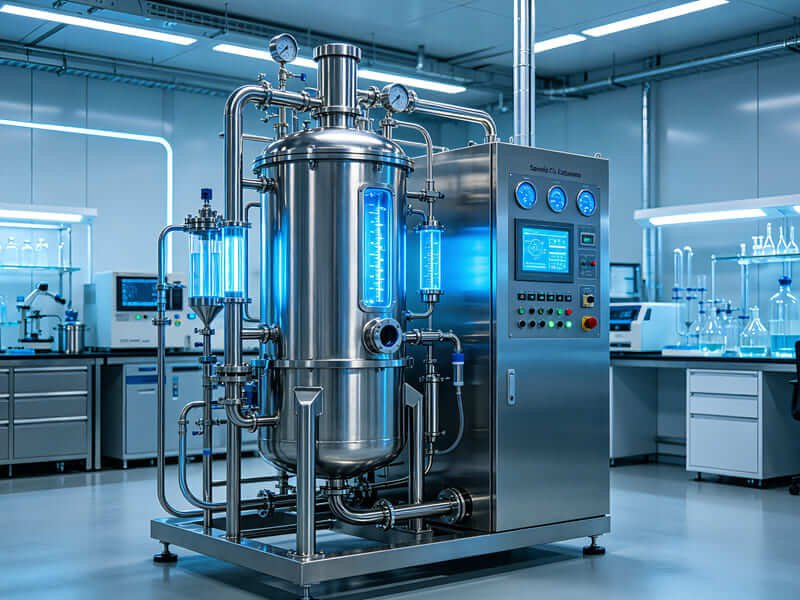
While the old ways of making extracts are beautiful, they are not always fast or pure enough for modern needs. In 2026, botanical extract manufacturers use “Green Technologies” that feel like they come from a science fiction movie. These new tools allow us to get more nutrients out of the plant in less time, without hurting the environment. Let’s look at the three biggest game-changers in the industry.
1. Supercritical CO2 Extraction: The Gold Standard
This is the cleanest method in the world. Normally, Carbon Dioxide (CO2) is the gas we breathe out. But if you put it under extreme pressure and specific temperatures, it turns into a “supercritical fluid.” This liquid acts like a super-powered magnet. It can pass through hard plant roots like a gas but dissolve nutrients like a liquid.
The best part? Once the extraction is done, we simply lower the pressure. The CO2 turns back into gas and floats away, leaving behind a 100% pure extract. There are no chemical residues and no toxic solvents. This is the top choice for blessed botanical extracts because the final product is as close to nature as possible.
2. Ultrasound-Assisted Extraction (UAE)
Imagine using sound to break open a cell. That is exactly what UAE does. It uses high-frequency sound waves to create tiny bubbles in the solvent. These bubbles “pop” with incredible force against the plant’s cell walls. This acts like a tiny hammer, smashing the cells and letting the “essence” out. Because it doesn’t use high heat, it is perfect for delicate flowers like jasmine or rose that would lose their smell if they were boiled.
3. Microwave-Assisted Extraction (MAE)
Just like the microwave in your kitchen, this tech uses radiation to heat up the moisture inside the plant cells. The water inside the cells turns to steam so fast that the cell explodes from the inside out. This releases the active ingredients into the liquid in minutes instead of days. It saves a massive amount of energy and is very sustainable.
VII. Understanding Plant-to-Extract Ratios: The Math of Potency
If you are looking at a botanical extracts wholesale catalog, you will see numbers like 4:1, 10:1, or even 85:1. Many people make the mistake of thinking a bigger number always means a stronger product. This is not true! This number is called the Drug to Extract Ratio (DER). It simply tells you how much raw plant was used to make the final extract.
A 10:1 ratio means it took 10 kilograms of dried plant to make 1 kilogram of extract. But here is the secret: if the manufacturer used low-quality plants or a weak solvent, that 10:1 extract might actually have fewer vitamins than a high-quality 4:1 extract!
The real pros look for Standardization. Instead of just a ratio, they look for a “Marker Compound.” For example, instead of just “Turmeric 10:1,” you should look for “Turmeric standardized to 95% Curcuminoids.” This guarantees that every batch has the same healing power.
| Plant Source | Standard Yield Ratio | Common Marker Compound | Why It Matters |
|---|---|---|---|
| Green Tea | 4:1 | EGCG (Polyphenols) | Ensures antioxidant levels. |
| Milk Thistle | 100:1 | Silymarin | Indicates liver-protecting strength. |
| Ginkgo Biloba | 50:1 | Flavone Glycosides | Guarantees brain-boosting effect. |
| Willow Bark | 5:1 | Salicin | Matches the power of aspirin. |
VIII. Botanical Extract Oils vs. Essential Oils: Clearing the Confusion
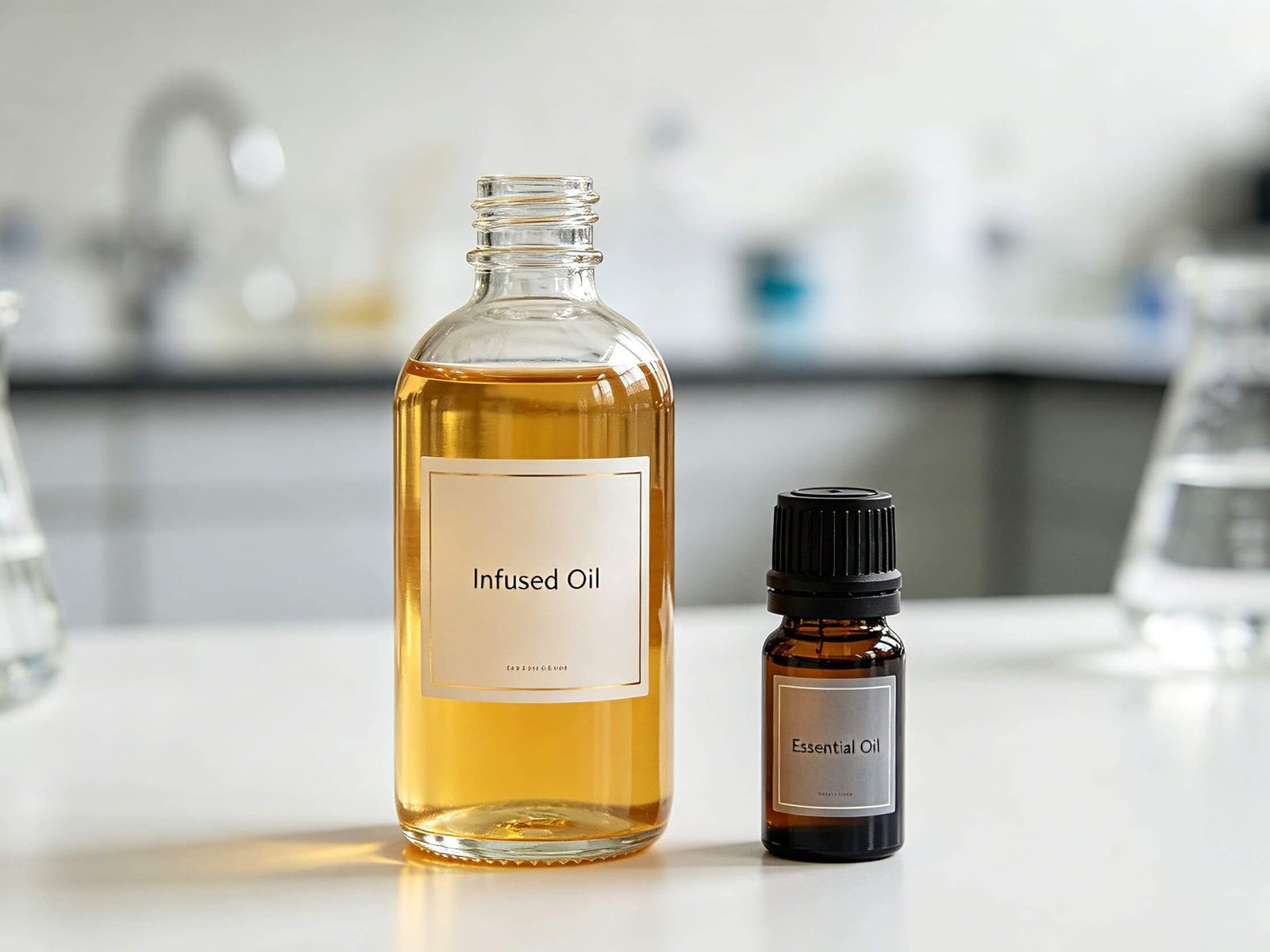
This is the question botanical extract suppliers get asked the most: “Is an extract oil the same as an essential oil?” The answer is a firm No. They are made differently and do different things.
Essential Oils are the “volatile” essence of a plant. They are made through steam distillation. They are so strong that they can burn your skin if you don’t dilute them. They are mostly used for their smell and their effect on your emotions (aromatherapy).
Botanical Extract Oils are made through maceration. You take a “carrier oil” like Sunflower or Almond oil and let the herbs sit in it for weeks. The oil slowly “soaks up” the nutrients. These are non-volatile and very stable. They are the perfect base for massage oils, lip balms, and body butters. They are much gentler and can be used at 100% strength directly on your skin.
“If an essential oil is the ‘soul’ of the plant, a botanical extract oil is the ‘body.’ One provides the spirit and scent, while the other provides the physical nourishment and protection.” — Traditional Herbalist Wisdom.
IX. What is Botanical Extract Used For? Industry Secrets
The question isn’t what is botanical extract used for—the question is, what isn’t it used for? In 2026, plant extracts are the engine of the wellness world. Here is how different industries use them to win over customers.
1. The Food and Beverage Revolution
Have you noticed “Functional Waters” at the store? These are waters infused with extracts like Hibiscus for color or Ginger for digestion. Turmeric is also a huge star here. Instead of using fake “Yellow Dye #5,” food makers use turmeric extract. It gives a beautiful golden color and a health boost at the same time. This is what we call a “clean label” product.
2. The Modern Tea Bag
Old-fashioned tea is just dried leaves. But new, high-performance teas use agglomerated extracts. Manufacturers take a liquid extract and dry it into tiny “granules” that look like instant coffee. They mix these with the tea leaves. When you pour hot water, the granules dissolve instantly, making your cup of tea 5 to 10 times stronger in antioxidants than a standard tea bag.
3. Ethical Home Care
People are throwing away their harsh chemical cleaners. They are switching to botanical detergents that use Soapnut extract (saponins) to create bubbles and Rosemary extract as a natural preservative. These products smell amazing and don’t hurt the water supply when they wash down the drain.
X. Dermatological Deep Dive: Botanical Extracts for Skincare
In the world of beauty, botanical extracts are the magic ingredients that actually change the skin. They are “biocompatible,” meaning your skin recognizes them and knows how to use them. Here are the top 4 extracts you should look for in professional skincare.
- Centella Asiatica (Gotu Kola): Often called “Cica.” It is the master of skin repair. It helps firm the skin by telling your cells to make more collagen. It is a favorite for anti-aging and scar treatment.
- Licorice Root Extract: This is nature’s eraser. It contains “Glabridin,” which helps fade dark sun spots and hyperpigmentation without the side effects of chemical bleaches.
- Green Tea Extract: It is like a multi-vitamin for your face. The catechins inside fight “oxidative stress” from pollution and city smoke, keeping your skin looking fresh and bright.
- Willow Bark Extract: If you have breakouts, this is your hero. It contains natural salicin. Unlike synthetic salicylic acid which can dry your skin out, willow bark extract clears pores while keeping the skin calm and soft.
The “Cool-Down” Rule:
If you are a formulator, never add botanical extracts to your cream while it is boiling hot! Most extracts are heat-sensitive. You should always wait until the mixture is below 45°C (113°F). This keeps the vitamins “alive” and potent for your customers.
XI. Quality Control, Safety, and Filtration: Ensuring Absolute Purity
When you buy blessed botanical extracts, you aren’t just paying for the plant; you are paying for the safety. Professional herbal extracts manufacturers spend as much time cleaning the extract as they do making it.
The Three Layers of Filtration
- Removal of Plant Material: We use bag filters (usually 5 microns) to catch any leftover stems, seeds, or dust. This keeps the liquid from looking “dirty” or feeling “gritty.”
- The Bright Polish: We use lenticular depth filtration. This removes tiny lipids and colloids. This makes the extract “sparkle” and stay clear in the bottle.
- Carbon Treatment: Sometimes a plant has a very bitter smell or a dark color that we don’t want. Carbon filters can “adjust” the aroma and flavor without removing the nutrients.
Winterization: The Anti-Clump Secret
Have you ever put an oil in the fridge and seen white clumps form? Those are natural plant waxes. To prevent this, manufacturers use winterization. They chill the extract to sub-zero temperatures (-20°C). The waxes turn solid, and we filter them out. This ensures your face oil stays a beautiful, clear liquid even in cold weather.
XII. Sourcing and Procurement: Where to Buy Botanical Extracts Wholesale
This is the most important step for any business. You need a partner, not just a seller. The best botanical extract suppliers will provide you with evidence of purity for every single batch.
Red Flags to Avoid
- No HPLC Report: If a supplier cannot show you the “fingerprint” of the extract, they might be selling you diluted or synthetic material.
- Suspiciously low prices: Quality supercritical extraction or 6-week maceration is expensive. If the price is 50% lower than everyone else, the product is likely “adulterated” (mixed with cheap fillers).
- Vague INCI names: A professional label should list the full scientific name. For example, instead of just “Rose Extract,” it should say “Rosa Damascena Flower Extract.”
At Botanical Extract Factory, we specialize in high-purity, traceable sourcing. We provide a full Certificate of Analysis (COA) with every order, detailing the exact percentage of active markers and the absence of heavy metals like lead or mercury.
Your Botanical Questions Answered
What is a botanical extract exactly?
It is a concentrated version of a plant made by dissolving the active parts into a liquid (solvent) and removing the fiber. It lets you get the benefits of the plant without having to use the whole bulky herb.
Can I use botanical extracts directly on my skin?
It depends. Alcohol tinctures can be very drying. Water-based extracts and glycerites are usually safer. However, because they are very concentrated, most pros recommend using them as part of a formula (1-5% concentration) rather than applying them neat.
How long do botanical extracts stay fresh?
Alcohol-based extracts (tinctures) are the most stable and can last 3-5 years. Oil-based and glycerin-based extracts usually last 1-2 years. Always check for a rancid smell or a change in color—these are signs the oil has oxidized.
Are natural extracts always safe?
No. “Natural” does not mean “allergy-free.” For example, if you are allergic to ragweed, you might react to chamomile extract. Always do a patch test on a small area of skin before using a new botanical product.
Do extracts lose their power over time?
Yes, they are sensitive to light and heat. To keep them potent, you should store them in dark amber glass bottles in a cool, dry place. Professional suppliers like Botanical Extract Factory use nitrogen flushing to keep air out of the bottles.
What is the best solvent for botanical extraction?
Ethanol (alcohol) is the industry favorite. It is very effective at pulling out both water-soluble and oil-soluble nutrients. It also keeps the liquid safe from bacteria growth.
Why are some extracts so much more expensive?
The cost depends on the rarity of the plant and the method of extraction. For example, Supercritical CO2 extraction uses very expensive machinery, but it results in a much purer product than basic soaking.
Can I make professional-grade extracts at home?
You can make high-quality home extracts using the maceration method. However, achieving standardization (ensuring the exact same potency every time) requires a laboratory and professional testing equipment.
XIII. Blessed Botanical Extracts: The Convergence of Ethics and Quality
Today, the most successful brands are those that care about more than just the bottom line. Blessed botanical extracts represent a new standard. They are made using “Circular Economy” principles. This means we use every part of the plant. The “spent grains” left in our filters don’t go to a landfill—they are given to farmers to nourish the soil or used to make organic fertilizer.
Furthermore, ethical sourcing ensures that the people growing these plants are treated fairly. When we support local communities in harvesting regions like the Souss Valley, we are ensuring the future of these precious botanicals for generations to come. Quality and kindness go hand-in-hand.
XIV. Conclusion: Your Partner in Plant-Based Innovation
From the molecular science of alkaloids to the high-tech precision of CO2 labs, we have seen that botanical extracts are the bridge to a healthier future. These are not just ingredients; they are the concentrated wisdom of the natural world, refined by the best technology humans have ever built.
Whether you are creating a new line of skincare, a functional food, or a healing supplement, choosing the right extract is the most important decision you will make. At Botanical Extract Factory, we are more than just a manufacturer—we are your partners in innovation. We are here to help you navigate the complexity of phytochemistry and ensure your products actually deliver on their promises. Let’s work together to harness the power of plants and build a world that is natural, effective, and sustainable.