1. The Microscopic Beginning: What Exactly is Algae Oil?
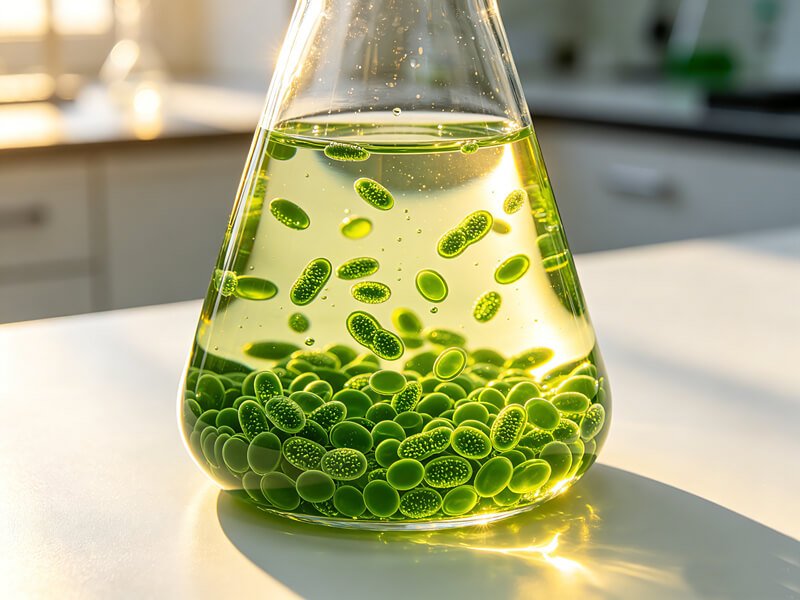
To really appreciate Algae Oil, we have to shrink down and look at the world through a microscope. Algae are some of the oldest living things on Earth. They are not exactly plants, because they don’t have roots or leaves, but they act like plants by using sunlight to create energy. This process is called photosynthesis. While we see seaweed at the beach (macroalgae), the real health secret lies in the microscopic world. These microalgae are tiny factories that take carbon dioxide and sunlight and turn them into high-value oils, including the long-chain Omega-3s that our bodies crave.
The Species Spotlight
In the world of high-end extraction at places like Botanical Extract Factory, scientists have identified specific “elite” strains of algae that are best for human health. It is not just about pond scum; it is about precision biology. The main species used for supplements and cooking include:
- Schizochytrium sp.: This is a marine microalga that is famous for its ability to produce high amounts of both DHA and EPA. It is grown in massive tanks where it can double its weight in just a few days. It is the primary source for most high-quality vegan Omega-3 supplements.
- Nannochloropsis: This species is a powerhouse for EPA (Eicosapentaenoic Acid). If you are looking for an oil to fight inflammation or support your heart, this is often the species chosen.
- Crypthecodinium cohnii: This is a specialized strain that produces pure DHA without much EPA. Because it is so clean and stable, it has been used for years in infant formula to make sure babies grow up with strong brains and eyes.
The Fermentation Revolution
One of the most important things to understand about modern Algae Oil is that it is often produced in “closed-loop” systems. Instead of harvesting from a polluted ocean where fish might contain mercury or microplastics, these microalgae are grown in large, sterile stainless steel tanks. This process is called fermentation. Scientists give the algae a “clean diet” of sugars (often from sustainable sugarcane) and purified water. This means the oil that comes out is as pure as it can possibly be. There is no risk of ocean-borne toxins, no fishy smell, and a very consistent quality that you just can’t get from wild-caught fish.
2. The Science of Fatty Acids: DHA vs. EPA vs. ALA
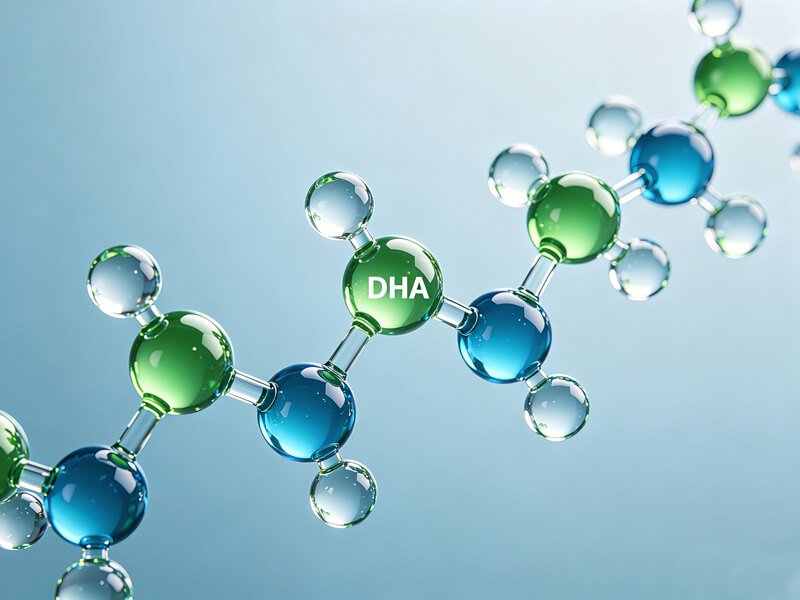
When you look at a supplement label, you might see the words “Omega-3,” but that is just a family name. Inside that family, there are three main players, and they are not equal. Understanding the difference between them is the key to knowing why Algae Oil is superior to other plant-based options like flaxseed or chia seeds.
The Conversion Trap: Why ALA is Not Enough
Many people believe they are getting enough Omega-3 because they eat walnuts or flaxseeds. These foods are high in ALA (Alpha-Linolenic Acid). However, your brain and heart cannot use ALA directly. Your body has to work very hard to convert ALA into the usable forms: DHA and EPA. Science tells us that humans are incredibly inefficient at this. Only about 1% to 5% of the ALA you eat actually becomes DHA. This means if you want the brain-boosting benefits of 500mg of DHA, you would have to eat a mountain of seeds every day! Algae Oil provides the DHA and EPA directly, so your body doesn’t have to do any “manufacturing” work.
DHA: The Structural Builder
DHA (Docosahexaenoic Acid) is the most abundant Omega-3 in your brain and eyes. It is literally a building block of your cell membranes. Think of it like the insulation on a high-speed internet cable. If you have enough DHA, the signals in your brain travel fast and clear. If you don’t have enough, the “cables” get frayed, leading to brain fog, poor memory, and even mood swings. About 97% of the Omega-3s in your brain are DHA, which is why it is so vital for learning and cognitive health.
EPA: The Inflammation Fighter
EPA (Eicosapentaenoic Acid) is the body’s natural “peacekeeper.” Its main job is to regulate inflammation. While inflammation is necessary to heal an injury, chronic inflammation is like a small fire that never goes out, leading to heart disease and joint pain. EPA creates molecules called eicosanoids that tell the immune system to calm down. Algae Oil used to be low in EPA, but new cultivation techniques now allow for a balanced ratio that matches or even exceeds the benefits of fish oil.
| Fatty Acid | Main Function | Direct Sources | Plant Sources (Requires Conversion) |
|---|---|---|---|
| DHA | Brain structure, Vision, Nerve signaling | Algae Oil, Oily Fish | None |
| EPA | Heart health, Anti-inflammation, Mood | Algae Oil, Oily Fish | None |
| ALA | Basic Energy, Skin health | None | Flax, Chia, Walnuts |
3. Heart Health: Protecting Your Ticker with Marine Power
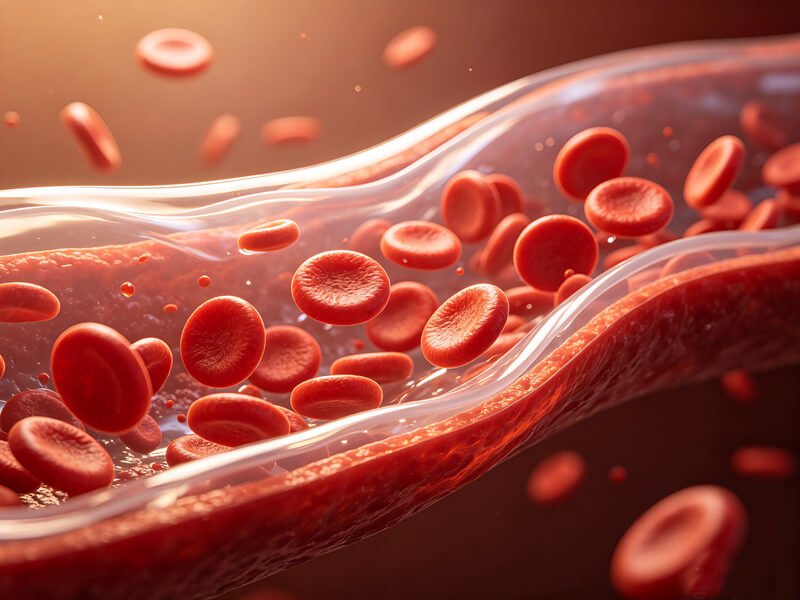
Heart disease remains one of the greatest challenges for modern health, but Algae Oil provides a powerful, natural way to protect your cardiovascular system. The benefits of the EPA and DHA found in algae have been studied in thousands of clinical trials. Let’s explore how this green oil keeps your heart beating strong and your arteries clear.
Reducing the “Sludge”: Lowering Triglycerides
Triglycerides are a type of fat found in your blood. When you eat more calories than you need, your body turns them into triglycerides and stores them. If these levels get too high, your blood becomes thick and “sludgy,” which can lead to hardened arteries and heart attacks. Clinical research has shown that taking 1 to 2 grams of Algae Oil daily can reduce triglyceride levels by 15% to 30%. It works by signaling the liver to produce less fat and helping the body clear existing fat from the bloodstream more efficiently.
The Flexibility Factor: Managing Blood Pressure
Think of your arteries like a garden hose. If the hose is soft and stretchy, water flows through easily. If it becomes stiff and brittle, the pressure builds up, and the pump (your heart) has to work much harder. This is high blood pressure. Algae Oil helps maintain the “elasticity” of your blood vessels. This is called endothelial function. By keeping the lining of your arteries healthy, Algae Oil naturally lowers blood pressure and reduces the risk of stroke.
Raising the “Cleaners”: Boosting HDL Cholesterol
You probably know that HDL is the “good” cholesterol. It acts like a tiny garbage truck that picks up bad cholesterol (LDL) and takes it to the liver to be recycled or thrown away. Algae Oil has been shown to raise HDL levels significantly. This ensures that your arteries stay “clean” of the plaque that can cause blockages. Unlike some medications that only lower the bad stuff, Algae Oil helps balance the entire system naturally.
4. Brain and Mental Health: Sharpening the Mind

Your brain is the most fat-heavy organ in your body. In fact, 60% of it is made of fat, and half of that fat is Omega-3 DHA. This means that your ability to think, remember, and even feel happy is directly tied to the quality of the oil you eat. Algae Oil is like high-octane fuel for your nervous system. Let’s see how it helps at every stage of life.
Defeating “Brain Fog” and Fatigue
Have you ever felt like your brain was stuck in a cloud? This “brain fog” often happens when the neurons in your brain cannot communicate quickly. DHA from Algae Oil is a major part of the “synapse”—the gap where brain signals jump from one cell to another. When you have plenty of DHA, these signals move like lightning. When you are deficient, they slow down to a crawl. Supplementing with Algae Oil helps rebuild these communication pathways, leading to better focus, faster learning, and more mental energy throughout the day.
The Anti-Depressant Effect
New research in “Nutritional Psychiatry” has found that inflammation in the brain is a major cause of depression and anxiety. When the brain is inflamed, it cannot produce enough feel-good chemicals like serotonin. The EPA found in certain Algae Oil strains is a powerful anti-inflammatory. Some studies have found that Omega-3s can be just as effective as some anti-depressant medications for specific types of mood disorders, but without the harsh side effects. It provides a natural emotional “buffer” that helps you handle the stresses of daily life.
Protecting the Future: Preventing Cognitive Decline
As we get older, our brains naturally start to shrink. However, people who maintain a high “Omega-3 Index” in their blood have been shown to have larger brain volumes in the areas responsible for memory (the hippocampus). Algae Oil acts as a protective shield against Alzheimer’s disease and other forms of dementia. By starting an Algae Oil routine early, you are essentially “armoring” your brain against the effects of aging, ensuring you stay sharp and independent well into your senior years.
5. Women’s Health: From Pregnancy to Menopause

Women go through many physiological changes throughout their lives, and Algae Oil is a vital companion for each one. Because Algae Oil is free from the contaminants of the ocean, it has become the “gold standard” for women who want the best for their bodies and their families.
The Miracle of Pregnancy: Building a Baby’s Brain
During the last three months of pregnancy, a baby’s brain grows faster than at any other time. To build this complex organ, the baby needs a massive amount of DHA. If the mother does not consume enough, the baby will actually “steal” the DHA from the mother’s own brain. This is why many pregnant women experience forgetfulness, often called “Mommy Brain.” Supplementing with Algae Oil ensures that both the mother and the baby have what they need. Most importantly, higher DHA intake has been proven to reduce the risk of early preterm birth (before 34 weeks) by a staggering 42%.
Postpartum Support and Breastfeeding
After the baby is born, the need for DHA continues. For breastfeeding mothers, the DHA they eat passes directly into their milk. This “liquid gold” supports the baby’s vision development and immune system. For the mother, Omega-3s help regulate the intense hormonal shifts that follow birth, reducing the risk of postpartum depression and helping her feel more emotionally stable during those sleepless early months.
Hormonal Balance: PCOS and Menopause
For women struggling with Polycystic Ovary Syndrome (PCOS), Algae Oil can be a life-changer. PCOS often involves high inflammation and insulin resistance. Omega-3s help make the body’s cells more sensitive to insulin and can help lower levels of testosterone, which reduces acne and unwanted hair growth. During menopause, as estrogen levels drop, the risk of heart disease goes up. Algae Oil provides the cardiovascular protection women need during this transition, while also helping to manage the joint pain and mood swings that often come with the change of life.
| Life Stage | Why You Need Algae Oil | Recommended Intake (DHA/EPA) |
|---|---|---|
| Pregnancy | Prevents preterm birth; builds fetal eyes/brain | 300mg – 600mg DHA daily |
| Breastfeeding | Supports infant IQ and vision | At least 200mg DHA daily |
| PCOS Support | Reduces male hormones; improves skin | 1,000mg combined daily |
| Menopause | Protects heart; stabilizes mood | 500mg – 1,000mg combined daily |
6. Culinary Algae Oil: The Kitchen Revolution
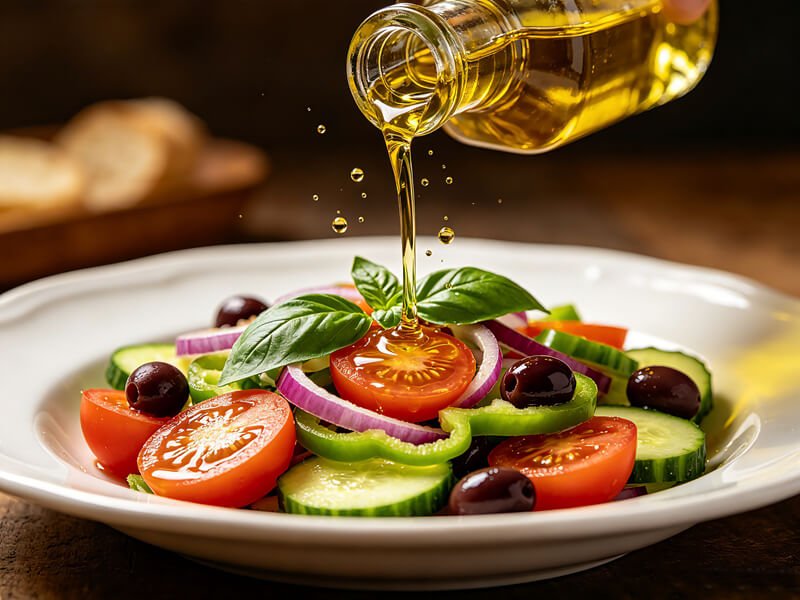
While we usually think of Algae Oil as a supplement, there is a brand-new category that is taking over the world’s best kitchens: Algae Cooking Oil. This is a game-changer for anyone who loves to cook but wants to stay healthy. It is different from the Omega-3 oils we take in pills. Cooking Algae Oil is mostly made of Omega-9 monounsaturated fats—the same healthy fats found in olive oil, but even better.
The 535°F Secret: Why Smoke Point Matters
Every oil has a “smoke point.” This is the temperature where the oil starts to burn and break down. When an oil smokes, it releases toxic chemicals called polar compounds and acrylamides into your food and your air. Butter burns at 350°F, and even Extra Virgin Olive Oil starts to smoke at 375°F. Algae Cooking Oil has a smoke point of 535°F (280°C). This makes it the safest oil in the world for searing steaks, roasting vegetables at high heat, or using in an air fryer. You get the crispy texture you love without any of the burnt, bitter chemicals.
Neutral Taste: Let Your Food Shine
Have you ever made a delicate lemon cake or a light vinaigrette, only to have the strong taste of olive oil or coconut oil overpower everything? Algae Cooking Oil is famous for being “chef-grade” because it has a neutral, light, and slightly buttery flavor. It doesn’t have the “fishy” or “grassy” notes of other oils. This means it lets the natural flavors of your ingredients stand out. It is perfect for making homemade mayonnaise, baking, or even frying eggs where you want a clean, fresh taste.
Ending the Seed Oil Debate
Many health experts are currently warning against “seed oils” like soybean, corn, and sunflower oil because they are too high in Omega-6. While we need some Omega-6, eating too much causes systemic inflammation. Algae Cooking Oil contains 85% less Omega-6 than most vegetable oils. It is a simple swap that can dramatically improve your body’s Omega balance with every meal you cook. It is like having the heart-health benefits of the Mediterranean diet, but with the performance of a high-heat industrial oil.
7. Sustainability: Saving the Planet One Drop at a Time

Choosing Algae Oil is not just a win for your body; it is a profound act of kindness toward our planet. The traditional fish oil industry is putting a massive strain on our oceans. To produce just one pound of farmed salmon, it can take up to two pounds of wild-caught fish to create the feed. This is a broken system that is leading to the collapse of marine ecosystems. We are taking food away from whales, dolphins, and penguins just to get a few capsules of oil.
Cutting Out the Middleman
When you switch to Algae Oil from a responsible manufacturer like Botanical Extract Factory, you are essentially “cutting out the middle fish.” One acre of algae can produce as much Omega-3 as thousands of fish. Because algae grow so fast—sometimes doubling in size in just 24 hours—it is a renewable resource that will never run out. It doesn’t contribute to overfishing, and it doesn’t destroy coral reefs with huge nets.
Low Impact, High Reward
Algae don’t need fertile farmland to grow. They can be grown vertically in tanks on land where nothing else can survive. They use a fraction of the water that it takes to grow crops like soybeans or palm oil. In fact, many algae farms use recycled water and create zero waste. The “leftover” algae after the oil is extracted is full of protein and is used to create sustainable animal feed or organic fertilizers. It is the most resource-efficient way to feed the world’s growing population without destroying our last remaining forests.
8. Algae Oil for Pets: The Ultimate Omega-3 for Dogs and Cats

Our furry friends are part of the family, and they need Omega-3s just as much as we do. However, dogs and cats have a biological secret: they are even worse at converting plant fats (like flaxseed) than humans are. They must get their DHA and EPA from their diet. For a long time, pet owners used fish oil, but many pets are actually allergic to fish proteins. Algae Oil is the “perfect” solution for the modern pet parent.
Itch Relief and a Shiny Coat
Does your dog constantly scratch their skin or lick their paws? This is often a sign of dry skin or allergies. Omega-3s from Algae Oil help build a strong “moisture barrier” in their skin. Within just a few weeks of adding Algae Oil to their food, you will notice their fur becoming incredibly soft and shiny. It is the best natural way to stop the “itch-scratch cycle” and make your pet more comfortable.
Joint Health for Senior Pets
Just like humans, pets get stiff joints as they age. If your senior dog has trouble getting into the car or your older cat stops jumping on the counter, they might be in pain. The EPA from Algae Oil works as a natural anti-inflammatory. It helps lubricate the joints and reduces swelling, allowing your pet to move with less pain and more joy. Many veterinarians now recommend Algae Oil over fish oil because it is more concentrated and easier for the animal’s body to absorb.
Brain Support: Beating “Doggy Dementia”
As pets get older, their brains can start to decline, a condition called Canine Cognitive Dysfunction (CCD). They might get lost in the house, bark at nothing, or forget their training. Since DHA is the main fat in the brain, giving your pet Algae Oil can help keep their mind sharp and protect their neurons from damage. It helps them stay the same happy, engaged companion they have always been.
9. Consumer Buying Guide: How to Choose the Best Algae Oil
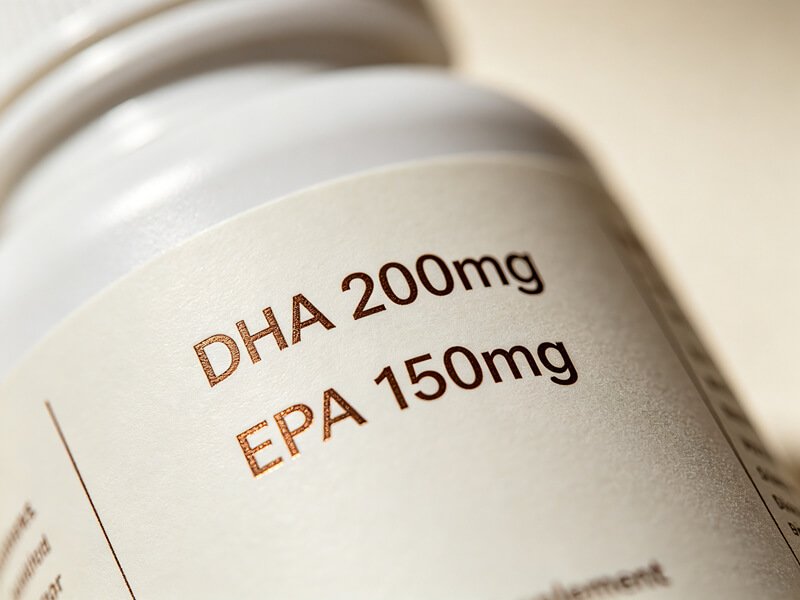
Now that you know why Algae Oil is so important, how do you find a good one? The supplement market can be very confusing, and some companies use “tricky” labels to hide low-quality products. Here is your step-by-step checklist to make sure you are getting the most value for your money in 2026.
1. Look for Specific DHA and EPA Amounts
Never buy a bottle that only says “1,000mg Algae Oil.” That is the weight of the capsule, not the amount of the good stuff. Turn the bottle over and look at the “Supplement Facts.” You want to see the specific milligrams (mg) of DHA and EPA. For general health, look for a product that gives you at least 250mg to 500mg of combined DHA and EPA per serving.
2. The “rTG” Form: The Best for Absorption
This is a bit of chemistry, but it is the most important secret in the supplement world. Most cheap oils come in the “EE” (Ethyl Ester) form, which is a processed shape that the human body doesn’t absorb very well. High-quality oils, like those from Botanical Extract Factory, use the rTG (re-esterified Triglyceride) form. This is the natural shape that your body recognizes. Studies show that rTG oils are absorbed 70% better than EE oils. It is worth paying a little more for something that actually works!
3. Testing for Freshness (The Smell Test)
Omega-3 oils are very sensitive to heat and air. If they are not handled correctly, they go “rancid.” Rancid oil tastes terrible and can actually be bad for you. How can you tell?
- Neutral Scent: Good Algae Oil should smell like nothing or a very light smell of the ocean. If it smells like “rotten fish,” it is rancid—throw it away!
- Clear Color: The oil should be clear and golden. If it looks cloudy or dark, it might have oxidized.
- No “Burps”: If you get “algae burps” hours after taking your supplement, the oil is likely beginning to break down. High-quality, fresh oil should be digested without any aftertaste.
4. Packaging Matters
Always choose Algae Oil in dark glass bottles or opaque capsules. Light is the enemy of Omega-3. Also, check for a “Nitrogen Flush” label. This means the manufacturer replaced the oxygen in the bottle with nitrogen to keep the oil fresh for a long time. Once you open your oil, it is a great idea to keep it in the refrigerator.
10. Safety, Side Effects, and Drug Interactions
Algae Oil is generally recognized as safe (GRAS) by the FDA and is considered one of the safest supplements on the market. However, because it is so powerful, there are a few things you should know before you start your routine.
Blood Thinning and High Doses
Omega-3 fatty acids can make your blood “thinner” or less likely to clot. This is great for preventing heart attacks, but it can be a problem if you are already taking blood-thinning medications like Warfarin (Coumadin) or take aspirin every day. Most health organizations say that up to 3,000mg a day is perfectly safe, but if you have a scheduled surgery, you should stop taking Algae Oil about two week before to prevent any bruising issues.
Blood Sugar and Blood Pressure
Because Algae Oil is so good at lowering blood pressure, if you are already taking medication for high blood pressure, your pressure might go too low. Similarly, some studies show that high doses of DHA can slightly change blood sugar levels. If you have diabetes or are on heart medication, always have a quick chat with your doctor to adjust your doses as your health improves.
Stomach Comfort
A few people might feel a little “queasy” or have loose stools when they first start taking Algae Oil. The easiest way to avoid this is to take it with a meal. The fats in your food help your body break down the oil, which improves absorption and keeps your stomach happy.
Frequently Asked Questions (FAQ)
1. Is Algae Oil as effective as Fish Oil?
Yes! Multiple scientific studies have proven that Algae Oil is “bioequivalent” to fish oil. This means your body absorbs and uses the DHA and EPA from algae just as well as it does from fish. In fact, because algae oil is often more concentrated, you can sometimes take a smaller dose to get the same benefit.
2. Does Algae Oil have a fishy taste?
No. Fish oil only tastes fishy because the fish have accumulated impurities and the oil often starts to go bad. Algae Oil is grown in clean tanks and has a very neutral, slightly buttery, or light nutty flavor. It is the perfect choice for people who hate the taste of fish.
3. Why is Algae Oil more expensive than Fish Oil?
It is more expensive because it is a higher-quality, high-tech process. Growing algae in sterile tanks and using “green” extraction methods costs more than catching wild fish with giant nets. However, most people feel the purity, lack of mercury, and sustainability are worth the small extra cost.
4. Can I get enough Omega-3 from flax and chia seeds?
It is very difficult. Flax and chia provide ALA, and your body can only convert about 1-5% of that into the DHA your brain needs. To get the same amount of DHA found in one Algae Oil capsule, you would have to eat huge amounts of seeds every day. Algae Oil is much more efficient.
5. Is Algae Oil safe for children?
Yes, it is highly recommended. DHA is vital for the developing brains and eyes of children. Many pediatricians recommend Algae Oil for kids who struggle with focus or ADHD. Look for kid-friendly liquid drops that can be mixed into their favorite juice.
6. Can you cook with the Algae Oil supplements?
No. The Algae Oil in supplement capsules is high in Omega-3, which burns easily at low temperatures. If you want to cook, you must use Algae Cooking Oil, which is high in Omega-9 and can handle temperatures up to 535°F.
7. Does Algae Oil help with dry eyes?
Yes. The DHA in Algae Oil helps the glands in your eyelids produce a healthy oil film. This film stops your tears from evaporating too quickly, which is a major cause of dry eye syndrome, especially for people who use computers all day.
8. Is Algae Oil better for the environment than Krill Oil?
Yes. Krill are tiny shrimp that are the foundation of the food chain for whales and penguins in the Antarctic. When we harvest krill, we are taking food away from these animals. Algae are grown in tanks on land and do not harm any wild animals or ecosystems.
Conclusion: Joining the Green Revolution
In this journey through the world of Algae Oil, we have discovered that the smallest life forms on our planet have the power to solve some of our biggest health problems. Algae Oil is not just a passing trend; it is a smarter, cleaner, and more compassionate way to nourish our bodies. From the incredible brain-building power of DHA to the heart-protecting strength of EPA, this golden oil from the sea provides everything we once thought we could only get from fish—but without the toxins or the environmental damage.
By choosing Algae Oil, you are making a choice for “Optimal Nutrition.” You are choosing a sharper mind, a healthier heart, and a vibrant future for your children and pets. At Botanical Extract Factory, we are dedicated to this mission. We believe that the future of health is plant-based and science-backed. We work every day to ensure that the Algae Oil we produce is the purest, most potent extract available, helping people around the world live their best lives. We invite you to join this green revolution. It is time to go straight to the source and experience the life-changing power of Algae.