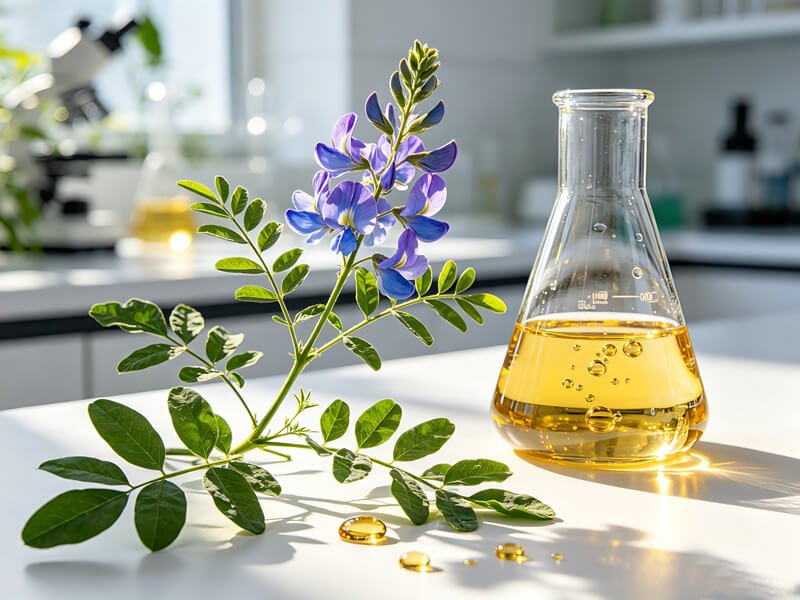
1. What is Camelina Sativa Oil? Core Fundamentals
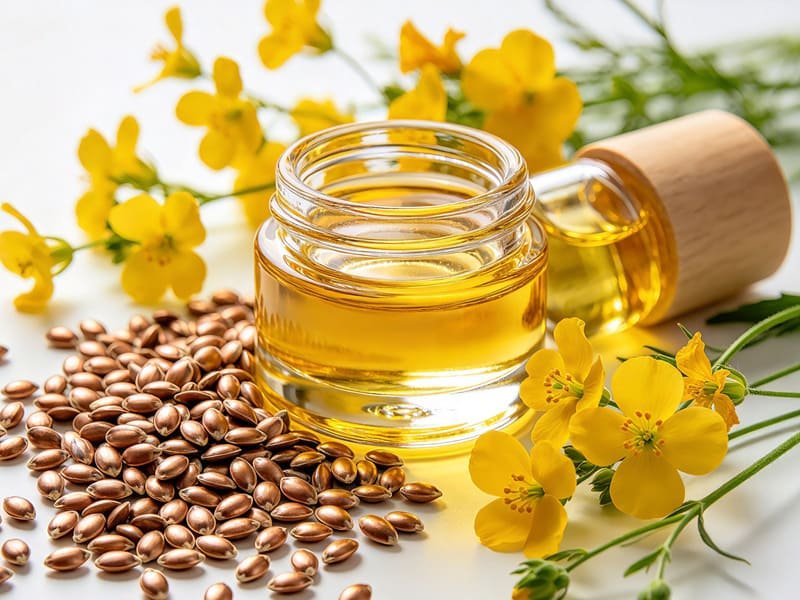
To understand what Camelina Sativa Oil is, we must look directly at its source plant. Camelina sativa is an ancient flowering annual that belongs to the mustard family, known botanically as Brassicaceae. Pressed from small, copper-colored seeds, this golden vegetable oil delivers a light, non-greasy consistency paired with a fresh, grassy-nutty aroma that reminds many tasters of almonds or fresh spring meadows.
Unlike conventional commodity oils, cold-pressed camelina oil is celebrated for its rare biochemical combination. It provides one of the highest plant-based concentrations of Alpha-Linolenic Acid (ALA), the foundational plant Omega-3 fatty acid. Yet, unlike flaxseed oil, it does not turn rancid within weeks. A high natural concentration of protective antioxidants shields its polyunsaturated fat chains against heat, air, and light.
Physical and Sensory Characteristics
- Appearance: A radiant golden-yellow to warm amber oily liquid that pours with light, fluid viscosity.
- Aroma and Taste: Mildly herbaceous, clean, and nutty. It carries none of the fishy notes of marine oils or the heavy bitterness often found in crude flax oil.
- Sensory Texture: In cosmetic formulations, chemists describe it as a “vanishing oil.” It penetrates dermal layers rapidly without creating a sticky or occlusive film on the skin.
- Comedogenic Rating: Holds a recognized comedogenic index of 0, meaning it does not clog pores or trigger blemishes.
“Camelina Sativa Oil resolves the oldest paradox in lipid chemistry: it delivers the therapeutic power of fragile Omega-3 fatty acids alongside the thermal endurance and shelf stability of a resilient cooking oil.”
2. Botanical Origins, Taxonomy, and Historical Heritage
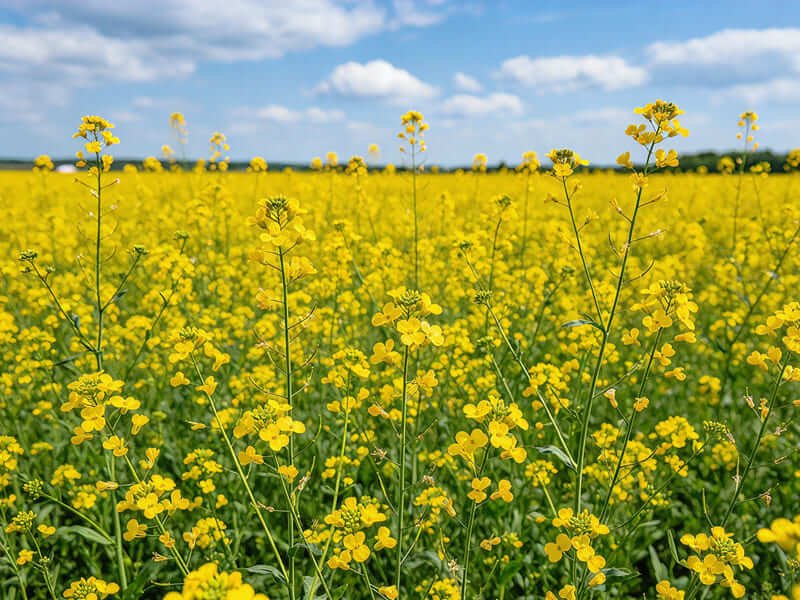
The botanical classification of camelina reveals much about its natural hardiness. As a member of the Brassicaceae family, it shares close genetic lineage with wild mustard, cabbage, and rapeseed. Its common names include gold-of-pleasure, false flax, wild flax, German sesame, and Siberian oilseed. Despite the frequent references to flax, camelina is completely unrelated to true flax, which belongs to the distinct family Linaceae.
An Ancient Agricultural Staple
Archaeological digs reveal that humans have cultivated camelina for thousands of years. Seed caches found in Neolithic and Bronze Age settlements across Switzerland, Germany, Romania, and Greece date back to 4,000 BCE. Ancient European civilizations cultivated the plant across the Rhine River Valley as early as 600 BCE. The Romans used it extensively as both an edible oil and a reliable, soot-free lamp oil. In medieval times, farmers turned to it as a dependable food source that flourished on poor, sandy soils where primary grains failed.
Why Did Camelina Disappear in the 20th Century?
Until the Second World War, camelina was widely grown and consumed across Eastern Europe, Scandinavia, Germany, and Russia. In Russia, it was preferred over flax oil because of its superior taste, longer shelf life, and higher market price. However, during the mid-20th century, industrialized agriculture shifted its focus toward modern oilseeds like rapeseed (canola) and sunflower. These alternatives produced higher initial yields and proved easier to chemically hydrogenate for commercial food processing. As a result, camelina faded into obscurity, preserved mainly as a protected regional heritage in Poland under the Traditional Speciality Guaranteed (TSG) designation “Olej rydzowy tradycyjny”.
The Modern Revival
At the turn of the 21st century, agricultural researchers and food scientists rediscovered camelina’s unique nutritional profile and remarkable agronomic traits. Today, modern production corridors thrive across the semi-arid plains of Montana, the Upper US Midwest (Wisconsin and Minnesota), Western Canada (Saskatchewan), and fertile regions of Central Europe.
| Common Name | Botanical Name | Plant Family | Historical Origin | Primary Traditional Use | Modern Agricultural Role |
|---|---|---|---|---|---|
| Camelina (Gold of Pleasure) | Camelina sativa | Brassicaceae | Northern Europe & Central Asia | Edible oil, wound care, lamp fuel | Omega-3 food, skincare, sustainable aviation biofuel |
| Flaxseed (Linseed) | Linum usitatissimum | Linaceae | Fertile Crescent / Mediterranean | Linen fiber, medicinal poultices | Dietary fiber, industrial paints, cold-use nutritional oil |
| Rapeseed / Canola | Brassica napus | Brassicaceae | Mediterranean & Northern Europe | Machinery lubrication, lamp fuel | High-yield edible cooking oil, biodiesel feedstock |
| Tea Seed (Camellia) | Camellia oleifera / japonica | Theaceae | East Asia | Culinary cooking, hair conditioning | High-oleic cosmetic oil, premium culinary specialty oil |
3. Biochemical Architecture: The Science Behind the Fatty Acid Profile

The true value of Camelina Sativa Oil lies in its fatty acid composition. Plant seeds store triglycerides as dense packets of energy. When mechanical pressure expels this liquid, it reveals an uncommon lipid profile: over 50% of the fatty acids are polyunsaturated, and saturated fatty acids make up less than 10% of the total matrix.
The Core Fatty Acid Spectrum
- Alpha-Linolenic Acid (ALA, C18:3 Omega-3): Accounts for 30.0% to 40.0% (and up to 45% in select cultivars) of the total oil. ALA serves as the essential parent Omega-3 from which the human body synthesizes longer-chain EPA and DHA.
- Linoleic Acid (LA, C18:2 Omega-6): Comprises 15.0% to 24.0% of the lipid volume. LA is an essential structural element that supports cell membrane permeability and water retention.
- Oleic Acid (OA, C18:1 Omega-9): Makes up 12.0% to 22.0%. This stable monounsaturated fat provides smooth glide and emolliency while protecting against premature oxidation.
- 11-Eicosenoic Acid (Gondoic Acid, C20:1): Ranges between 11.0% and 17.0%. This long-chain monounsaturated fatty acid is rarely found in common vegetable oils. Because its molecular profile closely mimics historical sperm whale oil, cosmetic formulators prize it for delivering a dry, velvety skin feel without tackiness.
- Erucic Acid (C22:1): Naturally low, ranging from 1.0% to 2.8%. Regulatory bodies like Health Canada require culinary vegetable oils to maintain erucic acid below 5.0%. Modern camelina varieties easily pass this test, with specialized cultivars testing below 1.0%.
The Balanced Omega-3 to Omega-6 Ratio
Typical Western diets suffer from a severe nutritional imbalance: humans regularly consume 15 to 20 times more Omega-6 than Omega-3. This overabundance fuels systemic, low-grade inflammation. Camelina oil naturally delivers an ideal 2:1 to 3:1 ratio of Omega-3 to Omega-6. By supplying twice as much Omega-3 as Omega-6 in a single whole-food ingredient, it helps restore healthy lipid balances throughout the body.
Minor Bioactive Compounds: Vitamins, Phytosterols, and Phenolics
Beyond its primary fatty acids, cold-pressed camelina oil carries an impressive complex of natural protective micronutrients:
- Vitamin E (Tocopherols): Boasts an outstanding 700 to 1,100 mg/kg (70–110 mg/100g) of natural tocopherols. The dominant form is gamma-tocopherol (γ-tocopherol), accompanied by alpha- and delta-isomers. By contrast, flaxseed oil contains only trace amounts of Vitamin E.
- Phytosterols: Delivers approximately 566 mg per 100g, dominated by brassicasterol, campesterol, beta-sitosterol, and stigmasterol. These plant sterols reinforce cellular membranes, calm dermal irritation, and reduce dietary cholesterol absorption.
- Phenolic Acids and Flavonoids: Academic research published in Acta Agriculturae Scandinavica identifies rich concentrations of sinapic, chlorogenic, ferulic, and 4-hydroxybenzoic acids, alongside protective flavonoids like quercetin, rutin, apigenin, and luteolin.
- Carotenoids: Natural lutein and zeaxanthin quench singlet oxygen free radicals while lending the oil its golden color.
| Fatty Acid Class | Specific Lipid Molecule | Camelina Sativa Oil | Flaxseed Oil | Canola Oil | Extra Virgin Olive Oil |
|---|---|---|---|---|---|
| Omega-3 Polyunsaturated | Alpha-Linolenic Acid (C18:3) | 30% – 40% | 50% – 60% | 7% – 10% | < 1% |
| Omega-6 Polyunsaturated | Linoleic Acid (C18:2) | 15% – 24% | 14% – 18% | 18% – 22% | 5% – 15% |
| Omega-9 Monounsaturated | Oleic Acid (C18:1) | 12% – 22% | 15% – 20% | 58% – 64% | 65% – 80% |
| Long-Chain Monounsaturated | 11-Eicosenoic Acid (C20:1) | 11% – 17% | < 0.5% | < 1.5% | < 0.5% |
| Total Saturated Fats | Palmitic & Stearic | 7% – 10% | 8% – 11% | 6% – 8% | 12% – 16% |
| Antioxidant Vitamin E | Total Tocopherols (mg/kg) | 700 – 1,100 | Traces – 100 | 400 – 600 | 150 – 300 |
4. The Oxidation Paradox: High Smoke Point and Thermal Stability
In basic organic chemistry, high polyunsaturated fat content usually guarantees swift oxidation. Each double bond in an alpha-linolenic molecule serves as a potential site for oxygen attack. When exposed to heat, ambient oxygen, or sunlight, conventional high-Omega-3 oils break down into rancid aldehydes, foul-smelling ketones, and inflammatory hydroperoxides. This is why standard flaxseed oil must be packed in dark bottles, kept chilled, and consumed within weeks without ever seeing heat.
How Camelina Defies Oxidation
Camelina Sativa Oil bypasses this vulnerability through its built-in antioxidant shield. Evolution in the harsh, frost-prone soils of ancient Europe equipped camelina seeds with high levels of gamma-tocopherol. While alpha-tocopherol functions best inside living animal tissues, gamma-tocopherol is nature’s most potent defense against thermal fat oxidation in plant oils. Working alongside natural phytosterols and flavonoids, it creates a self-preserving lipid system.
The Impressive 245°C (473°F) Smoke Point
This internal stability gives unrefined, cold-pressed camelina oil a remarkably high smoke point of 245°C (473°F). Compare that to other unrefined culinary oils:
- Cold-Pressed Flaxseed Oil: 107°C (225°F) – Degrades almost instantly when heated; suitable only for cold dressings.
- Extra Virgin Olive Oil: 160°C – 190°C (320°F – 375°F) – Prone to smoking during high-temperature roasting.
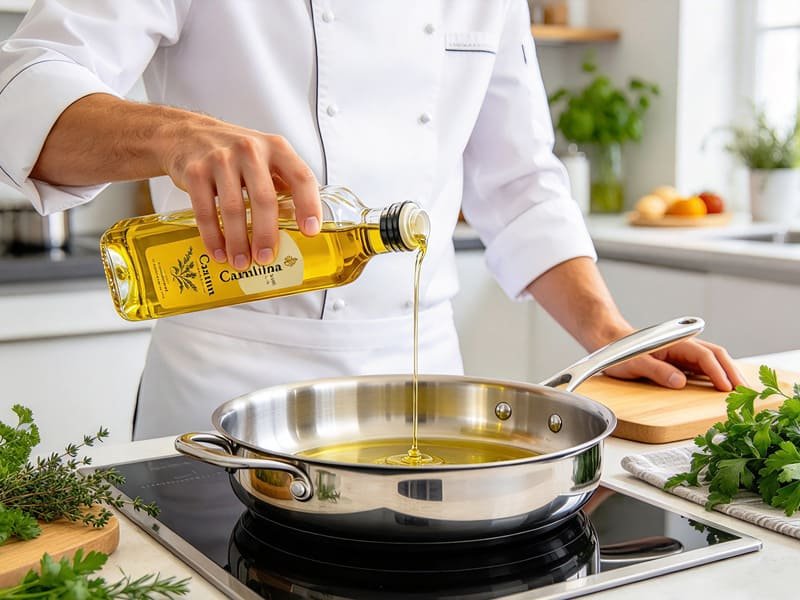
- Cold-Pressed Camelina Oil: 245°C (473°F) – Handles cold dressings, light sauteing, searing, and oven roasting with zero rancid breakdown.
Although it handles heat with ease, food scientists still advise against using unrefined camelina oil for repetitive commercial deep frying. Prolonged exposure to extreme heat will gradually exhaust its precious natural antioxidants. Instead, think of it as an all-around kitchen oil: stable enough for cooking, yet nutrient-dense enough to enjoy raw over fresh salads.
5. Skincare Science and Dermal Health

Cosmetic scientists and dermatologists evaluate plant lipids based on their fatty acid profile, transdermal absorption, and potential to cause acne. Listed on the International Nomenclature of Cosmetic Ingredients as Camelina Sativa Seed Oil, this botanical ingredient has earned a prominent place in clean-label anti-aging creams, barrier repair balms, and soothing facial oils.
Reinforcing the Skin’s Moisture Barrier
The outermost layer of our skin, the stratum corneum, functions much like a brick wall. Skin cells act as the bricks, while intercellular lipids serve as the mortar. When stress, harsh weather, or over-washing strip away these lipids, moisture escapes. This condition, known as Transepidermal Water Loss (TEWL), leaves skin dry, red, and irritated.
Camelina oil repairs this barrier naturally. Its high concentration of Alpha-Linolenic Acid stimulates skin cells to produce essential ceramides. Working in harmony, native phytosterols act as natural humectants: they attract moisture, reinforce the skin’s surface film, and restore comfortable hydration.
Accelerating Collagen Synthesis and Dermal Renewal
A published cellular study led by researcher Raluca Papacocea demonstrated that topical camelina oil directly supports skin renewal. Cultured human dermal fibroblasts treated with camelina oil showed accelerated cellular division and an increase in collagen synthesis of up to +22% over 48 hours. Concurrently, natural tocopherols protect structural collagen from the damaging effects of daily UV exposure and environmental pollution.
Calming Chronic Inflammaging and Sensitive Skin
As skin ages, low-grade chronic inflammation accelerates tissue breakdown. Topical Omega-3 fatty acids ease this burden by competing with arachidonic acid pathways. This action downregulates pro-inflammatory prostaglandins and leukotrienes, relieving redness and discomfort. Independent safety reviews by the Cosmetic Ingredient Review (CIR) panel confirmed camelina oil is non-irritating, completely safe across standard formulation levels (0.002% to 1.0%), and equally well-tolerated at concentrations up to 100% in pure massage treatments.
| Biological Target | Observed Cellular Mechanism | Active Chemical Constituent | Dermatological Formulation Benefit |
|---|---|---|---|
| Fibroblast Cellular Division | Stimulates proliferation and division rate | Unsaturated EFA matrix | Accelerates dermal wound healing and tissue repair |
| Procollagen Synthesis | Boosts collagen production up to +22% | Polyunsaturated fatty acids | Restores dermal firmness and smooths fine expression lines |
| Transepidermal Water Loss | Suppresses moisture evaporation through skin | ALA & Linoleic ceramides | Deeply hydrates and rebuilds compromised skin barriers |
| Inflammatory Mediators | Inhibits arachidonic cascade (PGE2 reduction) | Alpha-Linolenic Acid (Omega-3) | Soothes reactive skin, atopic eczema, and facial redness |
| Reactive Oxygen Species | Direct radical scavenging and quenching | Gamma-Tocopherol & Carotenoids | Protects against photoaging and ambient city pollution |
Trichology and Maternal-Infant Care
- Hair and Scalp Health: Massaging camelina oil into the scalp soothes dryness and eases dandruff. The lightweight lipid coats hair cuticles, enhancing natural shine and flexibility without oily buildup.
- Maternal Care: Rich in soothing fats, it serves as a gentle moisturizer for stretching bellies, perineal massage, and nursing care.
- Infant Care: With high purity and gentle emollience, camelina oil softens cradle cap and soothes diaper friction on delicate baby skin.
6. Human Nutritional and Cardiovascular Health Benefits
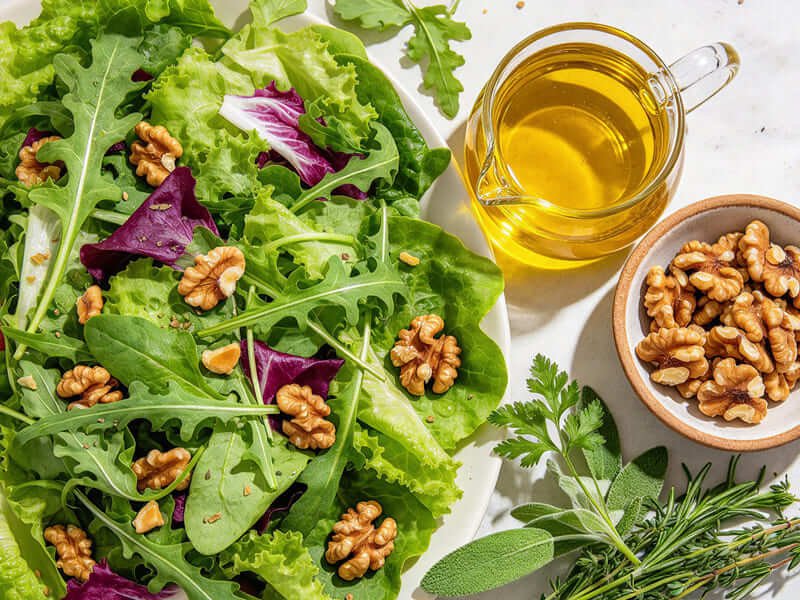
In modern preventative nutrition, clinical trials increasingly demonstrate that dietary oils do far more than supply calories. By shaping blood lipid profiles and signaling pathways, functional fats directly influence cardiovascular and metabolic wellness.
Fulfilling Daily Omega-3 Needs with a Single Spoon
Most health authorities recommend consuming between 1,100 mg and 1,600 mg of plant-based Alpha-Linolenic Acid each day. Because cold-pressed camelina oil contains approximately 38% ALA, a single tablespoon delivers more than 4,000 mg of bioavailable Omega-3. Adding just one spoonful to your daily salad or breakfast smoothie easily covers your essential daily intake.
Clinical Evidence: The University of Eastern Finland Trial
A landmark 12-week randomized controlled clinical trial conducted by the University of Eastern Finland evaluated 79 men and women with impaired fasting glucose. Researchers compared the metabolic effects of daily camelina oil intake against fatty fish and lean fish consumption.
The results, published in medical literature, revealed that camelina oil produced distinct cardiovascular benefits. Participants consuming camelina oil showed a significant reduction in circulating arachidonic acid, an Omega-6 derivative that fuels inflammatory pathways. Even more importantly, camelina oil reduced blood concentrations of harmful lipid oxidation markers, providing clear systemic protection against oxidative stress.
Cholesterol and Blood Pressure Support
Clinical studies examining dietary camelina oil confirm meaningful improvements in blood lipids. Thanks to its rich concentration of plant sterols (566 mg/100g), daily intake helps inhibit the absorption of dietary cholesterol in the intestine. Over multi-week trials, participants experienced lower total serum cholesterol and reduced LDL (bad) cholesterol, all while maintaining healthy HDL (good) cholesterol levels.
Cognitive Health and the Gut-Brain Axis
Emerging neuropharmacological research published in Oxidative Medicine and Cellular Longevity explored the effects of camelina seed extracts in animal models of Irritable Bowel Syndrome (IBS). In these trials, bioactives within the defatted seeds—including sinapine and flavonoid glycosides—mitigated stress-induced memory loss and lowered anxiety-like behaviors. The extracts restored balance to antioxidant enzymes (Superoxide Dismutase and Glutathione Peroxidase) within both brain and intestinal tissues, highlighting the close connection between dietary antioxidants, gut comfort, and cognitive resilience.
7. Animal Nutrition: Equine, Canine, and Sustainable Aquaculture

The benefits of Camelina Sativa Oil extend far beyond human wellness. Veterinary nutritionists have made camelina oil and its high-protein seed cake a trusted staple across equine care, pet wellness, and sustainable commercial aquaculture.
Equine Performance and Joint Mobility
Competition horses undergo intense physical exertion, putting regular strain on their joints, lungs, and muscle fibers. Equine formulas based on cold-pressed camelina oil (such as ExcelEQ) deliver valuable daily support:
- Joint Support: High concentrations of anti-inflammatory Omega-3 fatty acids help calm swollen joints and ease stiffness without causing digestive upset.
- Coat and Hoof Condition: Daily supplementation (typically 1 to 2 ounces) delivers healthy fats that give the horse’s coat a brilliant shine while reinforcing hoof wall flexibility.
- Calm Mental Focus: Supplying calories through cool fats rather than high-starch grain sweet feeds helps keep performance horses calm, focused, and steady.
Canine Skin and Coat Health
A controlled 16-day trial led by Dr. Anna K. Shoveller evaluated 30 dogs supplemented with daily dietary camelina oil. Researchers observed noticeable improvements in skin softness, coat luster, and follicle density. The study also measured a decrease in Transepidermal Water Loss, proving that camelina oil strengthens the natural skin barrier in dogs prone to seasonal itching and flaking.
Poultry Meat and Egg Enrichment
Feeding ground camelina seed or expeller cake to broiler chickens and laying hens produces remarkable nutritional improvements. Because birds convert dietary ALA into long-chain Omega-3s with high efficiency, adding camelina to their feed boosts muscle ALA levels by 1.3 to 7.2 times. This dietary shift decreases the meat’s Omega-6 to Omega-3 ratio from an unfavorable 13:1 down to a healthy 1.5:1 to 2.8:1, allowing farms to produce certified Omega-3 enriched chicken breast and eggs.
Sustainable Aquaculture Feed
Global aquaculture historically relied on wild ocean-caught forage fish to supply essential lipids in salmon and trout feed. As wild fisheries face mounting strain, marine scientists have turned to camelina oil as a sustainable plant alternative. Feeding trials confirm that camelina oil fully satisfies the lipid and energy needs of farmed salmon and cod. It preserves beneficial tissue fatty acids while eliminating the risks of ocean-borne heavy metals, PCBs, and microplastics.
| Animal Sector | Inclusion Format & Daily Dose | Primary Physiological Mechanism | Measurable Health Outcome |
|---|---|---|---|
| Equine (Performance Horses) | 1 to 2 fl oz pure cold-pressed oil daily | Suppresses inflammatory joint cytokines | Eases post-exercise stiffness, boosts coat shine, strengthens hooves |
| Canine (Adult Dogs) | 16-day dietary oil enrichment (8.2g/100g) | Improves epidermal ceramide synthesis | Reduces water loss (TEWL), eases flaky skin, increases coat density |
| Poultry (Broilers & Layers) | 5% – 10% seed cake / expeller in ration | Rapid liver conversion of ALA into tissue DHA | Up to 7x higher Omega-3 ALA in breast meat; lowers n-6/n-3 ratio to 2:1 |
| Aquaculture (Farmed Salmon) | Total replacement of marine forage fish oil | Maintains lipid membrane fluidity | Sustains healthy growth and fillet quality with zero ocean mercury risk |
8. Agronomics, Soil Health, and Crop Rotations

Modern agriculture faces an urgent dual challenge: farms must remain economically viable while lowering their environmental footprint, preserving topsoil, and cutting chemical inputs. Camelina sativa fits these regenerative farming goals like few other cash crops.
Short Season and Extreme Climate Hardiness
Spring camelina requires just 85 to 100 days to advance from planting to combine harvest. Its taproot reaches deep into the ground while requiring only 4 to 6 inches of rainfall, making it exceptionally resilient during summer droughts. Furthermore, camelina seedlings can survive early spring frosts down to -2°C (28°F), germinating in chilled soils as low as 1°C (34°F). This hardiness allows growers to seed fields well before other commercial crops can take root.
Overwinter Cash Cover Cropping
In the Upper Midwest, researchers at the University of Minnesota Forever Green Initiative and UW-Madison Extension have helped pioneer the use of winter camelina. Planted in September or October after the harvest of corn or wheat, winter camelina forms a low-lying rosette before entering winter dormancy. It offers multiple ecological and farm benefits:
- Erosion Control: Living ground cover protects vulnerable topsoil from wind and rain erosion during barren winter and early spring months.
- Nutrient Scavenging: Deep roots capture residual nitrogen and phosphorus from the previous crop, preventing fertilizer runoff into local groundwater.
- Early Pollinator Haven: Blooming profusely in May, camelina supplies a critical early source of nectar and pollen for wild bees when few other flowers have opened.
- Weed Suppression (Allelopathy): Camelina germinates rapidly and releases natural root compounds that inhibit neighboring weed seeds, naturally cutting herbicide requirements.
The Power of Relay Cropping
Growers often combine winter camelina with food soybeans through relay cropping. In late April or early May, as the overwintered camelina prepares to flower, farmers drill soybeans into wide skip-rows. In late June or July, combines harvest the mature camelina seed above the young, low-growing soybean plants. This method lets farmers produce an oilseed harvest and a food crop harvest from the same field in a single year, maximizing farm productivity without clearing new land.
9. Biofuels, Aviation, and Green Industrial Oleochemistry

Beyond human wellness and sustainable agriculture, Camelina Sativa Oil has emerged as a cornerstone of green energy innovation. Driven by the need to lower transportation emissions, aerospace engineers and military fleets have extensively evaluated camelina as a premier renewable fuel feedstock.
Taking to the Skies: Sustainable Aviation Fuel (SAF)
Comprehensive Life Cycle Assessments (LCAs) indicate that jet fuel derived from camelina oil reduces net lifecycle greenhouse gas emissions by 75% to 80% compared to conventional petroleum kerosene. Because it acts as a true “drop-in” fuel, aircraft engines require no mechanical modifications to burn it.
Major military and commercial milestones have demonstrated its real-world reliability:
- US Navy Earth Day Flight: In 2010, the US Navy flew its F/A-18 Super Hornet fighter jet—the famous “Green Hornet”—powered by a 50/50 blend of camelina biofuel and standard aviation fuel. The Blue Angels flight demonstration squadron later performed on the same blend.
- US Air Force Supersonic Test: In March 2011, the US Air Force successfully flew an F-22 Raptor at Mach 1.5 using a 50/50 camelina and JP-8 fuel mix.
- Commercial Passenger Milestones: Major airlines, including KLM (Boeing 747), Japan Airlines, and Continental Airlines, have operated successful passenger flights using camelina biofuel blends.
Direct Straight Vegetable Oil (SVO) in Farm Engines
Researchers have also evaluated using raw, unesterified Camelina Sativa Oil directly as fuel. A peer-reviewed study in Scientific Reports (Nature) evaluated raw camelina oil injected into a common-rail diesel engine. By preheating the oil to 70°C, the fuel system reduced its kinematic viscosity to 13 mm²/s, allowing for clean atomization, high thermal efficiency, and reliable combustion.
At Colorado State University, an agricultural economic thesis led by Andrew Brandess explored how farmers could grow camelina during normal fallow years to produce their own fuel. By pressing seed into SVO on-farm, growers can hedge against unexpected diesel price spikes and supply shocks while keeping farm operations self-sufficient.
Renewable Bioplastics and Oleochemicals
Because camelina oil carries an iodine value of around 160 g I2/100g, chemists classify it as a fast-drying oil. Its unsaturated fatty acid bonds cross-link readily when exposed to air, making it an eco-friendly base for natural paints, wood varnishes, and printing inks. Meanwhile, bioengineering companies like Yield10 Bioscience have successfully modified camelina lines to produce polyhydroxyalkanoates (PHAs)—fully biodegradable natural bioplastics that break down harmlessly in soil and water.
10. Extraction Methods, Processing, and Quality Standards

How camelina seed is processed determines its chemical purity, antioxidant retention, and suitability for high-end applications. Sourcing managers and formulators must evaluate extraction methods carefully.
Cold Mechanical Pressing vs. Chemical Solvent Extraction
- Mechanical Cold Pressing: Clean seeds are gently conveyed into a mechanical screw press without added external heat (maintaining processing temperatures strictly below 40°C to 45°C / 104°F – 113°F). The expelled liquid undergoes physical settling and multi-stage micro-filtration. This clean, solvent-free process preserves the oil’s golden hue, delicate grassy-nutty taste, and natural Vitamin E complexes.
- Chemical Solvent Extraction (Hexane): Uses petroleum solvents to dissolve oil out of the crushed seed meal. While this method extracts slightly more oil per bushel, the required heat and chemical refining strip away natural antioxidants, damage delicate Omega-3 chains, and leave solvent residue risks.
Standard Industrial Specifications
High-grade commercial cold-pressed Camelina Sativa Oil must satisfy strict quality benchmarks to ensure consistent formulation performance:
| Analytical Parameter | Standard Acceptance Specification | Testing Methodology | Quality Assurance Significance |
|---|---|---|---|
| Free Fatty Acid (FFA) | ≤ 1.50% (as Oleic Acid) / ≤ 2.0 mg KOH/g | AOCS Ca 5a-40 | Confirms fresh seed pressing and absence of hydrolytic rancidity |
| Peroxide Value (PV) | ≤ 5.0 meq O2 / kg | AOCS Cd 8-53 | Verifies absence of primary lipid oxidation and freshness |
| Alpha-Linolenic Acid (ALA) | 30.0% – 40.0% | Gas Chromatography (GC-FID) | Guarantees active high-density Omega-3 therapeutic potency |
| Psoralen / Phototoxins | Not Detected / Negative (< 0.1 ppm) | HPLC-DAD-MS | Complies with EU Cosmetics Regulation (EC) 1223/2009 for daytime skin safety |
| Heavy Metal Residues | Pb ≤ 0.1 ppm, As ≤ 0.1 ppm, Cd ≤ 0.05 ppm | ICP-MS | Ensures non-toxic clearance across pharmaceutical and infant formulations |
| Residual Solvents | 100% Solvent-Free (0 ppm Hexane) | Headspace GC-MS | Guarantees clean-label, pure mechanical cold-press verification |
11. Safety Profile, Allergens, Contraindications, and Storage Guidelines

Camelina Sativa Oil has compiled an exceptional safety record throughout millennia of human use. In modern food and cosmetics, independent scientific reviews consistently validate its clean profile.
Regulatory Approvals and Certifications
- United States FDA GRAS Status: Designated as Generally Recognized as Safe (GRAS Notice No. GRN 642, 2016) for food applications.
- Health Canada Novel Food Clearance: Approved as a safe, wholesome food ingredient across salad dressings, spreads, and table oils.
- Cosmetic Safety Approval: Reviewed by the Cosmetic Ingredient Review (CIR) expert panel and approved across all international cosmetic registers.
Allergen Considerations: The Mustard Connection
Because camelina belongs to the Brassicaceae (mustard) family, individuals diagnosed with severe mustard seed allergies must exercise appropriate caution. However, cold pressing and physical filtration remove almost all plant proteins (<300 mg protein per 100g oil). Severe allergic reactions remain exceedingly rare. For topical use, standard cosmetic practice recommends performing a 24-hour patch test inside the forearm before widespread application.
Dietary Precautions and Drug Interactions
Because Omega-3 fatty acids naturally support circulation and inhibit excessive platelet aggregation, individuals taking prescription blood thinners (such as Warfarin, Heparin, or daily high-dose Aspirin) should consult their physician before starting high-dose oral supplementation. Dietary intake should be discontinued at least 7 days before scheduled surgery to minimize bleeding risks.
How to Store Camelina Oil for Maximum Freshness
To preserve its active Vitamin E and delicate polyunsaturated bonds, follow these standard storage guidelines:
- Light Protection: Store in dark amber glass bottles, lined aluminum containers, or opaque food-grade drums to block UV exposure.
- Oxygen Barrier: Keep containers tightly capped. Commercial suppliers store and ship the oil under an inert nitrogen blanket to eliminate headspace oxygen.
- Temperature Control: Store in a cool, dark cupboard away from stove heat. After opening culinary bottles, refrigeration is recommended to maintain peak flavor and active nutrients over 6 to 12 months. Unopened bulk containers remain stable for up to 24 months.
12. Frequently Asked Questions (FAQ)
Q1: What is the main difference between camelina oil and flaxseed oil?
While both oils supply high concentrations of plant-based Omega-3 Alpha-Linolenic Acid (ALA), camelina oil contains significantly higher levels of natural Vitamin E (tocopherols, 700–1,100 mg/kg). This native antioxidant shield gives camelina oil a 2-year shelf life and an impressive smoke point of 245°C (473°F), whereas flaxseed oil degrades quickly and cannot withstand cooking heat.
Q2: Does camelina oil clog pores or cause facial breakouts?
No. Camelina Sativa Seed Oil holds a recognized comedogenic rating of 0. Its lightweight fatty acids and high 11-eicosenoic acid content absorb quickly into the skin without leaving a greasy, suffocating residue, making it ideal for acne-prone, oily, and sensitive complexions.
Q3: Is Camellia oil the same thing as Camelina oil?
No. Camellia oil comes from the seeds of the tea plant family (Theaceae, such as Camellia oleifera or Camellia japonica) and is rich in monounsaturated Omega-9 oleic acid. Camelina oil comes from Camelina sativa (Brassicaceae) and is primarily a polyunsaturated Omega-3 oil.
Q4: Can you cook with Camelina Sativa Oil?
Yes. Thanks to its 245°C (473°F) smoke point, unrefined cold-pressed camelina oil can be safely used for sauteing, roasting, and baking. It also makes an exceptional cold finishing oil for salads, warm vegetables, and grains.
Q5: What does cold-pressed camelina oil taste like?
Cold-pressed camelina oil has a mild, clean, nutty-grassy flavor with subtle vegetal notes, often described as similar to almond or fresh greens. It lacks the strong, bitter aftertaste commonly associated with unrefined flaxseed oil.
Q6: How does camelina oil benefit horses and companion pets?
In equine and canine diets, camelina oil provides anti-inflammatory Omega-3 fatty acids that ease joint stiffness, support muscle recovery, and promote glossy, healthy coats. A clinical canine trial demonstrated measurable improvements in skin hydration and hair follicle density in just 16 days.
Q7: Can pregnant women and infants safely use camelina oil?
Yes. Applied topically, camelina oil is gentle, hypoallergenic, and deeply soothing for pregnancy stretch marks, infant cradle cap, and diaper rash. In maternal nutrition, its balanced Omega-3 fatty acids supply key precursors for fetal brain, eye, and nervous system development.
Q8: Why is camelina oil considered an eco-friendly crop?
Camelina sativa requires very little water (4–6 inches), thrives on marginal land without heavy fertilizers, naturally resists insect pests, and serves as an overwinter cover crop that protects topsoil from erosion while providing early spring pollen for pollinators.
Q9: How much camelina oil should I consume each day?
Consuming 1 tablespoon (approximately 14 grams) daily provides over 4,000 mg of Omega-3 ALA, comfortably exceeding standard daily nutritional recommendations for heart, joint, and cognitive health.
Q10: Are there any dangerous drug interactions with camelina oil?
Because high dietary doses of Omega-3 fatty acids naturally thin the blood, individuals taking prescription anticoagulants (such as Warfarin or Aspirin) should consult their physician before starting daily oral supplementation and pause intake prior to scheduled surgeries.
13. Conclusion: Embracing the Future of Bio-Based Nutrition
The story of Camelina Sativa Oil is one of natural wisdom rediscovered by modern science. Cultivated across ancient Europe for thousands of years, this golden oilseed was momentarily forgotten during the industrial agriculture shift of the 20th century. Today, advanced bio-analytical testing has confirmed what our ancestors knew through practice: camelina oil delivers exceptional nourishment, skin protection, and physiological balance.
By offering an abundance of Omega-3 Alpha-Linolenic Acid shielded by a powerful natural Vitamin E complex, camelina solves the critical challenge of oxidation. It strengthens human skin barriers without clogging pores, enriches human and animal diets with balanced essential fats, and supplies the aerospace sector with low-carbon sustainable aviation biofuels. In our fields, it thrives as a hardy, low-input cover crop that protects fragile soils and supports pollinator biodiversity.
At Botanical Extract Factory, we believe true product excellence starts with respectful agricultural sourcing and clean, gentle extraction. Operating dedicated, solvent-free mechanical cold-pressing lines, our production team partners with certified growers to deliver pure, fully traceable Camelina Sativa Oil verified under strict chromatographic standards. Whether you are developing high-performance dermocosmetics, innovative functional foods, or specialized animal nutrition, we provide comprehensive technical dossiers, batch testing data, and evaluation samples to help you formulate with confidence.