1. What is Ginseng Peptide Powder? Molecular Identity and Core Fundamentals
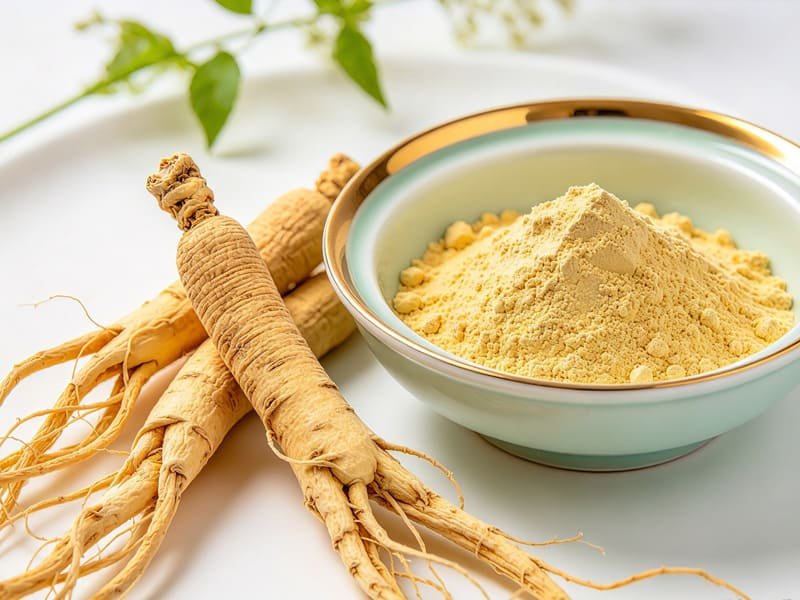
To grasp what sets Ginseng Peptide Powder apart, we must first look at the natural structure of the ginseng plant (a member of the botanical family Araliaceae). Historically, ginseng root gained fame as the “man-root” because its fork-like shapes resemble human limbs. Folk medicine believed this unique shape signaled an ability to rejuvenate the entire human body. However, inside whole raw roots, therapeutic phytochemicals and high-molecular-weight storage proteins remain tightly locked within dense plant cell walls.
Standard ginseng extract concentrates saponins (ginsenosides) through water or alcohol evaporation, but it leaves behind long, unhydrolyzed proteins. In stark contrast, Ginseng Peptide Powder is a concentrated hydrolysate created by enzymatically breaking down pure ginseng protein into short chains of amino acids. These fragments, containing between 2 and 15 amino acid links, are scientifically classified as oligopeptides.
The Crucial “Under 1,000 Daltons” Rule
Why do peptide scientists focus so intently on molecular mass? In biological nutrition, size dictates absorption. Intact plant proteins usually weigh between 20,000 and 100,000 Daltons. To absorb them, your stomach and intestines must break them down into individual amino acids, a process that expends considerable digestive energy and can result in nutrient loss.
When peptides are standardized so that the vast majority weigh less than 1,000 Daltons (≤1,000 Da), something remarkable happens. They do not depend on typical gastric breakdown. Instead, human intestinal cells absorb them directly using specialized, highly efficient peptide transporters known as PepT1. This shortcut allows them to enter your bloodstream intact and begin active biological work within 24 to 48 hours.
The Plant-Based “Vegetarian Collagen” Alternative
For decades, skincare brands and supplement makers relied almost entirely on bovine, porcine, or marine tissues to source collagen peptides. Today, wellness innovators recognize ginseng oligopeptides as an exceptional plant-derived counterpart. While ginseng peptide is technically a botanical protein hydrolysate, it carries unique messaging signals. Instead of just acting as basic protein building blocks, these peptides actively stimulate your fibroblasts, encouraging cells to rebuild their own structural collagen matrix.
“Ginseng peptides do not simply supply protein to your system; they act as molecular messengers, actively signaling resting cells to synthesize structural fibers, clear free radicals, and manage inflammatory stress.”
2. Botanical Sources and Species Comparison
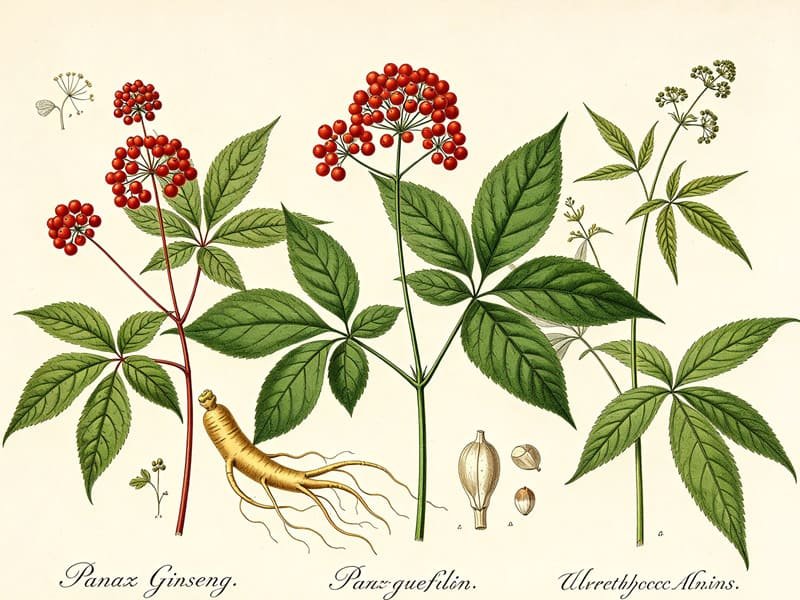
The term “ginseng” is used widely across the wellness market, yet different species carry distinct biochemical characteristics, therapeutic properties, and peptide profiles. If you are formulating a topical cosmetic or selecting a daily dietary supplement, knowing these differences is essential.
Asian Ginseng (Panax ginseng C.A. Meyer)
Often referred to as Korean or Chinese ginseng, Panax ginseng represents the most renowned and pharmacologically potent variety. In traditional classifications, Asian ginseng is considered “warm” in nature. It contains a diverse spectrum of saponin glycosides, termed ginsenosides, including Rg1, Rb1, Rc, and Rd. When enzymatically hydrolyzed, Panax ginseng yields potent peptides that invigorate circulation, counter physical exhaustion, and enhance cellular vitality.
American Ginseng (Panax quinquefolius L.)
Native to the hardwood forest floors of North America, particularly Wisconsin, American ginseng is revered for its soothing and cooling qualities. Research highlights its distinct ginsenoside balance, which excels at stabilizing blood glucose levels and defending upper respiratory health. High-grade American ginseng protein hydrolysates typically deliver impressive protein concentrations (≥85%), making them ideal for clean-label sports nutrition and clear recovery drinks.
The Critical Distinction: Siberian Ginseng (Eleutherococcus senticosus)
Consumers frequently confuse Siberian ginseng with genuine ginseng. However, as noted in major clinical encyclopedias like the University of Rochester Medical Center Encyclopedia, Siberian ginseng belongs to an entirely different botanical genus. While it functions as a helpful adaptogen, it contains eleutherosides instead of ginsenosides, and its protein profile differs fundamentally. It cannot produce authentic Panax oligopeptides.
Table 1: Comprehensive Comparison of Ginseng Species and Botanical Profiles
| Botanical Taxonomy | Common Name | Native Region | Primary Active Compounds | Traditional Energetics | Peptide Character |
|---|---|---|---|---|---|
| Panax ginseng C.A. Meyer | Asian / Korean Ginseng | Northeast China, Korea | Ginsenosides (Rg1, Rb1, Rd), Gintonin | Warm, stimulating, energizing | Rich in anti-aging, firming oligopeptides |
| Panax quinquefolius L. | American Ginseng | United States (Wisconsin), Canada | Ginsenosides (Rb1, Re), Polysaccharides | Cooling, calming, balancing | High protein (≥85%), clean neutral taste |
| Panax notoginseng | Sanqi / South China Ginseng | Yunnan, Guangxi (China) | Notoginsenosides, Flavonoids | Neutral, microcirculation focus | Vascular support and metabolic signaling |
| Eleutherococcus senticosus | Siberian Ginseng (Eleuthero) | Eastern Russia, Northern China | Eleutherosides B and E (No ginsenosides) | Mild, general adaptogen | Lacks authentic Panax oligopeptide sequences |
3. How Ginseng Peptide Powder is Made: Manufacturing and Synthetic Biology
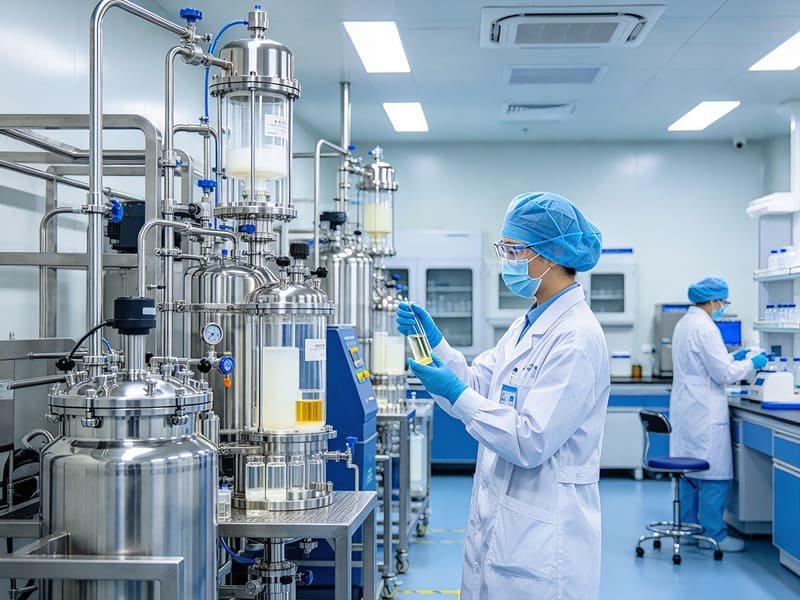
Transforming a dense, fibrous root into an ultra-pure, water-soluble powder requires sophisticated bio-refining. Reputable facilities avoid harsh chemical solvents, heavy acids, or high-temperature processing that scorch delicate amino acid chains. Instead, advanced processing relies on biomimetic enzymatic cleavage.
The Step-by-Step Clean Industrial Bioprocess
- Authentic Root Selection: Clean raw roots sourced from 5- to 6-year-old mature plants ensure peak biochemical maturity. Roots are thoroughly washed to eliminate soil impurities.
- Mild Aqueous Extraction: Clean water extracts botanical proteins and beneficial saponins without leaving chemical residues.
- Directed Multi-Enzyme Cleavage: Non-animal alkaline proteases cleave long protein chains at targeted peptide bonds. Operating under controlled conditions (typically 50°C, pH 8.2 for roughly 2.5 hours) prevents thermal degradation of key ginsenosides.
- Flocculation & Sedimentation: Mild food-grade flocculants remove insoluble starches and undigested plant fibers during a static chill phase at 4°C.
- Ceramic Membrane Ultrafiltration: Multi-stage membrane arrays isolate peptide fractions below the 1,000-Dalton threshold, removing bulky compounds.
- Purification & Phototoxin Control: Rigorous chromatographic cleanup ensures the powder is certified Not Detected (<0.1 ppm) for phototoxic psoralens and furocoumarins, meeting strict cosmetic guidelines.
- Vacuum Spray/Freeze Drying: Low-temperature drying produces a light-yellow, fine powder (100% passing through an 80-mesh sieve) with moisture content below 5.0%.
A New Horizon: Recombinant Peptides via Synthetic Biology
While field-grown root processing remains the commercial standard, peer-reviewed bioengineering research in Foods (MDPI) demonstrates another fascinating frontier: microbial biosynthesis. Scientists successfully introduced a tandem 14-amino acid ginseng peptide sequence (ETVEIIDSEGGGDA, designated 7RS14α) into Saccharomyces cerevisiae baker’s yeast.
Using a galactose-inducible promoter, engineered yeast cells secrete identical tetradecapeptides directly into the culture medium. This process yields over 95% pure peptide while drastically reducing production time and resource demands.
| Processing Dimension | Traditional Whole-Root Extraction | Industrial Enzymatic Hydrolysis | Yeast Synthetic Biosynthesis |
|---|---|---|---|
| Raw Material Cost | High (~CNY 2,000/kg 6-year root) | Moderate (Utilizes root and lateral rootlets) | Low (~CNY 50/L defined culture media) |
| Processing Timeline | 1 to 2 weeks | 2 to 4 days | 5 to 7 days fermentation cycle |
| Average Yield | Very low (~2g peptide per kg raw root) | High (≥80% concentrated peptide yield) | 10 to 20 mg/L (expanding via bioreactors) |
| Aqueous Clarity | Turbid, prone to sedimentation | 100% crystal clear, instantly soluble | Completely soluble recombinant isolate |
| Environmental Profile | Heavy solvent use, agricultural land impact | Clean-label green chemistry, water-based | Zero agricultural land load, closed loop |
4. Cellular and Molecular Mechanisms: How Ginseng Peptides Work
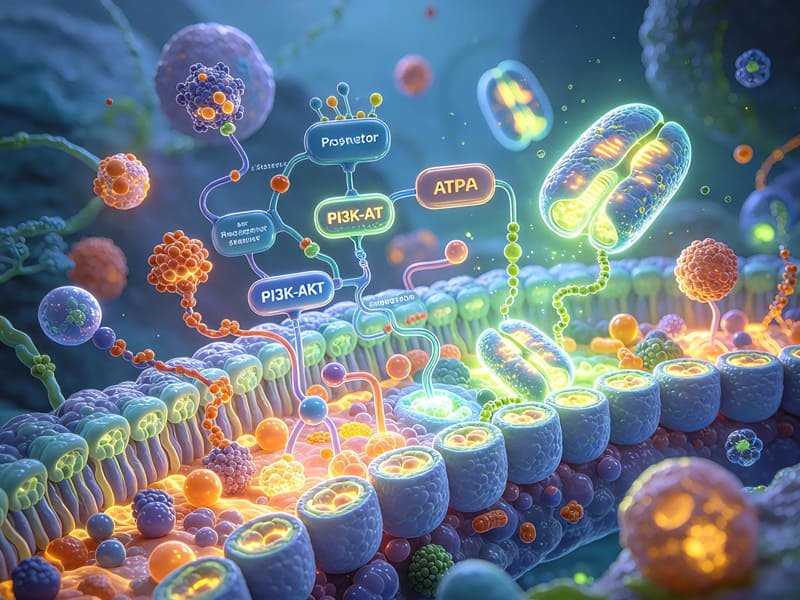
How does a simple amino acid sequence produce widespread therapeutic effects across the human body? Modern transcriptomic sequencing and network pharmacology reveal that ginseng oligopeptides interact with fundamental cellular survival networks.
1. Activation of the PI3K/AKT Signaling Cascade
The Phosphoinositide 3-kinase (PI3K) and Protein Kinase B (AKT) signaling axis serves as a primary control center for cell survival, protein synthesis, and cellular longevity. When cells experience thermal, chemical, or oxidative stress, this pathway often falters, leading to programmed cell death (apoptosis). Research published in Antioxidants (MDPI) confirms that ginseng peptides upregulate gene expression of both PIK3R1 and AKT1, helping cells preserve normal metabolism even under environmental strain.
2. Downregulation of the Apoptotic Factor FOXO1
Forkhead Box O1 (FOXO1) is a transcription factor deeply involved in oxidative stress, apoptosis, and tissue inflammation. When unmanaged, active FOXO1 migrates to the cell nucleus and triggers cell death programs. Ginseng oligopeptides promote AKT-dependent phosphorylation of FOXO1. This phosphorylation keeps FOXO1 safely sequestered in the cytoplasm, blocking destructive apoptotic signals and preserving cell viability.
3. Turning Down Pro-Inflammatory Regulators (NF-κB and p53)
In human skin fibroblasts and macrophages, ginseng peptides downregulate two primary drivers of inflammation: Nuclear Factor Kappa B (NF-κB) and the p53 tumor suppressor pathway. By modulating these switches, the peptides inhibit excessive release of tissue-destroying cytokines like Interleukin-6 (IL-6), Interleukin-1β (IL-1β), and Tumor Necrosis Factor-alpha (TNF-α).
4. Mitochondrial Protection and Cellular Energy (ATP)
Your mitochondria are the engines of cellular energy. When oxidative stress damages these organelles, their internal electrical gradient collapses—a loss measured as declining Mitochondrial Membrane Potential (MMP). Using JC-1 fluorescence assays, researchers observed that ginseng peptides preserve MMP stability, preventing mitochondrial collapse and driving robust Adenosine Triphosphate (ATP) generation.
5. Skincare, Collagens, and Anti-Aging Rejuvenation
Nowhere is the impact of ginseng peptides more evident than in dermatological science. As our skin ages, chronologic cellular exhaustion combines with UV exposure and everyday pollution to spark inflammaging—a state of chronic, low-grade inflammation that degrades collagen fibers and thins the skin barrier.
In rigorous studies published in Cosmetics (MDPI), researchers applied Ginseng Peptide Extract (GPE) to 3D full-thickness living human skin models and human dermal fibroblasts (HSFs). The results confirmed structural restoration across both the dermis and epidermis.
Stimulation of Multiple Collagen Types
Most commercial anti-aging products focus solely on standard Type I collagen. However, youthful, resilient skin relies on a complex mesh of diverse structural proteins. Ginseng peptides deliver comprehensive dermal support:
- Collagen Type I (+77.36% increase): Restores foundational tensile strength, filling deep expression lines and persistent wrinkles.
- Collagen Type III (+213.33% increase): Rebuilds youthful “baby collagen,” restoring bounce, suppleness, and elasticity.
- Collagen Type IV (+176.92% increase): Strengthens the delicate basement membrane zone that anchors the epidermis to the dermis.
- Collagen Type XVII (+146.15% increase): Fortifies hemidesmosomes, preventing stem cell exhaustion and maintaining dermal cohesion.
Simultaneously, ginseng peptides downregulate Matrix Metalloproteinase-1 (MMP-1), the enzymatic shears that slice through healthy collagen after sun exposure.
Restoring the Epidermal Skin Barrier
On the skin’s surface, healthy barrier function requires robust structural proteins. In 3D human epidermal models subjected to intense UVB irradiation, ginseng peptides significantly upregulated vital barrier building blocks:
- Filaggrin (FLG): Increased by +95.56%, restoring the skin’s natural moisturizing factors (NMF) and preventing moisture loss.
- Loricrin (LOR): Increased by +146.15%, reinforcing the cornified protective envelope.
- Transglutaminase-1 (TGM1): Surged by +207.69%, driving the lipid cross-linking required for barrier defense.
| Skin Biomarker | Biological Role in Healthy Skin | Observed Response with Ginseng Peptide | Primary Dermatological Benefit |
|---|---|---|---|
| Collagen Type I | Main structural framework of dermis | +77.36% Elevation | Fills deep facial wrinkles and restores density |
| Collagen Type III | Provides tissue elasticity and rebound | +213.33% Elevation | Restores youthful skin bounce and suppleness |
| Collagen Type IV | Stabilizes the dermal-epidermal junction | +176.92% Elevation | Enhances nutrient transfer between skin layers |
| Collagen Type XVII | Anchors epidermal stem cells to basement layer | +146.15% Elevation | Slows cellular aging and prevents skin thinning |
| MMP-1 Collagenase | Enzyme that breaks down healthy collagen | Significant Downregulation | Shields matrix from photoaging and UV damage |
| Filaggrin (FLG) | Precursor to Natural Moisturizing Factor | +95.56% Elevation | Locks in deep hydration and soothes dryness |
| Transglutaminase-1 | Catalyzes protective lipid envelope formation | +207.69% Elevation | Soothes reactive skin and rebuilds damaged barriers |
AI-Identified Peptide Sequences in Ginseng
Using advanced machine-learning algorithms (Hierarchical Statistical Mechanical modeling and the CAMP protein interaction system), bioinformaticians screened ginseng hydrolysates to isolate the specific peptide sequences responsible for these effects:
QK-14(QEGIYPNNDLYRPK): A 14-amino acid peptide that excels at stimulating collagen I and calming tissue inflammation.VK-15(VDCPTDDATDDYRLK): A 15-amino acid sequence with potent free-radical scavenging capacity.AE-16(ADEVVHHPLDKSSEVE): A 16-amino acid peptide that protects human fibroblasts against senescence-associated deterioration.
6. Metabolic Health, Blood Sugar, and Energy Regulation
Beyond cosmetic improvements, Ginseng Peptide Powder demonstrates profound regulatory effects on metabolic health. For individuals coping with erratic blood sugar swings, energy crashes, or insulin resistance, these small peptides provide safe, natural support.
Promoting Glucose Uptake in Insulin-Resistant Cells
In dexamethasone-induced insulin-resistant adipocyte models (3T3-L1 cells), researchers discovered that ginseng tetradecapeptides stimulate glucose transport directly into cells. Normally, insulin resistance prevents glucose from entering target tissues, leaving sugar circulating in the blood. Ginseng peptides restored glucose uptake to levels comparable to healthy, insulin-sensitive controls, functioning effectively as an insulin mimetic without triggering hypoglycemia.
Key Metabolic Genes Influenced by Ginseng Peptides
- Kcnk3: Regulates two-pore potassium channels across cell membranes. By balancing membrane potential, it improves how cells respond to metabolic signals.
- CD36 (Fatty Acid Translocase): Optimizes cellular fatty acid uptake, directing lipids toward productive oxidation rather than toxic accumulation.
- Car7 (Carbonic Anhydrase VII): Balances intracellular pH and bicarbonate supply, fine-tuning fatty acid synthesis.
- B4gat1: Enhances the O-glycosylation of cell-surface receptors, keeping insulin receptors sensitive to natural physiological cues.
Anti-Lipolytic Action and Lipid Management
Japanese researchers first discovered that aqueous ginseng peptides directly inhibit adrenaline-induced lipolysis—the uncontrolled breakdown of body fat into free fatty acids. By keeping free fatty acids in balance, ginseng peptides help safeguard liver function and protect vascular health. Clinical reviews in BuzzRx also show that ginseng supplementation decreases low-density lipoprotein (LDL) cholesterol while elevating protective high-density lipoprotein (HDL).
7. Immunity, Stamina, and Specialized Applications in Cryobiology

Historically hailed for restoring life force (Qi), ginseng shines as a true adaptogen: a natural compound that normalizes physiological function regardless of the direction of external stress. When broken down into bioavailable peptides, its immune and revitalizing properties become even more pronounced.
Immune System Defense and Vaccine Synergy
Ginseng peptides increase the number and activity of vital immune cells, including macrophages, natural killer (NK) cells, and helper T-cells. In randomized controlled trials evaluating seasonal illness, volunteers taking ginseng experienced fewer colds, milder symptoms, and faster recoveries.
Even more remarkably, one clinical trial revealed a 67% decrease in the incidence of colds and flu when ginseng supplementation accompanied seasonal influenza vaccination, demonstrating its capacity to prime immune memory.
Cognitive Clarity and Stress Adaptation
In our modern world, chronic psychological stress floods the brain with cortisol and reactive oxygen species, triggering brain fog and mental fatigue. Ginseng peptides protect vulnerable neurons against L-glutamate-induced oxidative injury and balance calcium ion influx. Animal and human trials confirm improvements in abstract thinking, mental processing speed, and memory retention, particularly when combined with synergistic botanicals like Ginkgo biloba.
A Modern Marvel: Semen Cryopreservation in Veterinary Science
One of the most compelling validations of ginseng peptide’s protective power comes from an unexpected field: reproductive cryobiology. Preserving high-value livestock semen (such as high-altitude Tibetan yak semen) in liquid nitrogen at -196°C routinely causes severe freeze-thaw damage: membrane fracture, mitochondrial failure, and DNA fragmentation.
A landmark 2026 study published in Antioxidants showed that adding a specific ginseng peptide hydrolysate (GFREH at 0.75 mg/mL) to the freezing medium produced transformative improvements:
- Significantly increased post-thaw sperm total motility (TM) and progressive forward motility (PM).
- Maintained membrane and acrosome structural integrity.
- Lowered toxic Malondialdehyde (MDA) lipid peroxides while boosting endogenous Superoxide Dismutase (SOD), Catalase (CAT), and Glutathione Peroxidase (GSH-Px).
- Maintained mitochondrial polarization and elevated ATP energy content.
- Directly increased in vitro fertilization (IVF) cleavage rates and blastocyst development.
| Experimental Target | Biological Challenge | Ginseng Peptide Concentration | Primary Measured Outcome |
|---|---|---|---|
| RAW264.7 Macrophages | Bacterial LPS Inflammatory Stress | 50 to 100 μg/mL | Direct suppression of TNF-α, IL-6, IL-1β, and Nitric Oxide |
| 3T3-L1 Adipocytes | Dexamethasone Insulin Resistance | 0.1 mg/mL (7RS14α peptide) | Full restoration of glucose uptake to insulin-sensitive levels |
| EpiKutis 3D Epidermis | High-Dose UVB (600 mJ/cm²) Damage | 1% (v/v) Peptide Extract | Up to +207% boost in barrier proteins; sunburn cell elimination |
| Yak Spermatozoa | Liquid Nitrogen Cryopreservation | 0.75 mg/mL (GFREH peptide) | Enhanced post-thaw motility, acrosome integrity, and IVF blastocyst yield |
8. Daily Dosage, Administration, and Easy Recipes

To enjoy the benefits of Ginseng Peptide Powder, consistency and correct dosing are key. Because it is completely water-soluble and virtually neutral in flavor compared to raw bitter root, integrating it into your daily wellness routine is effortless.
Standard Recommended Dosages
- Purified Ginseng Peptide Powder: Take 2 to 5 grams daily (roughly 1/2 to 1 level teaspoon). For peak absorption, take it with a light morning meal.
- Standardized Herbal Extracts: 200 mg to 600 mg daily.
- Traditional Raw Root Decoctions: 1 to 2 grams of dried root simmered in water, consumed 3 times daily.
The Cycling Rule: “3 Weeks On, 3 Weeks Off”
Because ginseng exerts powerful adaptogenic and stimulating effects on your adrenal pathways and neurotransmitters, medical herbalists advise against taking it continuously year-round. An ideal approach is cycling: take ginseng peptide powder daily for 3 to 4 weeks, followed by a 2 to 3-week break. This pause keeps cellular receptors responsive and prevents fatigue from over-stimulation.
Delicious Everyday Recipes
1. The Morning Vitality Tea
- 1/2 teaspoon of Ginseng Peptide Powder
- 1 cup hot (not boiling) filtered water (approx. 80°C / 175°F)
- 1 teaspoon raw honey and a slice of fresh lemon
- Preparation: Whisk the powder into hot water for 30 seconds until fully dissolved. Add honey and lemon. Drink slowly to kickstart morning focus.
2. Adaptogenic Golden Wellness Latte
- 1 level teaspoon of Ginseng Peptide Powder
- 1 cup warm oat milk, almond milk, or coconut milk
- 1/2 teaspoon ground turmeric and a pinch of ground cinnamon
- 1 teaspoon organic maple syrup or honey
- Preparation: Blend all ingredients on high for 45 seconds until smooth and frothy. Pour into a mug for a soothing afternoon energy lift.
3. High-Protein Recovery Smoothie
- 1 rounded teaspoon (approx. 5 grams) of Ginseng Peptide Powder
- 1 scoop plant-based or whey protein powder
- 1 frozen banana, 1/2 cup fresh blueberries, and 1 cup baby spinach
- 1.5 cups coconut water or cold water
- Preparation: Blend until velvety smooth. Enjoy within 45 minutes of completing physical exercise to support muscle recovery and clear lactic acid.
At-Home Topical Skincare Formulations
Because pure ginseng peptide powder penetrates skin easily, you can create fresh, preservative-free treatments at home:
- Rejuvenating Face Mask: Blend 1/2 teaspoon of ginseng peptide powder with 1 tablespoon of plain Greek yogurt and 1 teaspoon of raw honey. Apply evenly to cleansed skin, relax for 15 minutes, and rinse with lukewarm water to reveal bright, hydrated skin.
- Active Barrier Glow Serum: Dissolve 1/4 teaspoon of peptide powder into 2 tablespoons of pure aloe vera gel, adding 3 drops of jojoba or squalane oil. Pat gently onto damp face and neck prior to applying moisturizer.
9. Safety, Side Effects, and Drug Interactions
Ginseng peptide powder boasts an exceptional safety profile, but it remains a biologically potent botanical adaptogen. Responsible supplementation requires understanding possible side effects, contraindications, and prescription interactions.
Common Side Effects
Most people tolerate ginseng peptides effortlessly. However, sensitive individuals or those taking excessively high doses may experience mild reactions:
- Restlessness, nervous excitation, or difficulty falling asleep (insomnia), especially if taken late in the evening.
- Mild temporary headaches or lightheadedness.
- Digestive changes, including minor nausea or loose stools.
- Sudden drops in blood sugar (hypoglycemia) if taken on an empty stomach without adequate food.
Who Should Avoid Ginseng Peptides?
- Pregnant and Breastfeeding Women: Ginseng components can exert mild estrogen-mimetic effects and influence fetal development; use is strictly discouraged.
- Young Children: Herbal adaptogens should not be administered to children unless directed by a qualified physician.
- Individuals with Hormone-Sensitive Conditions: Because ginseng can interact with estrogen receptors, patients with a history of breast cancer, uterine fibroids, or endometriosis should exercise caution.
- Individuals with Autoimmune Conditions: Strong immune stimulants may exacerbate conditions like Rheumatoid Arthritis, Lupus (SLE), or Crohn’s Disease.
- Patients Scheduled for Surgery: Ginseng exhibits mild antiplatelet activity. Stop all consumption at least 7 days before any surgical or dental procedure to prevent bleeding complications.
| Medication Category | Common Examples | Interaction Mechanism | Clinical Risk & Recommendation |
|---|---|---|---|
| Anticoagulants / Antiplatelets | Warfarin, Aspirin, Heparin, Clopidogrel | Ginseng inhibits platelet aggregation and may alter drug clearance | Elevated risk of bruising or bleeding. Frequent INR monitoring required. |
| Antidiabetic Medications | Insulin, Metformin, Glipizide | Additive hypoglycemic activity boosts glucose disposal | Danger of blood sugar dropping too low. Close glucose tracking advised. |
| Antidepressants (MAOIs) | Phenelzine, Tranylcypromine | Synergistic excitation of central nervous system neurotransmitters | Can provoke tremors, headaches, insomnia, or manic episodes. Avoid use. |
| Immunosuppressive / Antivirals | Imatinib (Oncology), Raltegravir (HIV) | Alters hepatic cytochrome P450 enzymes and drug transport | May increase serum drug concentrations, heightening risk of liver toxicity. |
| Antiarrhythmics | Amiodarone, Thioridazine | Electrophysiological interactions affecting heart rhythm | May heighten risk of irregular heartbeats or palpitations. Avoid combination. |
10. Frequently Asked Questions (FAQ)
Q1: What is the main difference between ginseng powder and ginseng peptide powder?
Standard ginseng powder consists simply of dried, pulverized root containing large proteins, insoluble cellulose, and raw starches that dissolve poorly in water and digest slowly. Ginseng peptide powder undergoes advanced enzymatic hydrolysis to isolate tiny, purified protein chains under 1,000 Daltons. These peptides dissolve completely clear in liquid and enter the bloodstream via PepT1 transporters within hours.
Q2: Can ginseng peptides really rebuild lost collagen in aging skin?
Yes. Laboratory assays using 3D human skin models demonstrate that ginseng peptides stimulate fibroblasts to synthesize Collagen Type I (+77%), Type III (+213%), Type IV (+176%), and Type XVII (+146%). They also suppress MMP-1, the primary enzyme responsible for breaking down healthy collagen after sun exposure.
Q3: Does the enzymatic process destroy active ginsenosides?
No. When conducted under gentle, low-temperature conditions (50°C, pH 8.2), enzymatic hydrolysis preserves natural ginsenosides (such as Rg1, Rb1, and Rd). High-quality commercial ginseng peptide powder typically retains 5% to 15% active ginsenosides alongside its concentrated oligopeptides, providing powerful dual-action benefits.
Q4: How does ginseng peptide powder affect blood sugar levels?
Ginseng peptides exhibit beneficial insulin-mimetic properties. In cellular studies, they activate the PI3K/AKT pathway, driving glucose directly into insulin-resistant cells without causing sudden blood sugar spikes. However, individuals taking prescription diabetes medications should monitor their levels carefully to prevent hypoglycemia.
Q5: How long does it take to see visible results from ginseng peptides?
Digestive absorption, cellular energy, and antioxidant benefits occur within 24 to 48 hours. For structural anti-aging results—such as firmer skin, diminished fine lines, and strengthened skin barriers—clinical studies indicate that 4 to 8 weeks of consistent daily use is needed to allow your skin to complete a full cellular renewal cycle.
Q6: Can I mix ginseng peptide powder into hot coffee or boiling soup?
Yes. Unlike large proteins that curdle or break down when heated, low-molecular-weight oligopeptides feature exceptional thermal stability. You can stir them into hot tea, morning coffee, or simmering broths without compromising their nutritional potency.
Q7: What does high-purity ginseng peptide powder taste like?
Raw ginseng root has an intensely bitter, earthy taste. High-grade enzymatically cleaved peptide powder eliminates most of these bitter compounds. It offers a mild, slightly nutty, neutral flavor profile that blends easily into smoothies, functional beverages, and baked goods without overpowering other ingredients.
Q8: How do I know my ginseng peptide powder is pure and authentic?
Authentic ginseng peptide powder should dissolve completely in room-temperature water without clumping or leaving sandy sediment at the bottom of your glass. Always verify that your supplier provides a third-party Certificate of Analysis (COA) confirming molecular mass (≤1,000 Da), high protein content (≥80%), non-detectable phototoxic psoralens, and strict heavy metal safety (lead and arsenic below 2.0 ppm).
Q9: Is ginseng peptide powder safe for people with high blood pressure?
Ginseng exhibits a nuanced, dose-dependent effect on blood pressure. Regular, modest amounts often promote mild vasodilation and support healthy circulation, while very high or uncontrolled doses can cause blood pressure spikes in sensitive individuals. Anyone diagnosed with severe hypertension should consult their physician before starting supplementation.
11. Conclusion: Embracing the Future of Botanical Science
Ginseng’s journey from an ancient woodland folk remedy to a precision-engineered bioactive peptide marks an exciting evolution in natural wellness. By moving past unrefined root powders and tapping into the power of small-molecule oligopeptides (≤1,000 Da), modern science has solved the age-old challenges of poor absorption, physical turbidity, and harsh bitterness.
Whether you are formulating luxury skincare products to restore Type III “baby collagen,” developing clean functional recovery beverages, or personalizing your daily wellness routine, Ginseng Peptide Powder delivers validated biological benefits. It fights everyday inflammaging, restores mitochondrial energy, balances cellular glucose, and rebuilds vital tissue barriers from within.
At Botanical Extract Factory, we believe truly transformative wellness products begin at the source. Operating dedicated, solvent-free enzymatic bio-cleavage lines, our team partners with premium growers to produce fully standardized, water-soluble Ginseng Peptide Powder verified under stringent chromatographic standards. If you are developing forward-thinking wellness or cosmetic formulations, we are always here to provide technical dossiers, analytical insights, and pilot samples to bring your product visions to life.