
1. What is Cypress Oil? Molecular Identity and Core Fundamentals
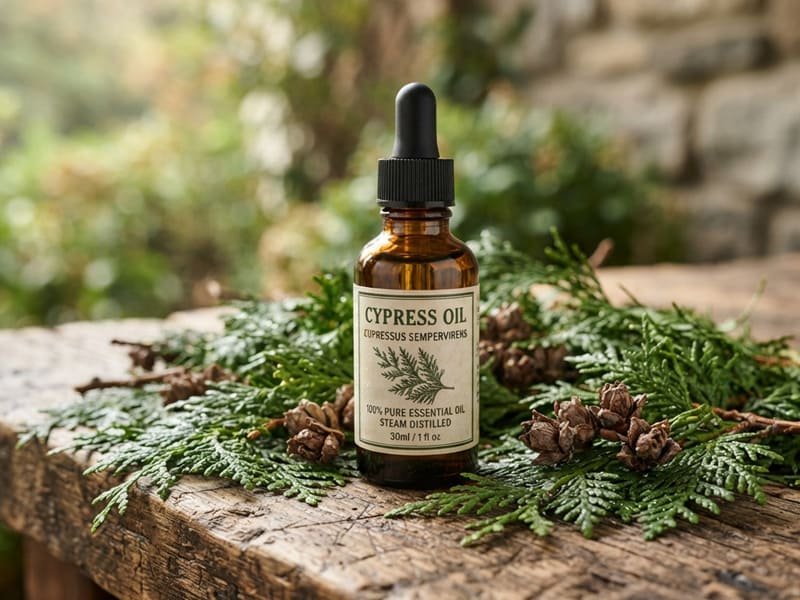
To grasp what Cypress Oil truly is, we must look at how nature builds its defense systems. Cypress Oil is a volatile, concentrated essential oil derived primarily from the Mediterranean cypress tree, known botanically as Cupressus sempervirens. Unlike cold-pressed carrier oils that contain heavy fatty acids, Cypress Oil is an aromatic essence captured through water vapor distillation. It contains zero fatty triglycerides; instead, it is an intricate cocktail of lightweight, highly active aromatic molecules called terpenes.
Historically, therapists classified Cypress Oil as an astringent, drying, and purifying tonic. When inhaled or diluted over the skin, it produces a clear, refreshing sensation. It does not feel greasy. Rather, it evaporates cleanly, leaving behind a subtle, resinous forest scent that cleanses stale air and balances excess bodily moisture.
Physical and Sensory Characteristics
- Visual Appearance: A water-thin, mobile liquid that ranges from crystal clear to a delicate pale yellow or light olive tint.
- Aroma Profile: Fresh, green, dry-woody, and coniferous. It carries a clean pine-like sharpness with sweet, balsamic, and faintly spicy undertones.
- Perfumery Classification: Functions primarily as an aromatic middle note. It acts as a structural bridge, connecting bright, fleeting citrus top notes with deep, lingering base resins.
- Comedogenic Profile: As a distilled volatile oil, it carries a comedogenic rating of 0, meaning it will not clog sebaceous pores when blended into non-comedogenic carrier oils.
“Cypress Oil acts as nature’s structural column: it tightens what is slack, drains what is stagnant, and steadies what is overwhelmed.”
2. Botanical Origins, History & Ancient Folklore

The tree behind true Cypress Oil is Cupressus sempervirens, a prominent member of the conifer family Cupressaceae. Recognizable across the Mediterranean by its flame-like, columnar shape, this tree grows between 12 and 35 meters tall. Its branches stay tightly packed against its trunk, covered in tiny, scale-like leaves that remain deep green through scorching summers and freezing winters. The Latin species name, sempervirens, translates directly to “ever-living” or “lives forever.” This is no exaggeration: wild cypress trees in regions like Iran, Greece, and Italy routinely live for over a thousand years, with some ancient specimens dating back more than two millennia.
Sacred Timber and Mourning Rites
Throughout ancient civilizations, the cypress tree was revered as an emblem of immortality, spiritual transformation, and solace:
- Ancient Egypt: Because the wood resists moisture, decay, and insects, Egyptian craftsmen used cypress timber to build sarcophagi for pharaohs. The oil was burned during sacred embalming rites to purify the air and guide souls safely into the afterlife.
- Classical Greece and Rome: Cypress trees were dedicated to the gods of the underworld, notably Hades (Pluto). Greek legend tells the story of Cyparissus, a beloved youth who accidentally killed his tame stag. Heartbroken, he pleaded with Apollo to let him grieve forever; Apollo granted his wish by transforming him into a cypress tree, making the tree an enduring international symbol of comfort in times of bereavement.
- Biblical Accounts: Cypress wood is referenced throughout the Old Testament, specifically in Isaiah 41:19 as a symbol of divine restoration in barren lands. Many historical scholars also note that durable conifer timber was essential for biblical shipbuilding and temple doors.
Traditional Pharmacopeias Across Cultures
Early medical practitioners valued the tree’s powerful astringency. Ancient Assyrian tablets from over two thousand years ago document cypress leaves as a standard treatment for bleeding hemorrhoids. The famous Greek physician Galen (165 AD) prescribed cypress decoctions to halt internal diarrhea, soothe heavy menstrual bleeding, and stop wound hemorrhage. Centuries later, English herbalist Nicholas Culpepper confirmed these observations, noting that cypress cones were exceptionally drying and binding. In traditional Chinese medicine, practitioners used cypress cones to strengthen Qi, clear phlegm from the lungs, and support liver health.
| Botanical Name | Common Name | Native Growing Region | Distilled Plant Part | Historical Sacred Role | Traditional Therapeutic Use |
|---|---|---|---|---|---|
| Cupressus sempervirens | Mediterranean / Italian Cypress | Southern Europe, North Africa | Needles, Twigs, Cones | Funerary sarcophagi, symbol of immortality | Vein toning, stopping bleeding, easing grief |
| Juniperus communis | Juniper Berry | Northern Europe, North America | Fleshy ripe berries | Cleansing incense, warding off illness | Fluid retention, kidney tonic, gout |
| Cedrus atlantica | Cedarwood Atlas | Atlas Mountains (Morocco) | Wood and sawdust | Temple construction, sacred cosmetics | Lymphatic drainage, calming nerves, chest coughs |
| Pinus sylvestris | Scots Pine | Eurasian forests | Needles and young twigs | Air purification, winter warmth | Bronchial congestion, fatigue, muscle aches |
3. The Botanical Matrix: Distinguishing Cypress Oil from Lookalikes

Walk down any essential oil aisle, and you will see the word “Cypress” on multiple bottles. However, not every oil labeled cypress comes from the same plant. Beginners and commercial buyers alike can easily confuse completely different botanical extracts. Knowing the difference between these species ensures you achieve the exact wellness benefits you want while avoiding safety issues.
1. True Mediterranean Cypress (Cupressus sempervirens)
This is the definitive benchmark oil discussed throughout traditional aromatherapy texts. Distilled primarily in France, Spain, and Morocco, this pale yellow liquid is rich in alpha-pinene and carene. It is the premier choice for toning varicose veins, balancing oily skin, soothing muscle cramps, and supporting emotional transitions.
2. Australian Blue Cypress (Callitris intratropica)
Known as “Blue Gold,” this oil comes from a completely different genus native to Australia’s Northern Territory. Aboriginal communities used it for centuries as an insect repellent and skin wash. Unlike Mediterranean cypress, Blue Cypress oil is distilled from the tree’s wood and bark over a long 48-hour steam process. During distillation, chemical reactions create a natural compound called guaiazulene, giving the oil an eye-catching cobalt blue color. It smells woody, smoky, and slightly sweet, making it famous as the official body and massage oil of the 2000 Sydney Olympic Games.
3. Japanese Hinoki Cypress (Chamaecyparis obtusa)
Hinoki is a revered Japanese conifer used for centuries to build Shinto shrines and relaxing onsen hot spring baths. Its oil has a softer, drier, lemon-tinted wood aroma. Hinoki is prized specifically for indoor shinrin-yoku (forest bathing), encouraging deep meditative breathing and evening sleep, but it lacks the strong vasoconstrictive vein-toning properties of Mediterranean cypress.
4. Cypriol / “Cyprus Oil” (Cyperus scariosus)
Do not let the spelling fool you: “Cyprus oil” or Cypriol is not a tree oil at all. It is steam-distilled from the root tubers of a riverbed sedge (nutgrass). It smells dark, earthy, smoky, and spicy—resembling patchouli or vetiver—and is used for digestive tonic formulas and oriental perfumery.
5. Arizona Cypress (Cupressus arizonica): A Safety Warning
Certain wild conifer trees should never be distilled for aromatherapy. The essential oil from Cupressus arizonica contains a harsh, toxic ketone that irritates mucous membranes and skin. Professional formulators always verify that their supplier provides genuine Cupressus sempervirens.
| Common Commercial Name | Full Botanical Binomial | Native Geographic Origin | Plant Part Used | Color & Scent Profile | Primary Distinguishing Use |
|---|---|---|---|---|---|
| Mediterranean Cypress | Cupressus sempervirens | Mediterranean (France/Spain) | Needles & leafy twigs | Pale yellow; crisp, dry, pine-woody | Vein toning, astringent skin care, cough relief |
| Australian Blue Cypress | Callitris intratropica | Australia (Northern Territory) | Heartwood & bark | Cobalt blue; sweet, smoky, fruity-woody | Topical inflammation, soothing joints, insect repellent |
| Japanese Hinoki | Chamaecyparis obtusa | Japan | Wood & root flakes | Clear/pale; soft, dry, lemon-wood | Forest bathing (shinrin-yoku), relaxation, onsen baths |
| Cypriol (Cyprus Oil) | Cyperus scariosus | India, Southeast Asia | Root tubers (sedge plant) | Dark amber; heavy, smoky, earthy-spicy | Digestive formulas, exotic base perfumery |
4. Phytochemical Fingerprint & Pharmacological Drivers

When analytical chemists test pure Cypress Oil using Gas Chromatography-Mass Spectrometry (GC-MS), they discover that over 65% to 85% of the oil consists of monoterpene hydrocarbons. These tiny, lightweight molecules pass quickly into the air and penetrate dermal tissues with ease. Working together, these compounds create the oil’s distinctive therapeutic actions.
Primary Chemical Constituents
- Alpha-Pinene (40.0% to 65.0%): The dominant chemical component in high-grade Mediterranean cypress oil. Alpha-pinene gives conifer forests their crisp aroma. Pharmacologically, it is a proven natural bronchodilator that opens congested airways, neutralizes airborne microbes, and calms tissue swelling.
- Delta-3-Carene (15.0% to 27.0%): A sweet, pungent terpene with a scent reminiscent of pine needles and damp earth. Delta-3-carene is responsible for Cypress Oil’s famous drying action: it helps reduce excessive sweating, dries up runny nasal mucus, and acts as a strong tissue astringent.
- Cedrol (1.0% to 7.0%): A natural sesquiterpene alcohol that lends depth and warmth to the aroma. Cedrol acts as a natural fixative in perfumery and provides gentle vascular-toning, calming, and antispasmodic qualities.
- Limonene (1.5% to 5.0%): A bright monoterpene that lifts mood, scavenges free radicals, and helps other therapeutic molecules absorb through the skin.
- Camphene (1.0% to 4.0%): A volatile compound with natural antiseptic and antifungal properties. Laboratory studies show camphene helps soothe coughing spasms and protects minor cuts from bacterial growth.
- Terpinolene and Alpha-Terpinyl Acetate: Secondary esters and terpenes that contribute smooth balsamic nuances and relax tight muscles.
Why Oil Freshness Matters: The Science of Oxidation
Because Cypress Oil is packed with natural monoterpenes, it has one vulnerability: exposure to oxygen, heat, and sunlight causes those double chemical bonds to oxidize over time. When monoterpenes oxidize, they turn into sensitizing peroxides that can irritate sensitive skin and cause red rashes.
Fresh, properly stored Cypress Oil is gentle, non-phototoxic, and rarely causes skin irritation. To keep your oil in peak condition, always store it in dark amber glass bottles with the cap tightly sealed, kept away from heat in a cool cupboard or refrigerator. A fresh bottle maintains its therapeutic quality for 1 to 3 years.
| Chemical Molecule | Chemical Family | Observed Percentage Range | Aromatic Contribution | Primary Therapeutic Action |
|---|---|---|---|---|
| α-Pinene | Monoterpene Hydrocarbon | 40.0% – 65.0% | Fresh, crisp, coniferous pine | Opens airways, fights bacteria, reduces inflammation |
| δ-3-Carene | Monoterpene Hydrocarbon | 15.0% – 27.0% | Sweet, pungent, cedar-forest | Astringent, dries excess fluid, clears mucous |
| Cedrol | Sesquiterpenol (Alcohol) | 1.0% – 7.0% | Dry, woody, warm balsamic | Vascular toning, fixative, calms the nervous system |
| Limonene | Monoterpene Hydrocarbon | 1.5% – 5.0% | Light, sparkling, citrus-fresh | Antioxidant, enhances transdermal absorption |
| Camphene | Monoterpene Hydrocarbon | 1.0% – 4.0% | Herbal, camphoraceous, pungent | Antiseptic, calms coughs, fights fungal pathogens |
| α-Terpinyl Acetate | Monoterpene Ester | 1.0% – 4.5% | Spicy, sweet, herbaceous nuance | Antispasmodic, eases cramps and tension |
5. Therapeutic Benefits: Circulatory & Vascular System

If you ask clinical aromatherapists to name Cypress Oil’s most famous superpower, they will immediately point to circulation and vein health. For generations, holistic medicine has turned to this conifer as a natural vasoconstrictor and venous decongestant.
Strengthening Weakened Vein Walls (Varicose and Spider Veins)
Healthy veins rely on tiny, one-way valves that pump blood back up toward your heart. When these valves stretch or weaken, blood pools in the lower legs, creating swollen, twisted varicose veins and web-like purple spider veins. While essential oils cannot magically erase severe structural vein damage overnight, Cypress Oil offers remarkable daily comfort:
- Toning Vascular Elasticity: Active monoterpenes stimulate blood vessel tissues, helping support natural vein wall contraction and encouraging upward venous return.
- Easing Throbbing and Heaviness: Applying diluted Cypress Oil relieves the painful, dull ache and burning heat often felt around swollen veins.
- Application Technique: Always dilute Cypress Oil in a gentle carrier like jojoba or almond oil. Smooth the oil upward from your ankles toward your heart using long, light strokes. Never press hard or deeply massage directly over inflamed, tender varicose veins.
Relief for Heavy, Tired Legs
Do your legs feel like lead weights at the end of a long workday? Nurses, retail workers, teachers, and frequent travelers often suffer from sluggish circulation after hours on their feet. A light leg rub using Cypress Oil and carrier oil provides noticeable relief within 15 to 20 minutes, easing swollen ankles and restoring a refreshed, light feeling.
Draining Trapped Fluids and Smoothing Cellulite
As a natural diuretic and lymphatic stimulant, Cypress Oil helps your body mobilize stagnant fluids trapped beneath skin tissues. When poor circulation and fluid retention combine with fat deposits, the skin takes on an uneven, dimpled texture commonly known as cellulite. Massaging the thighs, hips, and abdomen with a blend of Cypress, Grapefruit, and Juniper Berry oils encourages lymphatic drainage, smooths skin contours, and firms loose tissue.
Comfort for Hemorrhoids
Hemorrhoids are simply swollen, inflamed veins located around the rectum. Drawing on centuries of folk medicine, adding a few drops of pre-diluted Cypress Oil to a warm sitz bath helps contract enlarged vascular tissue, reduces stinging inflammation, and provides soothing comfort.
6. Dermatological & Grooming Science: Skin, Hair & Beard
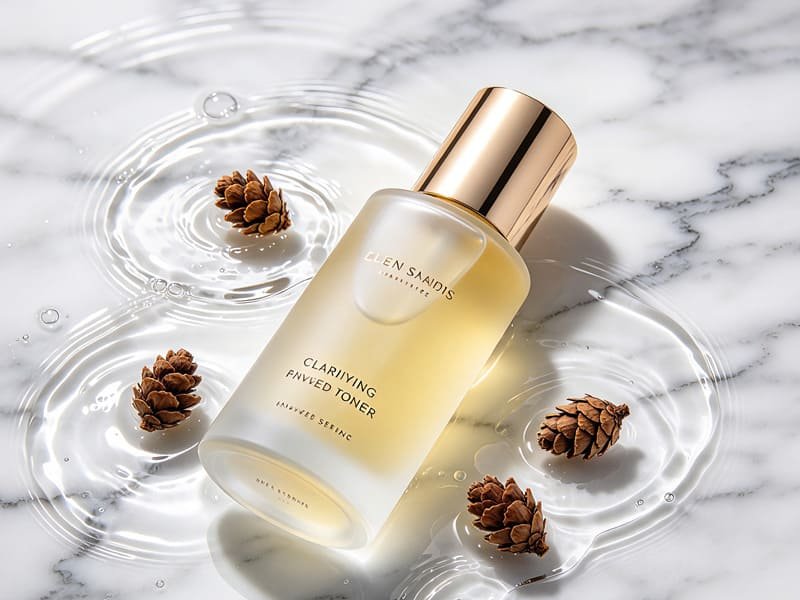
In modern clean cosmetics, formulators search for ingredients that control greasy shine without stripping the skin’s protective acid mantle. Cypress Oil is a natural astringent powerhouse that restores balance to troubled, congested complexions.
Natural Sebum Balancing and Pore Tightening
Unlike harsh alcohol-based toners that dry out skin and trigger rebound oil production, Cypress Oil works in harmony with sebaceous glands. Its natural astringent qualities gently contract loose skin tissues, minimize the look of enlarged pores, and balance excess sebum across shiny T-zones, leaving skin with a clean, smooth, matte finish.
Clearing Blemishes and Acne Breakouts
Acne develops when trapped sebum mixes with dead skin cells and bacteria. Laboratory research confirms that Cypress Oil possesses antimicrobial properties that inhibit surface bacteria like Cutibacterium acnes and Staphylococcus. Adding a single drop to your nightly moisturizer helps calm redness, dry up blemishes, and soothe painful pimples.
Essential Care for Men’s Grooming and Shaving
A man’s skin is roughly 25% thicker than a woman’s and produces up to 60% more natural sebum, making it more prone to enlarged pores, blackheads, and ingrown hairs. Shaving everyday strips away top skin layers, leaving skin red and sensitive. Cypress Oil transforms men’s grooming routines:
- Soothing Razor Burn: Blending Cypress Oil into witch hazel or aloe creates an alcohol-free aftershave that calms burning, cools irritation, and prevents razor bumps.
- Stopping Shaving Nicks: Its natural hemostatic qualities help constrict tiny broken capillaries, stopping bleeding from minor shaving cuts quickly.
- Eliminating Beard Dandruff: “Beardruff” occurs when dry, irritated skin under facial hair flakes off. Massaging a cypress beard oil into the skin beneath your beard hydrates dry roots, halts flaking, and adds a rugged forest scent.
Scalp Health and Managing Unwanted Hair Regrowth
When massaged into the scalp, Cypress Oil stimulates blood circulation around hair roots while clearing excess oil plugs and soothing dandruff. Interestingly, in cosmetic hair-removal routines, applying diluted Cypress Oil post-waxing or post-shaving has been shown to help slow down unwanted hair regrowth over time by calming active hair follicles.
Clean, Aluminum-Free Deodorant Protection
Body odor is not caused by fresh sweat; it happens when skin bacteria feast on moisture. Because Cypress Oil is both antisudorific (naturally reducing excessive sweating) and antibacterial, it makes a premier active ingredient in natural deodorants, eliminating odor-causing bacteria at the source.
7. Musculoskeletal & Neuromuscular Relief

Whether caused by strenuous athletic workouts, long hours typing at a desk, or stress, tight muscles can make everyday tasks exhausting. Cypress Oil features verified antispasmodic and analgesic properties that help calm hyperactive neuromuscular tension.
Soothing Involuntary Spasms and Cramps
An antispasmodic works by relaxing sudden, involuntary muscle contractions. When muscles seize up into painful cramps—such as nighttime charley horses in the calves—massaging the area with diluted Cypress Oil relaxes muscle fibers, eases localized nerve distress, and restores mobility.
Comfort for Restless Leg Syndrome (RLS)
Restless Leg Syndrome is a frustrating neurological condition marked by uncontrollable urges to move the legs, accompanied by deep pulling, aching, or throbbing sensations. Studies and clinical aromatherapists highlight that evening massages using Cypress Oil, Sweet Marjoram, and Lavender calm these involuntary twitching sensations, helping individuals fall asleep peacefully.
Overuse Injuries: Carpal Tunnel and Tendon Strain
Carpal tunnel syndrome develops when repetitive hand movements cause fluid buildup and swelling inside the narrow wrist tunnel, compressing the median nerve. Cypress Oil’s diuretic and circulation-boosting actions help reduce trapped fluid in the wrist, easing nerve pressure and softening morning hand stiffness.
Easing Painful Menstrual Spasms (Dysmenorrhea)
During menstruation, uterine muscle cramps can radiate into the lower back and thighs. Massaging a warm blend of Cypress, Clary Sage, and Lavender over the lower abdomen relaxes cramping smooth muscle tissue while reducing premenstrual water retention and bloating.
8. Respiratory Support & Immune Defense

When winter colds, seasonal flu, or springtime pollen allergies strike, breathing can become a struggle. Cypress Oil has served as a trusted respiratory decongestant and cough remedy since the days of ancient Greece.
Soothing Spasmodic and Hacking Coughs
Cypress Oil acts as a natural antitussive, meaning it helps calm the cough reflex. When inhaled, its active camphene and pinene vapors soothe irritated, hypersensitive nerve endings in the throat and larynx, quieting hacking, unproductive coughs and easing spasms associated with bronchitis and whooping cough.
Clearing Bronchial Phlegm and Blocked Sinuses
In addition to calming cough spasms, Cypress Oil serves as a mild expectorant. It helps thin thick, sticky mucus in the bronchial tubes and nasal cavities, making it easier for your body to clear congestion. Practicing steam inhalation with a couple of drops of Cypress Oil opens stuffy sinuses and eases heavy chest tightness.
Antimicrobial Power: Fighting Bacteria and Biofilms
Scientific research published in peer-reviewed journals shows that Cypress Oil exhibits strong antimicrobial action against various bacterial strains, including Escherichia coli and Staphylococcus aureus. Even more remarkably, laboratory studies demonstrate that Cypress Oil can help disrupt stubborn bacterial biofilms—slimy clusters of bacteria that stick to surfaces and resist standard cleansers.
Antiviral Defenses for Cold Sores
A university study evaluating botanical extracts against the Herpes Simplex Virus Type 1 (HSV-1) discovered that natural oils from the cypress family demonstrated potent antiviral inhibitory effects. Blending a drop of diluted Cypress Oil into a natural lip balm helps calm tingling sensations and speeds the healing of stubborn cold sores.
9. Neuro-Aromatherapy, Emotional Resilience & Forest Bathing

Essential oils do not just impact our physical bodies; when inhaled, scent molecules travel directly to the olfactory bulb and engage the brain’s limbic system—the control center for emotions, memories, and stress hormones. In emotional aromatherapy, Cypress Oil is celebrated as the ultimate oil of transition and composure.
Comfort During Times of Grief and Major Life Change
Throughout centuries of grief and bereavement, therapists have turned to Cypress Oil to support grieving hearts. Unlike heavy floral oils like rose, which can sometimes feel too overwhelming when wounds are fresh, Cypress offers quiet, sturdy strength. It helps steady uncontrollable weeping, eases emotional shock, and grounds scattered thoughts.
It is equally helpful during major life transitions: going through a divorce, moving to a new city, switching careers, or experiencing empty-nest syndrome. Its grounded wood notes help individuals release feelings of stagnation, let go of past regrets, and embrace change with courage.
Bringing “Forest Bathing” (Shinrin-Yoku) Indoors
In Japan, the practice of shinrin-yoku, or “forest bathing,” is a scientifically recognized medical practice. Japanese researchers discovered that trees release airborne antimicrobial compounds called phytoncides (predominantly terpenes like alpha-pinene). Breathing in these tree vapors lowers salivary cortisol, reduces resting blood pressure, and activates the parasympathetic (rest-and-digest) nervous system. Diffusing Cypress Oil brings the documented benefits of an outdoor forest walk right into your living room.
Clearing Office Brain Fog and Computer Static
Working long hours under fluorescent lights in front of glowing computer monitors exposes workers to excessive positive ions and screen fatigue, leading to dull headaches and brain fog. Diffusing Cypress Oil refreshes indoor air, clears mental clutter, and helps workers stay alert and focused throughout the afternoon slump.
10. Perfumery Architecture & Accord Formulation
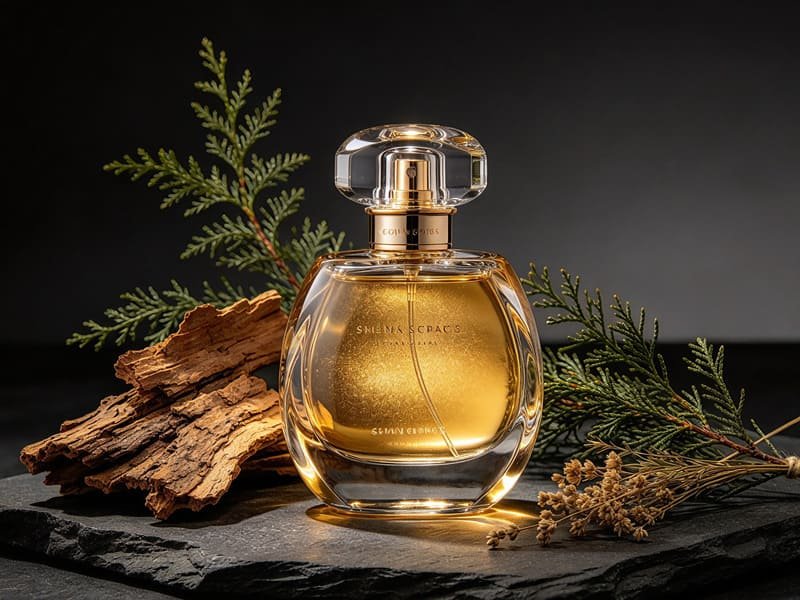
In fine fragrance design, master perfumers regard Cypress Oil as an architectural secret weapon. Rather than shouting as a dominant note, it provides what perfumers call a “vertical column of scent”—a clean, uplifting, upright woodiness that supports and extends other fragrance ingredients without turning sweet or muddy.
The Structural Role of a Classical Middle Note
Typically used at concentrations between 0.5% and 3.0% of a finished fragrance formula, Cypress Oil acts as an aromatic modifier. It opens with sharp, terpenic freshness, transitions into a dry-green heart, and finishes as a lingering, resinous wood base that stays detectable on skin for 4 to 8 hours.
Classic Fragrance Accords
- Chypre Accords: Blends with Bergamot, Labdanum, and Oakmoss to evoke Mediterranean forests and sun-baked coastal hillsides.
- Fougère Accords: Pairs with Lavender, Geranium, and Coumarin to lend authentic, crisp barbershop freshness to masculine colognes.
- Modern Woody-Marine Blends: Bridges sparkling sea-salt and citrus top notes into deep, smoky bases of vetiver, ambergris, and oud.
Iconic Commercial Fragrances Featuring Cypress
- Lalique Encre Noire (Nathalie Lorson, 2006): A benchmark masculine woody fragrance where cypress forms the crisp opening note above Haitian vetiver, cashmere wood, and musk.
- Hermès Un Jardin en Méditerranée (Jean-Claude Ellena, 2003): Uses cypress as a structural bridge, connecting ripe fig leaves, citrus, and white oleander along the Mediterranean coast.
- Tom Ford Costa Azzurra (Yann Vasnier, 2021): Pairs cypress with salty driftwood, oak, and lemon to capture sun-baked coastal pine groves.
- Jo Malone London Cypress & Grapevine (Sophie Labbé, 2020): A refined cologne pairing aromatic cypress needles with lush grapevine and warm amber.
| Fragrance Family | Ideal Botanical Blending Partners | Shared Molecular Compounds | Resulting Olfactory Experience & Goal |
|---|---|---|---|
| Bright Citrus | Bergamot, Lemon, Sweet Orange, Grapefruit | Limonene, α-Pinene | Sparkling, radiant, uplifting; lifts mood and purifies indoor air |
| Grounding Woods | Cedarwood Atlas, Frankincense, Sandalwood | Cedrol, Sesquiterpenes | Deep, resinous, contemplative; promotes meditation and stress release |
| Fresh Conifers | Juniper Berry, Siberian Fir, Scots Pine | α-Pinene, Camphene | Crisp mountain forest atmosphere; decongests sinuses and chest |
| Aromatic Herbs | Rosemary, Sweet Marjoram, Clary Sage | Terpinolene, Cineole | Herbaceous, invigorating; eases muscle tension and sharpens focus |
| Soft Florals | Lavender, Roman Chamomile, Geranium | Linalool, Linalyl Acetate | Rounds off sharp pine edges; creates a tranquil bedtime atmosphere |
11. Harvesting, Distillation Methods & Quality Sourcing

How Cypress Oil is harvested and distilled directly governs its chemical purity, fragrance complexity, and therapeutic potency. Understanding distillation science helps buyers identify authentic oils while avoiding adulterated commodity oils.
The Distillation Process
In premier growing regions like Provence (France) and Andalusia (Spain), cypress trees are pruned sustainably between mid-October and April when dormant sap flows ensure peak terpene and cedrol concentrations. Only terminal leafy twigs, fresh green needles, and mature cones are collected—never dead wood or large trunks.
The raw plant material is loaded into stainless steel or copper distillation retorts where low-pressure, pressurized water steam passes gently through the branches for 3 to 4 hours at temperatures not exceeding 100°C. As the steam cools in condenser coils, the volatile essential oil separates and floats on top of the floral hydrosol water, yielding between 0.5% and 1.5% pure oil by weight.
Why Heat Diffusers Ruin Cypress Oil
When diffusing Cypress Oil at home, always use an ultrasonic cold-air diffuser. Traditional tea-light candle burners and heated oil warmers heat essential oils past their flash point. Heat rapidly boils off delicate monoterpenes like alpha-pinene, creating a scorched, flat smell that lacks therapeutic value. Cold ultrasonic vibrations break water and oil into a fine room mist without thermal stress, keeping delicate terpene bonds intact.
Sourcing Checklist: How to Spot Quality
- Check the Latin Name: Look for Cupressus sempervirens on the label. Never buy a bottle labeled only as “cypress oil” without a botanical binomial.
- Verify Batch GC-MS Testing: Reputable suppliers provide independent gas chromatography test reports verifying alpha-pinene levels between 40% and 65%.
- Avoid “Fragrance Oils”: Bottles labeled as “scented fragrance oil” or “perfume oil” contain cheap petroleum-derived synthetics that offer zero therapeutic benefits.
- Packaging: Pure essential oil should always arrive in dark amber or cobalt-blue glass bottles equipped with an orifice reducer, never in clear plastic bottles.
12. Application Guidelines, Safe Dilution & Practical DIY Recipes
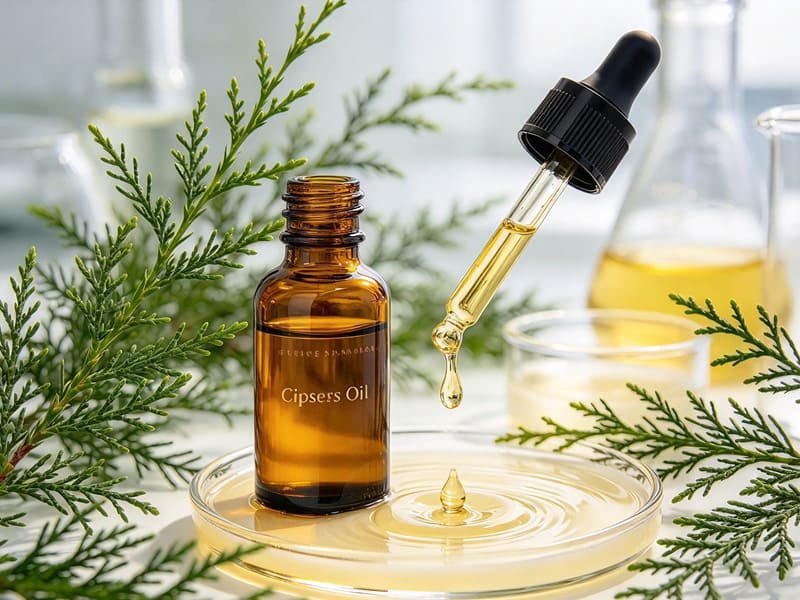
Because pure Cypress Oil is extremely concentrated, it should never be applied undiluted directly to bare skin. Blending it into pure carrier oils—like jojoba, sweet almond, or fractionated coconut oil—ensures smooth absorption while preventing skin sensitivity.
| Application Type | Target Dilution Rate | Drops of Cypress per 30 ml (1 oz) Carrier | Recommended Base Carrier | Primary Safety Objective |
|---|---|---|---|---|
| Facial Skincare / Acne Spot | 0.5% – 1.0% | 3 to 6 drops | Golden Jojoba or Rosehip Oil | Gentle on delicate facial skin; regulates sebum |
| Full Body Massage / Daily Lotion | 1.5% – 2.0% | 9 to 12 drops | Sweet Almond or Grapeseed Oil | Balanced full-body glide; enhances circulation |
| Targeted Leg / Vein Rub | 2.5% – 3.0% | 15 to 18 drops | Fractionated Coconut Oil | Localized relief for heavy legs and swollen ankles |
| Acute Muscle Cramp / Spasm Rub | 3.0% – 5.0% | 18 to 30 drops | Arnica Macerated Oil or Shea Butter | Short-term localized application on calf cramps |
| Aromatic Bath Soak | Pre-diluted in salts | 4 to 6 drops (in 1 cup Epsom salt) | Epsom Salt + 1 tbsp carrier oil | Disperses oil evenly; prevents surface skin stinging |
Easy Tested DIY Recipes
1. “Light Legs” Vein & Circulation Massage Oil
- 6 drops Cypress Oil (Cupressus sempervirens)
- 4 drops Grapefruit Oil
- 2 drops Rosemary Oil
- 30 ml (1 oz) Sweet Almond Oil
- Directions: Combine oils in an amber glass bottle. After a warm shower, massage gently over your calves and thighs in upward strokes toward your heart.
2. “T-Zone Clarity” Mattifying Facial Serum
- 2 drops Cypress Oil
- 2 drops Lavender Oil
- 1 drop Frankincense Oil
- 30 ml (1 oz) Golden Jojoba Oil
- Directions: Mix together and store in a dropper bottle. Press 3 to 4 drops onto cleansed, damp facial skin every night to balance oil production and tighten enlarged pores.
3. “Sanctuary” Forest Diffuser Blend
- 3 drops Cypress Oil
- 3 drops Bergamot Oil
- 2 drops Cedarwood Atlas Oil
- Directions: Add drops to 100–150 ml of water in an ultrasonic diffuser. Diffuse for 30 to 60 minutes to clear work stress and ground your thoughts.
4. Natural Refreshing Deodorant Spray
- 10 drops Cypress Oil
- 8 drops Lemon Oil
- 6 drops Lavender Oil
- 30 ml Witch Hazel
- 30 ml Distilled Water
- Directions: Pour ingredients into a 60 ml glass spray bottle. Shake well before each use and spritz underarms to eliminate odor-causing bacteria.
13. Safety, Toxicology, Contraindications & Storage

When used responsibly through ambient diffusion and proper topical dilution, Cypress Oil has an excellent safety record. However, because it is an active, concentrated botanical extract, following standard safety rules is essential.
The Golden Safety Rule: Never Ingest
Never drink or swallow Cypress Oil. Essential oils are powerful chemical concentrates that can irritate your stomach lining, stress the liver, and interact with medications. Use Cypress Oil for aromatic diffusion, steam inhalation, and topical body rubs only.
How to Perform a 24-Hour Patch Test
Before applying Cypress Oil across larger areas of skin, perform a simple patch test to rule out personal allergies: mix 1 drop of Cypress Oil with 1 teaspoon of carrier oil. Dab a dime-sized amount onto the inside of your forearm, cover lightly, and leave undisturbed for 24 hours. If you notice any redness, itching, burning, or hives, wash the area with warm soapy water and discontinue use.
Pregnancy, Breastfeeding, and Children
- Pregnancy and Nursing: Professional aromatherapists traditionally advise women to avoid topical cypress oil during pregnancy and lactation due to its mild vascular-stimulating and emmenagogue properties. Always consult your obstetrician before using essential oils while pregnant.
- Young Children: Cypress Oil is considered safe for gentle diffusion around children aged 2 and older. Avoid applying it topically to infants under 2 years old, and keep topical dilutions under 0.5% to 1% for older children.
Debunking the Estrogenicity Myth
Some internet blogs suggest that Cypress Oil acts as an estrogen mimic and should be avoided by individuals with uterine fibroids or hormone-sensitive conditions. However, peer-reviewed pharmacological studies have found no evidence that *Cupressus sempervirens* essential oil exhibits estrogenic activity. In fact, laboratory trials showed that cypress compounds actually helped inhibit aromatase—an enzyme that produces estrogen in hormone-sensitive tissues. Nevertheless, anyone managing complex medical conditions should consult their healthcare provider.
Pet Safety in the Home
Take care when diffusing essential oils around household pets, especially cats. A cat’s liver lacks glucuronyl transferase, the enzyme needed to break down pinene and other terpenes. Never apply cypress oil directly to cats or dogs. When diffusing cypress in the home, ensure the room is well-ventilated and leave the door open so your pets can leave the room freely if they feel uncomfortable.
14. Frequently Asked Questions (FAQ)
Q1: What is cypress oil good for?
Cypress oil is celebrated for toning weak veins, easing varicose veins, reducing fluid retention, and balancing oily, acne-prone skin. When diffused or inhaled, its clean woodsy scent opens congested airways, calms spasmodic coughs, and grounds scattered emotions during times of grief, stress, and life transitions.
Q2: Can I apply cypress oil directly to my skin without diluting it?
No. Never apply undiluted cypress oil directly to your skin. Like all pure essential oils, it is highly concentrated and can cause contact dermatitis, redness, or allergic sensitization. Always dilute it in a carrier oil like jojoba, almond, or coconut oil before applying to skin.
Q3: Does cypress oil really help with varicose veins and spider veins?
Yes. Cypress oil contains natural vasoconstrictive and astringent compounds that help support vein wall elasticity and stimulate upward blood circulation. Massaging diluted cypress oil gently upward from the ankles toward the heart eases heaviness, swelling, and the appearance of surface spider veins.
Q4: What does cypress essential oil smell like?
Cypress oil has a fresh, clean, dry-woody, and coniferous aroma with sweet, balsamic, pine-like undertones. It smells like a crisp, sun-drenched evergreen forest after rain, offering a grounded, masculine scent without heavy sweetness.
Q5: Is cypress oil safe to diffuse around cats and dogs?
Use caution around pets, especially cats, whose livers cannot metabolize concentrated airborne terpenes like pinene. Diffuse cypress oil only in open, well-ventilated spaces for 30 to 60 minutes at a time, ensure pets can leave the room freely, and never apply it topically to animals.
Q6: Can cypress oil help with coughs and respiratory congestion?
Yes. Cypress oil contains natural camphene and alpha-pinene, which help quiet the cough reflex, relieve throat spasms, and break up thick bronchial phlegm. Inhaling its vapors via steam inhalation or an ultrasonic diffuser promotes clearer, easier breathing during colds and bronchitis.
Q7: What is the difference between Blue Cypress and Mediterranean Cypress oil?
Mediterranean Cypress (*Cupressus sempervirens*) is a pale yellow oil from European conifer needles, high in alpha-pinene and famous for vein toning and skincare. Blue Cypress (*Callitris intratropica*) is an Australian wood oil containing guaiazulene, which turns the oil a vivid cobalt blue with a smoky, sweet scent used for muscle and joint aches.
Q8: Does cypress oil disrupt hormones or act like estrogen?
No. Peer-reviewed pharmacological studies confirm that authentic Mediterranean cypress oil does not mimic estrogen or disrupt human endocrine function. In fact, specific cypress constituents have been shown to inhibit aromatase enzymes in laboratory models, making it safe for standard aromatherapy use.
Q9: How do you use cypress oil for oily skin and acne?
Blend 2 to 3 drops of cypress oil into 1 tablespoon of jojoba oil or your daily facial moisturizer. Its natural astringency tightens enlarged pores and balances sebum production without drying out skin, while its antimicrobial compounds help fight acne-causing bacteria.
Q10: What essential oils blend best with cypress oil?
Cypress acts as an exceptional aromatic bridge. It blends beautifully with bright citrus oils (Bergamot, Lemon, Grapefruit), grounding wood oils (Cedarwood, Juniper Berry, Frankincense), herbal oils (Sweet Marjoram, Rosemary, Clary Sage), and soothing florals like Lavender.
15. Conclusion: Embracing the Evergreen Strength
The story of Cypress Oil is one of natural resilience and quiet strength. From the sacred sarcophagi of ancient Egypt and the healing writings of Galen to modern dermatological laboratories and prestigious perfumery houses, this humble evergreen conifer has provided comfort across millennia. Its unique chemical makeup—combining alpha-pinene, carene, and cedrol—delivers an exceptional trifecta of benefits: it stimulates sluggish circulation, balances congested skin, and calms emotional overwhelm.
Whether you are formulating a vein-toning leg gel, creating an alcohol-free aftershave, developing a clean-label fine fragrance, or simply diffusing fresh forest air in your home office, pure Cypress Oil brings balance to body and mind alike. It reminds us that real wellness does not need synthetic shortcuts; true vitality comes from nature’s enduring power.
At Botanical Extract Factory, we believe superior wellness products begin directly at the source. Operating dedicated low-temperature steam distillation facilities in authentic Mediterranean corridors, our team partners with sustainable forestry stewards to produce 100% pure, unadulterated Cypress Oil. Every batch is verified through independent GC-MS testing and certified free of synthetic extenders, phototoxins, and chemical additives. If you are developing next-generation personal care products, soothing massage blends, or clean fragrances, our technical team is ready to provide batch analysis sheets, regulatory dossiers, and trial samples to bring your product vision to life.