
1. What is Tomato Seed Oil? Core Fundamentals
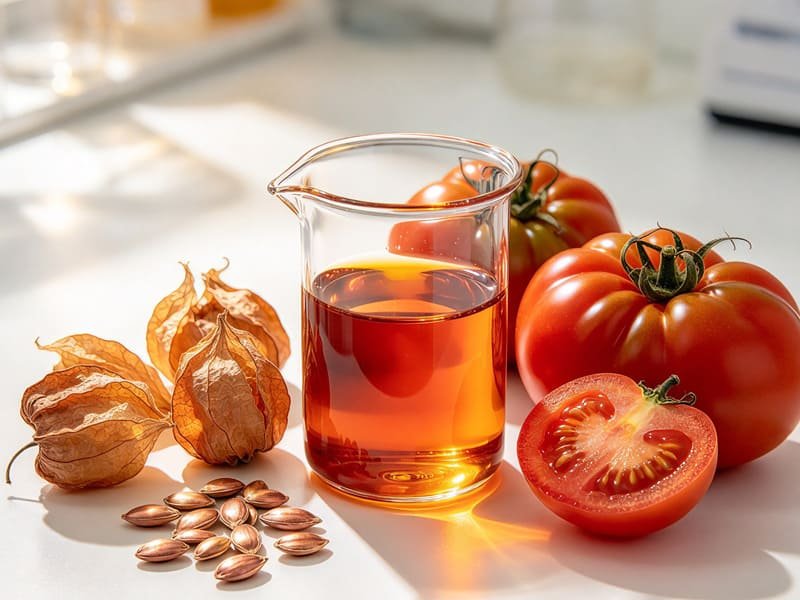
At its core, Tomato Seed Oil (known in the cosmetic industry under the INCI name Solanum Lycopersicum Seed Oil) is a pure vegetable lipid expeller-pressed from the tiny seeds of mature tomatoes. While most people think of the tomato strictly as a culinary fruit or salad staple, its seeds contain roughly 20% to 37% extractable oil by dry weight. When gently pressed without harsh chemical solvents, these seeds yield a rich liquid that ranges in color from warm golden-amber to deep orange-red.
What makes Tomato Seed Oil truly special is its clean sensory profile. In cosmetic science, it is celebrated as a “vanishing oil.” Despite its dense concentration of nourishing lipids, it sinks directly into the epidermal layers within seconds. It leaves no sticky residue, no greasy film, and no heavy shine. Because it has a certified comedogenic rating of 0 to 1, it allows the skin to breathe naturally, making it safe for sensitive, combination, and acne-prone skin types.
Physical and Sensory Indicators
- Appearance: A clear, free-flowing liquid displaying an inviting orange-red or golden-amber hue in its unrefined virgin state, and a pale yellow straw color when refined.
- Aroma: Virgin cold-pressed oil carries a characteristic, mild, fresh, and slightly tangy fruity-nutty aroma. Refined grades are processed to be virtually odorless, providing a neutral base for delicate creams.
- Specific Gravity and Density: Measures between 0.9156 and 0.9160 g/cm³ at 25°C, ensuring a lightweight, fluid glide.
- Refractive Index: Ranges from 1.4603 to 1.4610 at 40°C, reflecting its pure, high-potency polyunsaturated structure.
- Viscosity: Exhibits a low-to-moderate viscosity of approximately 74 to 75 mPa·s at 21°C. When warmed by the body, its viscosity drops smoothly to around 29.5 mPa·s at 40°C, enabling effortless skin absorption.
“Tomato Seed Oil is not just another basic vegetable fat. It is an active carrier oil: a natural lipid carrier that delivers high doses of lycopene, plant sterols, and cellular ceramides directly to your skin.”
2. Botanical Origins, Seed Anatomy & Upcycling

The tomato plant belongs to the nightshade family, known botanically as Solanaceae. This diverse botanical family includes other everyday crops like sweet bell peppers, eggplants, chili peppers, and potatoes. Native to western South America, wild tomatoes were first cultivated by early Aztec and Inca civilizations around 700 AD. When Spanish explorers carried the plant back to Europe in 1521, it was met with deep suspicion. For over two centuries, wealthy European aristocrats dubbed it the “Poison Apple.” The wealthy ate from pewter dinnerware high in lead; the natural acidity of fresh tomatoes leached the lead out of the metal plates, causing accidental lead poisoning that was mistakenly blamed on the fruit.
Once the true cause of the illness was understood, tomatoes spread across the globe to become one of the most widely grown vegetable crops on Earth. Today, leading agricultural centers across China, India, Turkey, the United States, Italy, and Greece process tens of millions of tons every season.
The Structure of the Tomato Seed
Inside every juicy tomato, seeds make up only about 0.5% to 1.5% of the total fresh weight. Yet, when tomato processors extract juice, crush paste, and can pulp, the seeds make up roughly 33% to 45% of the dry processing residue, known as tomato pomace. Chemical analysis demonstrates that dried tomato seeds are packed with nutrients: they contain 8.9% to 10.0% natural moisture, 24% to 28% crude lipids, 27% to 32% high-quality protein, 13% to 14% dietary fiber, and 3.3% to 4.0% essential minerals.
From Waste to Wealth: The Zero-Waste Circular Economy
For decades, commercial tomato processing plants faced a severe environmental headache. Wet tomato pomace spoils rapidly when exposed to heat and moisture, attracting flies and breeding harmful bacteria if dumped into open fields. Disposing of millions of tons of pomace into municipal landfills created significant methane emissions and cost factories millions in disposal fees.
Today, sustainable bio-refining has changed the game. Through clean water flotation and mechanical air-drying, processing plants cleanly separate the seeds from the skins. Pressing these seeds yields an extraordinary, zero-waste botanical active oil. Even the leftover dry seed cake is valuable: containing 23% to 39% clean plant protein, it is used as nutrient-dense feed for cattle, poultry, and aquaculture. Nothing is wasted.
| Common Name | Botanical Taxonomy | Plant Family | Primary Cultivation Regions | Average Seed Oil Content | Primary Modern Application |
|---|---|---|---|---|---|
| Tomato Seed | Solanum lycopersicum | Solanaceae | China, India, USA, Italy, Turkey | 20% – 37% | Anti-aging skincare, barrier serums, gourmet oil |
| Rosehip Seed | Rosa canina / rubiginosa | Rosaceae | Chile, Eastern Europe | 8% – 14% | Scar reduction, dry facial oils, active retinoids |
| Sunflower Seed | Helianthus annuus | Asteraceae | Ukraine, Russia, EU, Argentina | 40% – 50% | Everyday cooking oil, margarine, basic cosmetics |
| Grapeseed | Vitis vinifera | Vitaceae | France, Italy, Spain, USA | 10% – 16% | Lightweight body massage, salad dressings |
3. Biochemical Architecture: The Fatty Acid Spectrum
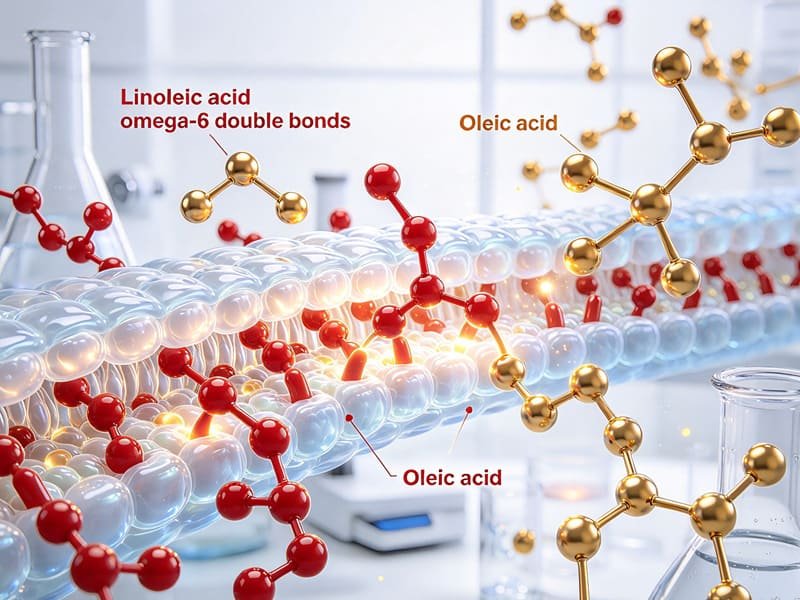
The true therapeutic power of Tomato Seed Oil comes from its unique fatty acid profile. Using Gas Chromatography-Mass Spectrometry (GC-MS), scientists have established that over 80% of tomato seed oil consists of healthy unsaturated fatty acids. It falls directly into the prized linoleic-oleic commercial oil category, delivering a balanced blend of essential building blocks that your skin and body need daily.
The Fatty Acid Breakdown
- Linoleic Acid (C18:2 Omega-6): 50.0% to 64.6%. Linoleic acid is the undisputed star of tomato seed oil. As an essential polyunsaturated fatty acid, your body cannot manufacture it on its own; it must be supplied through diet or topical application. In human skin, linoleic acid forms the primary building block of ceramides, which bind your skin cells together into an impermeable barrier.
- Oleic Acid (C18:1 Omega-9): 18.0% to 25.0%. This monounsaturated fat provides smooth glide, deep emolliency, and long-lasting softness. It works in tandem with linoleic acid to help active nutrients sink deep into the skin without leaving a greasy sheen.
- Palmitic Acid (C16:0): 11.0% to 16.0%. The dominant saturated fat in the oil. Palmitic acid forms a protective, breathable shield over your skin, locking in moisture and defending against cold winds and dry indoor air.
- Stearic Acid (C18:0): 3.5% to 8.0%. A clean saturated fatty acid that acts as a natural emulsifier, giving creams and balms a rich, velvety texture.
- Alpha-Linolenic Acid (C18:3 Omega-3): 1.5% to 3.0%. While present in modest amounts, this essential Omega-3 fatty acid works alongside linoleic acid to calm redness and support cell renewal.
- Minor Fatty Acids: High-precision chromatography also detects trace amounts of myristic (C14:0, 0.2%), palmitoleic (C16:1, 0.5%), margaric (C17:0, 0.3%), vaccenic (C18:1 n-7, 0.4%), arachidic (C20:0, 0.3%), and gondoic (C20:1, 0.2%) acids.
| Fatty Acid Molecule | Lipid Nomenclature | Saturation Classification | Observed Range in Tomato Seed Oil | Primary Physiological Function |
|---|---|---|---|---|
| Linoleic Acid | C18:2 (cis-9,12) | Polyunsaturated (Omega-6) | 50.0% – 64.6% | Ceramide precursor, skin barrier repair, non-comedogenic hydration |
| Oleic Acid | C18:1 (cis-9) | Monounsaturated (Omega-9) | 18.0% – 25.0% | Transdermal penetration enhancer, cellular suppleness, deep nourishment |
| Palmitic Acid | C16:0 | Saturated Fatty Acid | 11.0% – 16.0% | Forms a breathable protective barrier, shields against environmental dryness |
| Stearic Acid | C18:0 | Saturated Fatty Acid | 3.5% – 8.0% | Improves emulsion stability, softens rough calloused skin |
| Alpha-Linolenic Acid | C18:3 (cis-9,12,15) | Polyunsaturated (Omega-3) | 1.5% – 3.0% | Anti-inflammatory cellular soothing, supports tissue regeneration |
| Minor Trace Acids | C14:0, C16:1, C20:0, C20:1 | Mixed Minor Fractions | < 2.0% Combined | Cellular membrane fluidity and structural support |
4. The Micronutrient Matrix: Lycopene, Tocopherols & Phytosterols
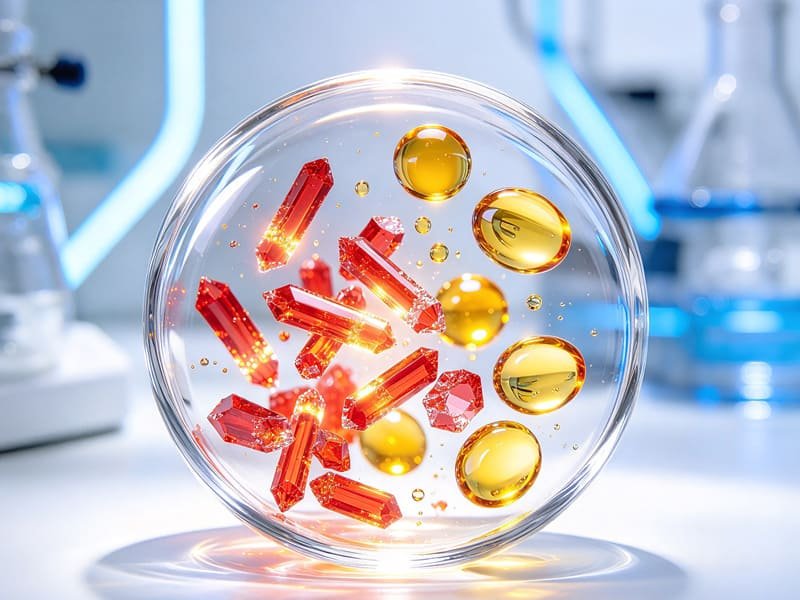
While the fatty acids provide the structural foundation of Tomato Seed Oil, its vibrant colors and therapeutic benefits come from its dense micronutrient matrix. These minor constituents, known scientifically as the unsaponifiable fraction, act as powerful biological defenders.
The Power of Native Lycopene
Lycopene is the natural carotenoid pigment that gives ripe tomatoes, watermelons, and pink grapefruits their rich red color. In pure cold-pressed tomato seed oil, total natural carotenoids range from 12 to 40 mg per 100g of oil. Lycopene represents the vast majority of this pigment, featuring both all-trans-lycopene and bioavailable cis-lycopene isomers.
Why do dermatologists and cosmetic chemists pay so much attention to lycopene? In biological testing, lycopene exhibits twice the singlet-oxygen quenching power of beta-carotene and ten times the antioxidant strength of alpha-tocopherol. When your skin is exposed to harsh sunlight, air pollution, or chronic stress, destructive free radicals begin attacking your cellular DNA and breaking down collagen. Lycopene neutralizes these reactive oxygen species before they can trigger visible sunspots, wrinkles, and redness.
Supporting Carotenoids: Lutein and Beta-Carotene
Lycopene does not work alone. Tomato Seed Oil naturally contains a balanced spectrum of secondary carotenoids:
- Beta-Carotene (3.4 to 9.4 mg/100 mL): A well-known antioxidant and Vitamin A precursor that supports cellular turnover and lends the skin a warm, rosy radiance.
- Lutein (0.6 to 1.5 mg/100 mL): A yellow carotenoid recognized for absorbing high-energy blue-light frequencies emitted by screens and the sun, defending against digital photo-stress.
- Zeaxanthin, Phytoene, and Phytofluene: Natural colorless carotenoid precursors that enhance skin brightness and absorb UV rays.
The Vitamin E Complex: Dominated by Gamma-Tocopherol
Many plant oils boast of their Vitamin E content, but few compare to tomato seed oil. It delivers an impressive 1,000 to 1,260 mg of total tocopherols per kilogram of oil. Even more importantly, over 85% to 90% of this Vitamin E exists as gamma-tocopherol (γ-tocopherol), ranging from 898 to 1,100 mg/kg, accompanied by 161 to 202 mg/kg of alpha-tocopherol (α-tocopherol).
This distinction matters. While alpha-tocopherol provides classical Vitamin E activity inside human blood cells, gamma-tocopherol is far superior at halting lipid oxidation in oils. When exposed to heat and oxygen, gamma-tocopherol forms stable antioxidant dimers, shielding the oil’s linoleic bonds from spoiling and helping the oil maintain a natural shelf life of up to 2 years.
The Solanaceae Phytosterol Anomaly: Natural Plant Cholesterol
Phytosterols are plant-derived sterols that mimic cholesterol in human cell membranes. Total sterols in crude tomato seed oil vary between 225 and 533 mg per 100g. The dominant sterol is beta-sitosterol (52% to 53%), celebrated in skincare for calming inflamed skin, supported by stigmasterol (14% to 15%) and campesterol (6% to 7%).
Remarkably, researchers Evangelos Lazos, John Tsaknis, and Stavros Lalas documented that tomato seed oil contains roughly 15% to 16% natural plant cholesterol (and up to 27% to 41% in specific Mediterranean varieties). While dietary animal cholesterol is strictly monitored for heart health, natural plant-derived cholesterol from the Solanaceae family is a coveted cosmetic ingredient: it closely mimics human stratum corneum lipids, repairing damaged cellular barriers and restoring softness to aging skin.
| Bioactive Molecule Category | Specific Compounds Identified | Observed Concentration Range | Primary Dermatological & Biological Role |
|---|---|---|---|
| Natural Carotenoids | all-trans-Lycopene, cis-Lycopene | 12.0 – 41.0 mg / 100g | Singlet oxygen quencher, biological UV defense, hyperpigmentation fading |
| Secondary Carotenes | β-Carotene, Lutein, Zeaxanthin | 4.0 – 11.0 mg / 100 mL | Blue-light absorption, provitamin A activity, healthy skin tone enhancement |
| Gamma-Tocopherol | γ-Tocopherol (Vitamin E) | 898 – 1,100 mg / kg | Chain-breaking lipid antioxidant, natural shelf-life preservative, anti-inflammatory |
| Alpha-Tocopherol | α-Tocopherol (Vitamin E) | 161 – 202 mg / kg | Tissue biological antioxidant, accelerates scar and wound healing |
| Plant Phytosterols | β-Sitosterol, Stigmasterol, Campesterol | 225 – 533 mg / 100g | Stimulates collagen synthesis, calms eczema, restores epidermal lipid cement |
| Solanaceae Sterols | Natural Plant Cholesterol, Cycloartenol | 15% – 16% of total sterols | Replenishes intercellular skin cement, reinforces cell membrane flexibility |
| Phenolic Compounds | Syringic, Di-CQA, Caffeic Acid, Rutin | 1.95 – 4.19 mg GAE / L | Direct free-radical scavenging, antimicrobial defense, anti-mutagenic protection |
5. Extraction Methods, Bioprocessing & Thermal Pre-Treatments

How tomato seeds are handled before and during extraction directly determines the final oil’s purity, color, aroma, and antioxidant potency. Because lycopene and essential fatty acids are sensitive to excessive heat and oxygen, modern processors rely on carefully controlled physical extraction technologies.
Mechanical Cold Pressing: The Clean-Label Standard
For clean-label skincare, premium cosmetics, and culinary finishing oils, mechanical cold expeller pressing is the gold standard. Dried, cleaned tomato seeds are fed into heavy-duty mechanical screw presses where friction and pressure force the oil out through fine mesh screens. Operating temperatures are maintained strictly below 40°C to 45°C (104°F to 113°F) without adding any chemical solvents, bleaches, or deodorizers.
After pressing, the oil settles in chilled stainless steel tanks for several days before passing through multi-stage physical filter presses. This gentle process yields between 12% and 17% oil by seed weight, preserving its dark red-gold hue, tangy fresh aroma, and natural tocopherol shield.
Chemical Solvent Extraction (Hexane): The Industrial High-Yield Method
In conventional mass-market manufacturing, dried seeds are ground and washed with petroleum solvents like n-hexane at elevated temperatures (60°C to 80°C). Solvent extraction recovers roughly 20% to 35% oil. However, removing the solvent requires high-heat distillation, which damages delicate carotenoids, degrades Vitamin E, and introduces risks of residual chemical solvents. Solvent-extracted oils are typically sent through full chemical refining (bleaching with acid clays and deodorization at 200°C), resulting in a pale, neutral oil stripped of its active pigments.
The Critical Pre-Treatment Dilemma: Cold Break (CB) vs. Hot Break (HB)
In commercial tomato processing, before seeds are ever separated from the fruit, fresh tomatoes undergo industrial heat pre-treatments to prepare them for paste or juice. A landmark 2021 study by Dr. Katalin Szabo and colleagues, published in Foods, investigated how these pre-treatments impact the seeds:
- Cold Break (CB) Processing (65°C to 75°C): Chopped tomatoes are gently warmed at mild temperatures to create concentrated tomato paste. This gentle heat preserves tomato seed bioactives: cold-break tomato seed oil retained 37.43 mg/100 mL of active lycopene and a high total phenolic content of 333 mg GAE/100 mL.
- Hot Break (HB) Processing (85°C to 95°C): Chopped tomatoes are rapidly heated above 85°C to completely destroy pectolytic enzymes and create thick ketchup. This high heat triggered severe thermal degradation, destroying roughly 76% of the active lycopene (dropping to 22.01 mg/100 mL) and reducing total phenolics to just 102 mg GAE/100 mL.
- The Formulation Takeaway: Formulators seeking therapeutic antioxidant potency must verify that their cold-pressed oil originates from Cold Break industrial lines.
Advanced Green Extraction Innovations
To avoid toxic solvents while increasing yields above basic cold-pressing, laboratories have developed cutting-edge green extraction methods:
- Supercritical Fluid Extraction (SC-CO2): Uses pressurized carbon dioxide (above 31°C and 73.8 bar) as a clean solvent. Research by USDA scientist Fred Eller demonstrated that SC-CO2 achieves oil yields of 16.9% to 17.3% with the highest total phytosterol recovery (12.3 mg/g oil) and zero chemical residues.
- Microwave-Assisted Extraction (MAE): Research by Ignacio Solaberrieta in 2022 showed that volumetric microwave heating ruptures seed cell walls in just 29 minutes at 56.2°C, delivering an impressive 25.3% oil yield with superior gamma-tocopherol retention.
- Ultrasound-Assisted Extraction (UAE): High-frequency sound waves generate microscopic cavitation bubbles that implode against seed surfaces, speeding up oil recovery while reducing solvent needs by over 90%.
| Extraction Methodology | Operational Parameters | Typical Oil Yield | Lycopene & Antioxidant Retention | Primary Advantages & Limitations |
|---|---|---|---|---|
| Virgin Cold Pressing (Cold Break Seeds) | Mechanical screw press, temperature ≤ 45°C | 12% – 17% | Peak Retention (37.4 mg/100 mL lycopene) | 100% solvent-free, clean-label certified; lower extraction yield |
| Hot Break Processing Extraction | Preheated tomatoes (85°C – 95°C) prior to pressing | 14% – 18% | Severe Degradation (~76% lycopene destroyed) | Industrial byproduct of ketchup lines; significantly degraded bioactives |
| Supercritical Carbon Dioxide (SC-CO2) | CO2 at 313–343 K, 24.5–40 MPa pressure | 16.9% – 17.3% | Superior Sterol Recovery (12.3 mg/g phytosterols) | Zero solvent residue, eco-friendly green process; high capital equipment cost |
| Microwave-Assisted Extraction (MAE) | 56.2°C, 29 minutes, green solvent blend | 25.3% | High Tocopherol Retention (260 mg/kg seed) | High extraction efficiency, fast kinetics; requires post-extraction solvent recovery |
| Conventional Hexane Soxhlet | Chemical solvent reflux at 60°C – 80°C for 6–14 hours | 20% – 35% | Moderate (strips volatile phenolics) | Highest gross oil yield; produces hazardous waste, requires chemical refining |
6. Dermatological Science & Skin Barrier Repair
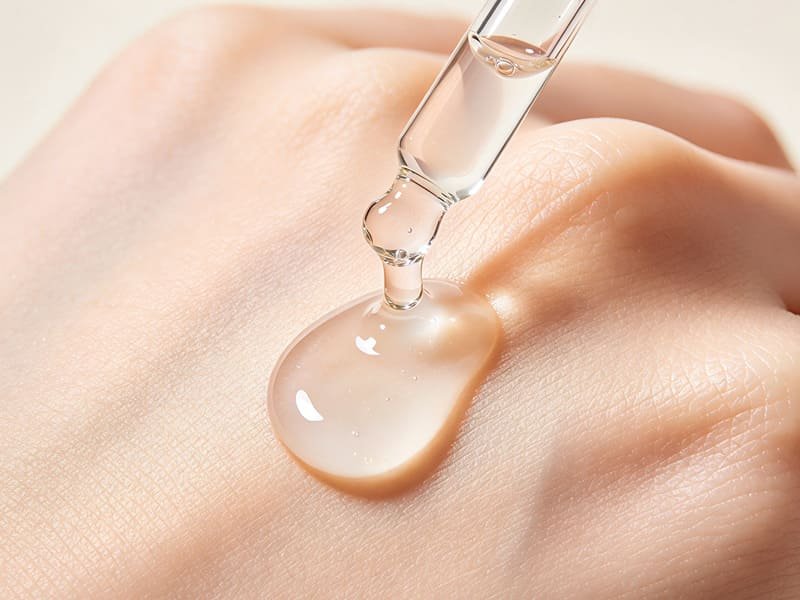
In dermatological skincare, finding an oil that deeply nourishes dry skin without causing acne breakouts has always been a challenge. Tomato Seed Oil solves this dilemma naturally. Its unique biochemical fingerprint makes it a versatile, biocompatible choice across all skin types.
1. Repairing the Moisture Barrier and Halting TEWL
Your skin barrier relies on a delicate balance of ceramides, cholesterol, and free fatty acids. When environmental aggressors, dry winds, or over-exfoliation strip these lipids away, the skin barrier develops microscopic leaks, accelerating Transepidermal Water Loss (TEWL). Skin becomes rough, dull, and prone to stinging.
With its 50% to 60% linoleic acid content, Tomato Seed Oil integrates directly into depleted skin bilayers. It acts as an active emollient, stimulating cells to produce natural ceramides while phytosterols attract surface moisture. Applying a few drops to damp skin locks in hydration, keeping your complexion plump, elastic, and smooth throughout the day.
2. Clearing Acne and Balancing Blemish-Prone Skin
People with acne-prone or oily skin often avoid facial oils out of fear of worsening breakouts. However, dermatological research reveals that acne-prone individuals often suffer from a localized linoleic acid deficiency in their sebum. When skin lacks linoleic acid, sebum becomes thick, sticky, and rich in oleic acid, creating the perfect environment to trap dead skin cells and feed acne-causing bacteria.
Tomato Seed Oil provides the exact linoleic acid that blemish-prone skin lacks. Topical application fluidizes sticky sebum, encourages natural pore clearing, and calms redness. With its non-comedogenic rating of 0, it conditions oily skin without triggering micro-comedones.
3. Stimulating Fibroblasts and Boosting Collagen (+22%)
A breakthrough dermatological study led by Dr. Raluca Papacocea evaluated the regenerative effects of topical tomato seed oil on living skin models. The research revealed that tomato seed oil accelerates the natural division rate of dermal fibroblasts—the specialized cells responsible for producing collagen and elastin.
Fibroblasts treated with tomato seed oil increased total collagen synthesis by up to +22% over 48 hours. At the same time, the oil accelerated keratinocyte differentiation, speeding up the repair of damaged tissue, softening fine expression lines, and improving skin elasticity.
4. Fading Scars and Diminishing Stretch Marks
Rigid scar tissue and deep stretch marks lack natural elasticity. The combination of high gamma-tocopherol, palmitic acid, and beta-sitosterol in tomato seed oil softens hardened fibrotic collagen, improves tissue suppleness, and promotes organized cell rebuilding. Regularly massaging the oil onto surgical scars, post-acne marks, and postpartum stretch marks helps smooth uneven texture and fade discoloration over time.
5. Quenching Inflammaging and Sun Damage
Chronic micro-inflammation—often termed “inflammaging”—is a primary driver of premature wrinkles. Omega-3 and Omega-6 fatty acids in tomato seed oil compete with arachidonic acid, reducing the production of pro-inflammatory prostaglandins (PGE2) and leukotrienes. Meanwhile, lycopene scavenges reactive oxygen species generated by solar UV rays, helping protect collagen networks against breakdown and fading sun-induced hyperpigmentation.
7. Hair, Scalp, and Grooming Applications

Just as Tomato Seed Oil transforms facial skin, it works wonders for hair and scalp wellness. Hair follicles are living extensions of your skin, and hair shafts require balanced lipids to stay flexible, shiny, and strong.
Hydrating the Scalp and Easing Flakes
A dry, itchy scalp often stems from an impaired scalp moisture barrier. The high unsaturated fatty acid and phytosterol content in tomato seed oil nourishes dry roots, soothes irritation, and reduces annoying flakiness. Additionally, its natural antimicrobial properties help keep opportunistic fungal strains like Candida albicans and Malassezia in balance, promoting a clean, calm scalp environment.
Smoothing Cuticles and Banishing Frizz
When hair cuticles are damaged by chemical dyes, harsh shampoos, or heat styling, they ruffle upward, allowing internal moisture to escape and causing dry, frizzy hair. Because tomato seed oil has a light, fluid texture, it penetrates the hair shaft and seals the outer cuticle smoothly. A few drops applied to damp hair ends locks in moisture, tames flyaways, and prevents split ends without dragging down fine hair.
The Secret Ingredient in Lightweight Beard Oils
Men’s grooming formulators frequently struggle with carrier oils: heavy oils like castor or coconut can leave beards feeling sticky and cause breakouts on the sensitive jawline skin underneath. Tomato Seed Oil is thin, fast-absorbing, and completely non-comedogenic. It conditions coarse facial hair, softens rough beards, and moisturizes the skin beneath without clogging pores.
8. Functional Food, Nutrition & Heart Health

While the beauty industry has embraced tomato seed oil for its skin-firming properties, food scientists celebrate it as a heart-healthy specialty culinary oil. It meets international standards set by the Codex Alimentarius (CXS 210-1999) for named vegetable oils and was officially approved by China’s National Health and Family Planning Commission as a New Food Ingredient in 2014.
The Fruitflow Discovery: A Natural Alternative to Aspirin
One of the most remarkable discoveries in cardiovascular nutrition originated at the Rowett Institute in Aberdeen. Researchers studying the Mediterranean diet discovered that bioactive water-soluble compounds concentrated around tomato seeds exert potent antiplatelet aggregation properties. Now patented under the brand name Fruitflow, this natural bio-fraction helps keep blood platelets smooth and inhibits abnormal clotting within 3 hours of consumption—delivering the circulation benefits of low-dose aspirin without irritating the stomach lining or causing gastric ulcers.
Optimizing Blood Lipids and Cholesterol
Controlled animal trials in Golden Syrian hamsters fed high-fat diets demonstrated that dietary tomato seed oil significantly lowers plasma and liver cholesterol. Thanks to its rich content of phytosterols (beta-sitosterol and campesterol), tomato seed oil inhibits the absorption of dietary cholesterol in the gut, helping lower total serum cholesterol and atherogenic LDL without causing hepatic strain.
Food Science Innovation: Mayonnaise and Clean-Label Fat Replacement
In a groundbreaking 2023 study published in the Journal of Food Science and Technology, food scientist Kamini Thakur and her team substituted 20% of commercial refined soybean oil with cold-pressed Tomato Seed Oil in both egg-based and eggless mayonnaise. The results demonstrated exciting benefits:
- Natural Nutrient Boost: Total lycopene soared by +65.5% in eggless mayo and +26% in egg-based mayo, while total carotenoids rose by up to 34%.
- Vibrant Natural Color: The natural lycopene boosted the red color value ($a^*$ value shifted from 1.20 to 4.41), producing an attractive golden-red dressing that completely eliminated the need for synthetic dyes.
- Superior Oxidative Stability: Across a 90-day storage period, tomato seed oil mayonnaise showed significantly lower peroxide values and slower free-fatty-acid increases than control soybean oil mayonnaise, proving that tomato seed oil acts as an effective natural food preservative.
9. Industrial Innovations: Active Packaging, Coatings & Oleochemistry
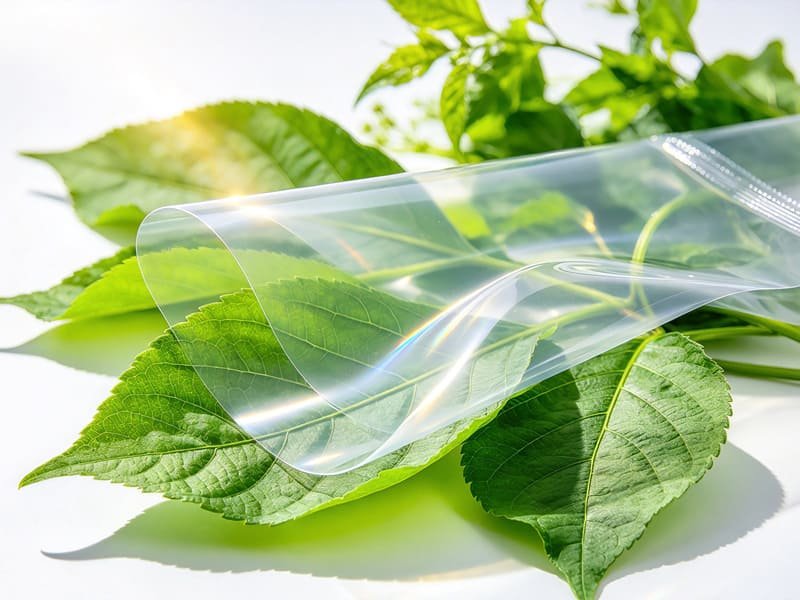
As the world works to move away from petroleum-based plastics and toxic synthetic chemicals, researchers are finding surprising new uses for tomato seed oil across green materials engineering.
Active and Intelligent Food Packaging Films
Plastic food wrap contributes significantly to global landfill pollution. In sustainable packaging research, scientists have blended tomato seed oil into polyvinyl alcohol (PVA) biodegradable films. The active carotenoids and phenolics in the oil turn the packaging into an antimicrobial barrier. In laboratory trials, PVA films enriched with tomato seed oil successfully inhibited destructive foodborne pathogens, including Staphylococcus aureus and Pseudomonas aeruginosa, keeping packaged foods fresh without artificial chemical preservatives.
Edible Nano-Coatings for Fruit Preservation
Drying fresh fruit slices often strips away moisture too quickly and degrades delicate vitamins. Food engineers discovered that dipping sliced tomatoes into a light 200 ppm emulsion of tomato seed oil before dehydrating forms a microscopic moisture barrier. The coated slices retained 8.92% moisture, eliminated water weeping, and suffered 2.45 times less carotenoid degradation over 7 days of storage.
Green Paints, Non-Yellowing Alkyds, and Soaps
With an iodine value between 105 and 131 g I₂/100g, tomato seed oil is classified as a semi-drying vegetable oil. In industrial coatings, its fatty acids are used to synthesize non-yellowing alkyd resins for paints and architectural varnishes. These plant-based resins resist heat discoloration far better than conventional soybean alkyds. In traditional soapmaking, its saponification value (184–198 mg KOH/g) allows soap artisans to include it at 10% to 30% to create creamy, antioxidant-rich, conditioning bath bars.
10. Comprehensive Comparison: Tomato vs. Other Carrier Oils

With dozens of plant oils available to formulators and consumers, why choose Tomato Seed Oil over familiar classics like Rosehip, Argan, or Jojoba? The answer lies in its distinct balance of high linoleic acid, unesterified lycopene, and zero comedogenicity.
| Carrier Oil Name | Dominant Fatty Acid | Lycopene Content | Total Vitamin E Level | Comedogenic Rating | Skin Absorption Feel | Ideal Best-Fit Skin Type |
|---|---|---|---|---|---|---|
| Tomato Seed Oil | Linoleic (50%–62%) | High (12–40 mg/100g) | Very High (~1,000 mg/kg) | 0 to 1 | Fast, dry, non-greasy finish | Acne-prone, oily, mature, sun-damaged |
| Rosehip Seed Oil | Linoleic (40%–55%) | Traces only | Low to Moderate (100–300 mg/kg) | 1 | Fast absorption, dry finish | Scars, deep wrinkles, hyperpigmentation |
| Argan Oil | Oleic (43%–49%) | None | Moderate (600–700 mg/kg) | 0 | Rich, slightly heavier glide | Dry, flaky, mature skin, hair ends |
| Jojoba Oil (Wax Ester) | Gondoic (65%–80%) | None | Low | 2 | Mimics human sebum, light film | Combination skin, everyday cleansing |
| Grapeseed Oil | Linoleic (65%–75%) | None | Moderate (150–350 mg/kg) | 1 to 2 | Very thin, fast absorption | Body massage base, basic lightweight carrier |
Key Formulation Advantages of Tomato Seed Oil
- Superior Antioxidant Quenching: Rosehip oil is beloved for its natural trans-retinoic acid, but it oxidizes rapidly and contains virtually no lycopene. Tomato seed oil delivers far higher singlet-oxygen quenching power and stays stable in formulations much longer.
- Lighter Skin Feel than Argan: While argan oil is high in heavier oleic acid, tomato seed oil is dominated by linoleic acid. It absorbs faster, leaving a clean matte finish that will not trigger breakouts in combination skin.
- True Circular Upcycling: Unlike jojoba or sunflower oils that require dedicated farmland and heavy irrigation, tomato seed oil is 100% upcycled from existing food processing pomace, delivering an authentic zero-waste sustainability story.
11. Safety, Nightshade Allergies & Storage Guidelines
Tomato Seed Oil has earned an outstanding safety profile across both food and personal care evaluations. Independent safety reviews by the Cosmetic Ingredient Review (CIR) expert panel determined that it is non-irritating and non-sensitizing across all standard formulation levels.
Psoralen and Phototoxicity Clearance
Some citrus and seed oils contain furocoumarins and psoralens—compounds that react with sunlight to cause chemical burns, severe blisters, and dark stains on the skin. Rigorous HPLC-DAD-MS testing confirms that phototoxic psoralens are Not Detected (<0.1 ppm) in pure cold-pressed Tomato Seed Oil. It complies fully with European Cosmetic Regulation (EC) No 1223/2009 and is completely safe for daytime facial application under natural sunlight.
Understanding Nightshade Allergies
Because tomatoes belong to the Solanaceae family, individuals diagnosed with severe systemic allergies to nightshade foods should take sensible precautions. However, cold pressing and physical micro-filtration leave only minute trace proteins (<300 mg protein per 100g oil). The vast majority of food allergy reactions are triggered by water-soluble proteins that remain behind in the seed cake. Nevertheless, formulators and consumers should always perform a standard 24-hour patch test on the inner wrist or forearm before applying any new botanical oil.
Recommended Formulation Usage Rates
- Facial Serums and Restorative Night Oils: Use at 5% to 30% in custom carrier blends, or apply at 100% full strength as a pure active facial oil.
- Daily Moisturizing Creams and Emulsions: Incorporate at 2% to 10% in the oil phase to boost skin barrier repair and improve spreadability.
- Hair Masks, Conditioners, and Beard Oils: Add at 3% to 10% to tame frizz, condition wiry hair, and nourish the scalp.
- After-Sun Lotions and Barrier Balms: Use at 5% to 20% combined with shea butter and calendula to calm post-sun erythema.
Storage and Shelf-Life Best Practices
Because Tomato Seed Oil is rich in polyunsaturated linoleic acid, improper storage can lead to gradual oxidation. Follow these best practices to ensure peak freshness:
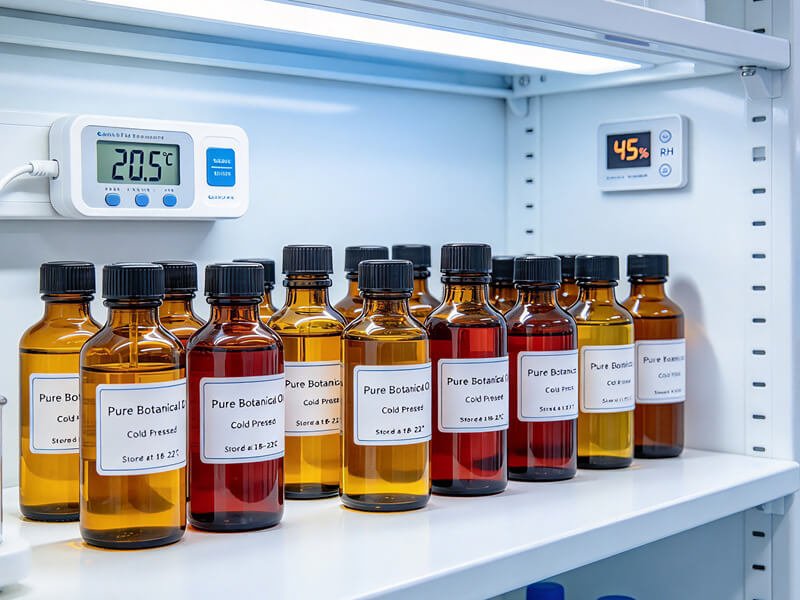
- Container Selection: Always store in dark amber glass bottles, lined aluminum canisters, or opaque containers to block damaging UV light.
- Oxygen Management: Keep caps tightly sealed when not in use. Commercial manufacturers should store bulk oil under an inert nitrogen blanket to displace headspace oxygen.
- Temperature Control: Store in a cool, dry environment between 15°C and 25°C (59°F to 77°F) away from heat sources and radiators. When stored properly unopened, cold-pressed tomato seed oil maintains a stable shelf life of up to 24 months. Small culinary bottles should be refrigerated after opening and used within 6 to 12 months.
12. Frequently Asked Questions (FAQ)
Q1: What is tomato seed oil good for?
Tomato seed oil is celebrated for skin barrier repair, deep non-greasy hydration, acne balancing, and anti-aging protection. Rich in essential Omega-6 linoleic acid (50–55%), lycopene, and natural Vitamin E, it neutralizes free radicals, speeds scar healing, improves skin elasticity, and conditions dry hair without clogging pores.
Q2: Does tomato seed oil clog pores or cause acne breakouts?
No. Tomato seed oil has a comedogenic rating of 0 to 1, meaning it will not clog pores. In fact, acne-prone skin is often deficient in linoleic acid, which makes natural sebum thick and sticky. Applying linoleic-rich tomato seed oil helps thin sticky sebum, clearing follicular congestion and calming inflammation.
Q3: Does tomato seed oil contain active lycopene?
Yes. Virgin cold-pressed tomato seed oil contains roughly 12 to 40 mg of bioavailable lycopene per 100g, along with beta-carotene and lutein. This gives the unrefined oil its distinctive golden-red color and provides powerful antioxidant defense against environmental sun and pollution damage.
Q4: Can I use tomato seed oil on my face every day?
Yes. Tomato seed oil is gentle, lightweight, and suitable for daily morning and evening use. Simply massage 2 to 4 drops onto clean, slightly damp skin before your regular moisturizer, or blend a few drops directly into your favorite day cream to boost hydration.
Q5: What is the difference between virgin cold-pressed and refined tomato seed oil?
Virgin cold-pressed oil is extracted mechanically below 45°C without chemicals, preserving its natural orange-red hue, tangy aroma, active lycopene, and high Vitamin E levels. Refined tomato seed oil undergoes gentle physical filtering and deodorizing to produce a pale, neutral-scented oil preferred for fragrance-free cosmetic bases.
Q6: Can you cook with tomato seed oil?
Yes. Tomato seed oil is an approved edible vegetable oil rich in healthy polyunsaturated fats. With a smoke point between 176°C (crude) and 208°C (refined), it is ideal for gourmet salad dressings, dips, light sauteing, and clean-label mayonnaise, although continuous deep-frying is discouraged.
Q7: Does tomato seed oil stain the skin?
No. While virgin unrefined tomato seed oil has a warm reddish-orange color due to its natural lycopene content, it absorbs quickly and invisibly into the skin within moments. When used in normal amounts (2 to 4 drops), it leaves a radiant, healthy glow without staining your face or pillowcases.
Q8: Does tomato seed oil help with scars and stretch marks?
Yes. Clinical trials indicate that tomato seed oil stimulates dermal fibroblast division and accelerates collagen synthesis by up to +22% over 48 hours. Its rich combination of phytosterols, palmitic acid, and Vitamin E softens rigid scar tissue and helps smooth stretch marks over time.
Q9: Is tomato seed oil safe for people with nightshade allergies?
Because tomatoes belong to the nightshade (Solanaceae) family, individuals with diagnosed, severe nightshade allergies should take care. However, mechanical pressing and filtration remove virtually all water-soluble allergenic proteins. Doing a simple 24-hour patch test on your inner forearm is always recommended.
Q10: Why is tomato seed oil considered a zero-waste, eco-friendly ingredient?
Tomato seed oil is 100% upcycled from the millions of tons of tomato pomace generated every year by the canning, juice, and ketchup industries. Instead of sending these nutrient-dense seeds to rot in landfills, processors press them into luxury cosmetic oils and use the remaining meal for animal feed, supporting a circular economy.
13. Conclusion: Sustainable Beauty and Botanical Innovation
The story of Tomato Seed Oil is proof of what modern green chemistry can achieve when it works hand-in-hand with agricultural sustainability. For generations, millions of tons of tomato seeds were discarded as useless industrial waste. Today, rigorous clinical and chemical research has established that these humble seeds contain a powerhouse of skin-repairing linoleic acid, free-radical-quenching lycopene, protective gamma-tocopherol, and biocompatible plant sterols.
Whether you are formulating an anti-aging facial oil to soften fine lines, creating a soothing barrier balm for reactive eczema-prone skin, developing a lightweight beard conditioner, or crafting heart-healthy functional dressings, Tomato Seed Oil delivers proven results. It repairs damaged skin barriers without clogging pores, neutralizes oxidative stress before photoaging occurs, and gives eco-conscious brands a verifiable zero-waste circular economy story.
At Botanical Extract Factory, we believe that world-class cosmetic and nutritional formulations begin with ethical, transparent sourcing. Operating advanced, low-temperature mechanical cold-press batteries, our production facility partners directly with primary tomato processors to deliver pure, certified, unadulterated Tomato Seed Oil backed by complete chromatographic lot traceability. If you are developing next-generation skincare, haircare, or functional food products, our technical team is ready to support you with comprehensive regulatory dossiers, analytical data, and pilot formulation samples.