1. What Is Tangerine Peel Powder and Where Does It Come From?
Quick Summary: Tangerine peel powder is a natural botanical ingredient made by drying and grinding the mature outer skin of Citrus reticulata Blanco. Often aged for three to ten years or longer, it is known in traditional herbalism as Chen Pi. It contains high levels of unique plant defenders called polymethoxyflavones, natural vitamin C, and soluble prebiotic fiber that soothe digestion, clear wet coughs, and protect cellular health.
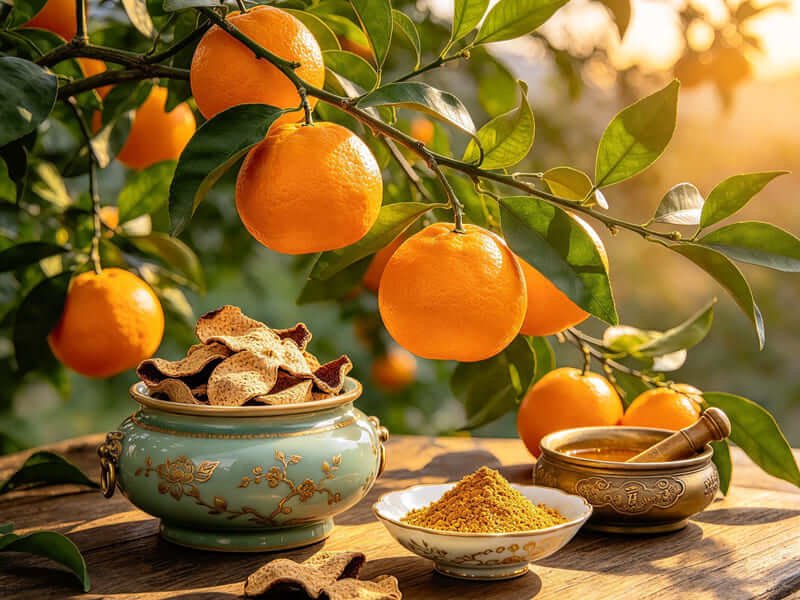
Tangerine peel powder is created by carefully drying, aging, and milling the outer rind of specific varieties of the mandarin orange, scientifically named Citrus reticulata Blanco. In English, people call it dried tangerine peel or aged citrus rind. In China and across East Asia, it is called Chen Pi. The word Chen translates directly to aged or old, while Pi means skin or peel. The name itself carries the central rule of this botanical: fresh peel is ordinary food, but aged peel is medicine.
The tree that produces these fruits belongs to the Rutaceae plant family. It is a leafy evergreen tree that grows best in warm, sunny subtropical climates. The fruit is smaller than a typical navel orange, with a slightly flattened top and bottom. Its skin is pebbled, fragrant, and loose. Because the rind peels off effortlessly by hand, it has been a favorite fruit across Asia for thousands of years. While people eat the sweet, juicy segments inside, traditional herbalists recognized that the real medicinal wealth sits right in the discarded skin.
Where does the best peel come from? While citrus grows globally, the premier variety comes from the Xinhui district in Guangdong province in southern China. Peels from this region are called Guangchenpi or Xinhui Chen Pi. For over 700 years, farmers in Xinhui have grown a unique cultivar known as Citrus reticulata Chachi. This specific river delta sits where fresh river water meets salty sea tides, creating soil packed with organic minerals. Xinhui peels contain exceptionally dense oil glands that look like scattered stars when held up to the light. These glands carry higher levels of therapeutic essential oils and protective flavonoids than generic citrus peels grown anywhere else.
Outside of southern China, excellent commercial crops of Citrus reticulata grow across California in the United States, Valencia in Spain, Japan, South Korea, and parts of South America. Regardless of where the trees grow, the fruit must ripen fully under natural sunshine so the rind develops its full spectrum of deep orange pigments, natural sugars, and bio-active plant defenses before harvest.
2. Traditional Taxonomy: What Is the Difference Between Chen Pi, Qing Pi, and Ju Hong?
Quick Summary: In traditional herbalism, different parts of the citrus rind serve entirely different medical purposes. Chen Pi is the mature aged peel that gently strengthens the spleen and calms the stomach. Qing Pi is the green unripe peel harvested in spring that aggressively breaks up sharp pain and liver tension. Ju Hong is the red outer skin with the white inner pith scraped away, focused strictly on drying heavy chest phlegm.
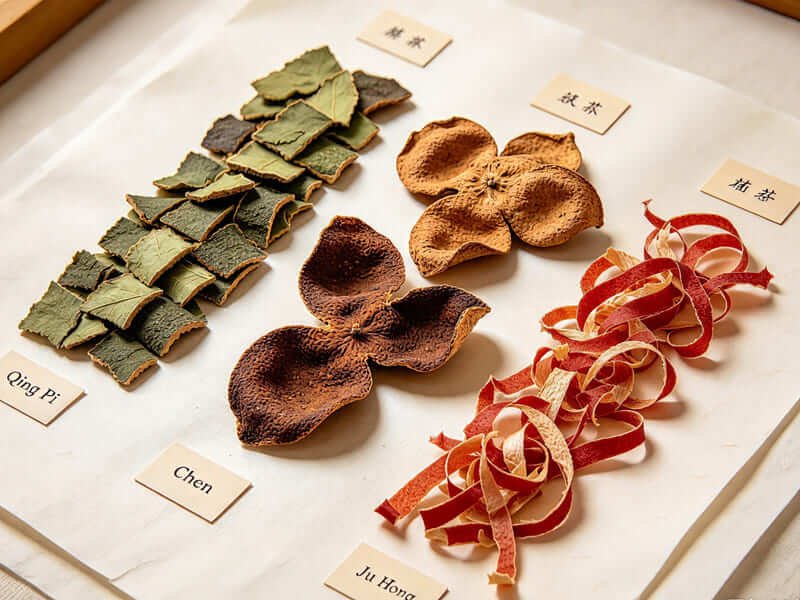
If you walk into a traditional herbal pharmacy, you will quickly discover that citrus rinds are not treated as one single ingredient. Herbal masters divide the peel into distinct remedies based on fruit maturity and processing methods. Choosing the wrong one can change your health outcome. Understanding these classic distinctions helps you select the exact right powder for your daily routine or formulation needs.
Chen Pi: The Harmonizing Mature Peel
Chen Pi is made from fully ripe tangerines picked between late autumn and early winter. The peel is bright orange or reddish-orange when fresh. After harvest, workers cut the peel into three connected petals, dry it under the sun, and age it for at least three full years. According to traditional medical theory, Chen Pi has a warm, acrid, and slightly bitter nature. It enters the Spleen, Stomach, and Lung channels. Its primary job is to regulate vital energy, ease stomach heaviness, reduce nausea, and gently dry excess internal fluid called dampness. Because it is warm without being burning, it is gentle enough for daily tonics, digestive teas, and restorative cooking.
Qing Pi: The Aggressive Green Immature Peel
Qing Pi comes from the very same citrus tree, but farmers pick it months earlier in May and June when the fruit is still small, rock-hard, and dark green. While Chen Pi acts like a gentle friend, Qing Pi behaves like a powerful broom. It carries a strong, sharp, bitter flavor and enters the Liver and Gallbladder channels. In ancient practice, Qing Pi is used to break up hard stagnation, clear intense chest tightness, relieve menstrual pain, and ease hernia spasms. Modern lab tests confirm that green Qing Pi contains significantly higher levels of synephrine and specific amino acids like proline and glutamic acid than ripe peel. It is a powerful medicinal agent rather than a gentle food seasoning.
Ju Hong: The Pure Outer Red Exocarp
Ju Hong is created by taking the ripe peel and using a sharp knife to carefully scrape away the inner white spongy layer, leaving only the outer red skin. This makes it light, thin, and intensely fragrant. Ju Hong is more drying and pungent than standard Chen Pi. It focuses directly on the respiratory system, breaking up stubborn, sticky lung phlegm and calming chronic wet coughs. It does not tonify the stomach as effectively as whole Chen Pi because it lacks the nourishing fiber of the inner rind.
Ju Luo: The White Inner Collateral Network
What about the white, stringy pith between the peel and the juicy fruit segments? In herbal tradition, this web-like fiber is called Ju Luo. Ancient doctors followed the law of shapes: because this stringy tissue forms a transport network across the fruit, they used it to open blood channels, ease chest tightness, and support nerve pathways. Modern food science reveals that Ju Luo is rich in natural pectin, soluble dietary fiber, and unique citrus bioflavonoids that help protect fragile capillary blood vessels.
3. What Is in Tangerine Peel Powder? Flavonoids, PMFs, and Pectin
Quick Summary: Tangerine peel powder is packed with bio-active compounds. Its active power comes from flavanone glycosides like hesperidin, rare polymethoxyflavones including nobiletin and tangeretin, and soluble high-methoxyl pectin fiber. It also supplies natural vitamin C, vitamin E, potassium, magnesium, and volatile d-limonene oil that work together to protect cells and support gut wellness.
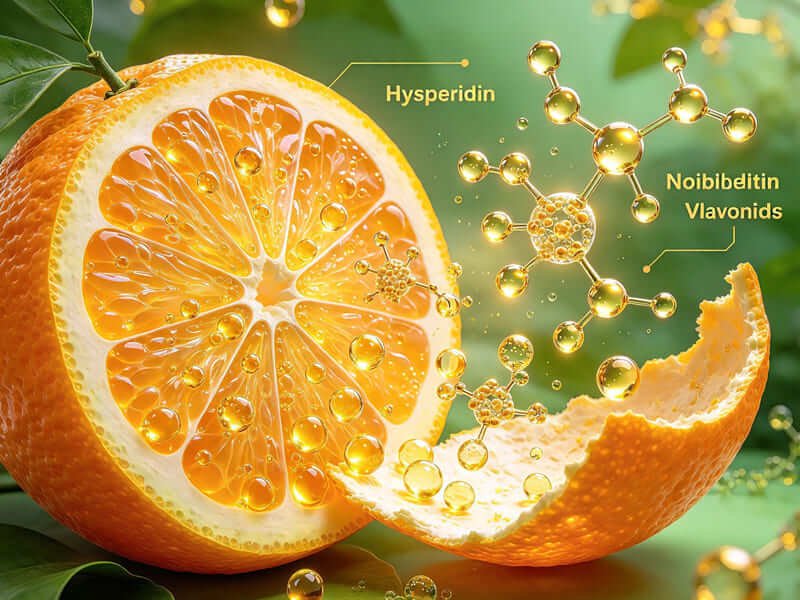
When you grind dried tangerine peel into a fine powder, you unlock a dense concentration of protective phytochemicals. Plants produce these secondary compounds over months of sunlight exposure to defend their fruit from bugs, harsh radiation, and mold. When humans consume them, these exact same plant chemicals deliver systemic health benefits throughout the body. Modern chromatography studies from institutions cataloged on PubMed Central show that tangerine peel contains more than 140 distinct natural compounds.
The Powerhouse Flavonoids: Hesperidin and Narirutin
The most abundant bioflavonoid in tangerine peel powder is hesperidin. Depending on the soil, climate, and age of the tree, hesperidin ranges from 6.32 to 135.40 milligrams per gram of dry peel. This citrus bioflavonoid is concentrated directly in the white inner spongy layer of the rind. Hesperidin strengthens tiny capillary walls, helps maintain normal blood vessel flexibility, and neutralizes free radicals before they damage cellular membranes. Working alongside hesperidin is narirutin, another gentle flavonoid that reduces tissue redness and supports natural immune defenses.
Polymethoxyflavones (PMFs): The Elite Citrus Defenders
Perhaps the most exciting discovery in modern functional nutrition is a special group of flavonoids called polymethoxyflavones, or PMFs for short. These compounds are found almost exclusively in the rinds of citrus fruits and exist in much higher amounts in peel than in juice. The two most famous PMFs are nobiletin and tangeretin.
What makes PMFs so special? Regular flavonoids carry water-loving hydroxyl groups that can make them hard for human cells to absorb through the gut wall. Polymethoxyflavones are decorated with multiple methoxy groups. This unique chemical shape makes them lipophilic, meaning they dissolve easily in fats. Because of this, nobiletin and tangeretin cross biological cell membranes and pass through the blood-brain barrier with remarkable speed. Researchers studying cellular metabolism have found that nobiletin can reach concentrations of up to 34.68 milligrams per gram in high-quality peels, providing superior anti-inflammatory support.
The Unique Chemical Marker: Pterostilbene
In a landmark analytical study published in ACS Omega, researchers compared the chemical fingerprints of eighteen different citrus cultivars. They identified a compound called pterostilbene in all pure tangerine samples, while it was completely absent in ordinary sweet oranges and hybrid fruits. Pterostilbene is a natural relative of resveratrol with exceptional cellular antioxidant and metabolic properties. Its presence serves as a reliable scientific fingerprint to prove whether a peel sample is authentic tangerine.
Natural Pectin Fiber and Aromatic Terpenes
Beyond flavonoids, tangerine peel powder provides a rich source of complex carbohydrates. Soluble fiber accounts for roughly 20% of the powder by weight, led by high-methoxyl pectin. Hot-water extraction yields between 4.28% and 8.90% pure pectin. This soluble fiber acts like a sponge in the digestive tract, binding to excess dietary cholesterol and feeding healthy gut flora.
The wonderful fragrance of tangerine peel comes from its volatile oils, dominated by d-limonene (which makes up 70% to 95% of the total essential oil). Limonene relaxes smooth digestive muscles, breaks up phlegm in airways, and provides a pleasant, calming sensory experience.
Key Bioactive Compounds in Tangerine Peel Powder
| Compound Category | Primary Active Markers | Concentration Range | Primary Health & Biological Role |
|---|---|---|---|
| Flavanone Glycosides | Hesperidin, Narirutin | 6.32 – 135.40 mg/g | Strengthens blood vessels, neutralizes free radicals, protects stomach lining. |
| Polymethoxyflavones (PMFs) | Nobiletin, Tangeretin, Sinensetin | 0.05 – 34.68 mg/g | Calms inflammation pathways, regulates blood lipids, protects brain cells. |
| Volatile Monoterpenes | d-Limonene, Gamma-Terpinene | 1.66% – 7.50% total oil | Stimulates bile flow, loosens chest mucus, provides uplifting citrus aroma. |
| Soluble Polysaccharides | High-Methoxyl Pectin | 4.28% – 8.90% dry yield | Prebiotic fuel for gut bacteria, supports healthy bowel motility. |
| Plant Alkaloids | Synephrine | 0.72 – 4.58 mg/g | Mildly relaxes bronchial passages and supports natural metabolism. |
Nutritional Breakdown per 100 Grams of Pure Peel Powder
| Nutrient Metric | Measured Content | Nutrient Metric | Measured Content |
|---|---|---|---|
| Energy Value | 278 Kcal | Potassium | 186.0 mg |
| Total Carbohydrates | 79.0 g | Magnesium | 113.0 mg |
| Dietary Fiber | 20.7 g | Calcium | 82.0 mg |
| Crude Protein | 8.0 g | Phosphorus | 85.0 mg |
| Total Lipid Fats | 1.4 g | Vitamin E | 6.73 mg |
4. The Science of Aging: Why Does Aged Chen Pi Increase in Value and Potency?
Quick Summary: Fresh citrus peel is too harsh, sharp, and bitter for sensitive stomachs. As tangerine peel ages over years and decades, natural enzymes slowly evaporate harsh volatile oils, soften bitter compounds, and concentrate healing flavonoids. Laboratory testing shows that hesperidin levels can jump by 40% to 60% over five years of clean storage, transforming the peel into a gentle, highly potent herbal remedy.
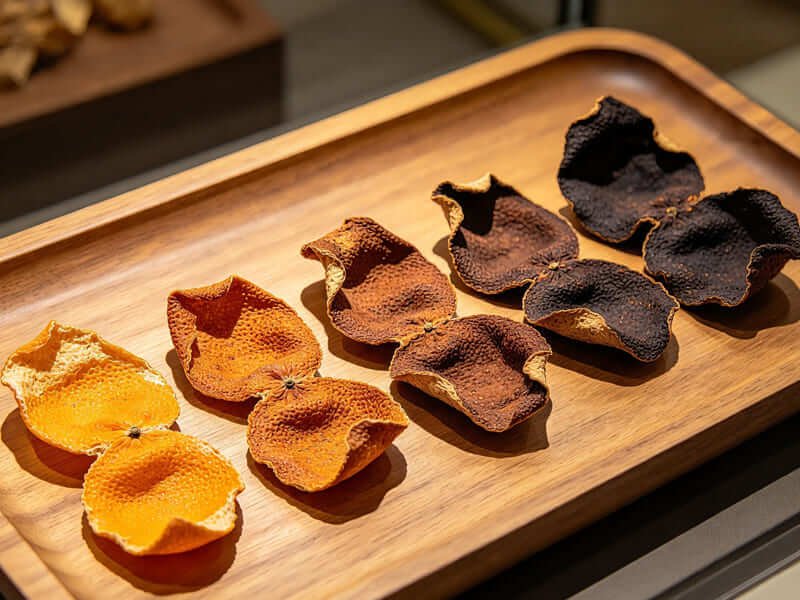
In almost every modern grocery store, fresh is considered best. We buy the newest produce, drink freshly squeezed juices, and toss anything that sits too long. But Chen Pi completely flips this script. In Chinese culture, aged tangerine peel is traded much like fine vintage wine or aged pu-erh tea. Exceptional pieces aged for twenty or thirty years are sold by the gram and can cost more than pure silver. In traditional Cantonese families, mothers historically began aging jars of Chen Pi when a daughter was born, giving it to her decades later as part of a precious wedding dowry.
Is this long aging process just traditional folklore, or does real science explain why old peel works better? Recent biochemical research published in food science journals confirms that a measurable, chemical transformation occurs as the peel matures.
Phase 1: Fresh Peel (0 to 1 Year)
Freshly dried peel retains its bright orange color and a sharp, highly acidic citrus smell. At this stage, the peel holds high amounts of fresh d-limonene, moisture, and bitter limonoid compounds. If you brew tea with fresh peel, it tastes sour, harsh, and astringent. These raw volatile oils can easily irritate the delicate mucous lining of your stomach, causing nausea or digestive cramping. In classical herbalism, fresh peel is not considered mature enough for medicinal therapy.
Phase 2: Maturing Peel (1 to 3 Years)
During the first three years of clean storage, the peel undergoes gentle natural oxidation and enzymatic fermentation. The surface color deepens from orange to warm yellow-brown. The harsh, sharp lemon-like smell begins to soften. Crucially, glycosidic bonds within the plant cells break down, freeing active flavonoids. By year three, the peel snaps cleanly when bent and can safely be used in daily digestive teas and cooking broths.
Phase 3: Mature Aged Chen Pi (3 to 10+ Years)
Once tangerine peel crosses the three-year mark, it officially earns the title of true Chen Pi. By five to ten years, the inner white pith turns light brown and flakes off easily, while the outer skin darkens to deep chestnut or nearly black. The harsh oils have evaporated away. What remains is a dense concentration of stable polymethoxyflavones, hesperidin, and pleasant aromatic esters.
A rigorous study published in Food Chemistry in 2020 analyzed authentic Xinhui peels across multiple storage years. The researchers discovered that hesperidin content increased by 40% to 60% over five years of proper aging compared to one-year-old samples. The brew produced from mature peel changes completely: instead of sourness and sharp acidity, it yields a clear, light amber liquid that tastes smooth, warming, earthy, and sweet, leaving a lingering sweetness in the throat.
How Chemical Composition and Market Value Evolve by Age
| Aging Category | Color & Texture | Aroma & Taste Profile | Hesperidin by Weight | Total Flavonoids |
|---|---|---|---|---|
| Fresh (Under 1 Year) | Bright orange; soft, flexible | Pungent, sharp citrus; sour, astringent | Under 2.50% | Unstable volatile baseline |
| 1 to 3 Years | Yellow-brown; crisp edges | Mellowing citrus zest; reduced bitterness | 2.72% | 4.97% |
| 3 to 5 Years | Warm chestnut brown; brittle | Sweet, woody citrus; smooth and warm | 2.81% | 5.19% |
| 10 Years (Medicinal) | Deep brown-black; flaking pith | Complex, antique herbal note; sweet finish | 3.64% | 6.44% |
| 15+ Years (Vintage) | Blackish-brown; delicate, thin | Rich, balsamic, aged tea-like; deeply mellow | 4.33% | 6.91% |
5. Processing and Manufacturing: How Is Tangerine Peel Turned into Powder?
Quick Summary: Producing safe, functional tangerine peel powder requires strict agricultural controls. Fresh peels are washed thoroughly in baking soda baths to remove pesticide residues, dried slowly below 60 degrees Celsius to protect delicate antioxidants, and ground into uniform particle sizes. For high-potency applications, facilities use hydro-ethanolic extraction and low-temperature spray drying to create completely water-soluble powders.
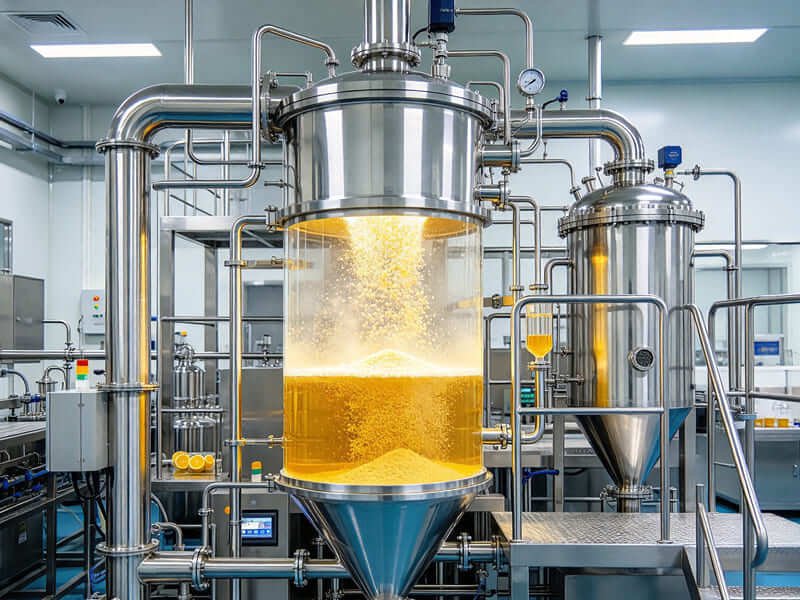
While drying a few fruit peels on a sunny kitchen windowsill is an enjoyable hobby, commercial powder production demands advanced industrial hygiene and analytical precision. Creating a stable, clean-label powder involves three primary manufacturing pathways:
Step 1: Raw Material Sourcing and Pesticide Elimination
The single greatest challenge facing citrus peel processing is agricultural spray residue. Citrus fruits attract bugs, scale, and fungal rot, leading conventional commercial growers to spray orchards heavily. Because pesticides do not penetrate deep into fruit flesh, eating an orange is safe. However, chemical residues concentrate heavily on the waxy outer rind.
In 2011, the United States Food and Drug Administration issued Import Alert 99-08 for pesticide contamination on imported citrus peels, subjecting shipments to strict detention without physical examination. To overcome this, certified processors partner with organic orchards and use food-grade alkaline wash cycles. Soaking fresh fruit in a sodium bicarbonate (baking soda) solution neutralizes acidic pesticide molecules before peeling, ensuring finished powders pass rigorous international safety screenings.
Step 2: Peeling and Low-Temperature Dehydration
Tangerines are peeled by hand or using specialized mechanical splitters. The Chinese Pharmacopoeia prefers peels cut into three symmetrical lobes that remain connected at the base. This specific cut protects the delicate oil cells from tearing.
Drying must be managed with extreme care. If temperatures exceed 60 degrees Celsius (140 degrees Fahrenheit), heat degrades natural vitamin C and damages the delicate polymethoxyflavones. Industrial facilities use vacuum dehydrators or low-temperature warm air tunnels running at 45 to 50 degrees Celsius for 12 to 15 hours until moisture drops safely below 5.0%. Keeping moisture minimal stops Aspergillus mold from growing and eliminates any risk of toxic aflatoxins forming in storage.
Step 3: Micronized Grinding vs. Spray-Dried Extraction
Once dried and aged, processors manufacture two primary product types depending on how the ingredient will be used:
- Micronized Whole Peel Powder: Dried rinds are chilled and ground through stainless-steel pin mills, passing through an 80-mesh or 120-mesh sieve. This creates a fine, whole-food powder containing the natural balance of insoluble fiber, soluble pectin, and flavonoids. It is widely used in pressed dietary tablets, fiber drink mixes, animal feeds, and bakery goods.
- Standardized Spray-Dried Extract Powder: For crystal-clear beverages and concentrated clinical capsules, whole peels undergo hydro-ethanolic extraction. Water and food-grade ethanol pull out the active flavonoids and PMFs. The liquid extract is concentrated under low-temperature vacuum systems and atomized into a heated chamber, creating a completely water-soluble powder standardized to 10:1, 20:1, or specific hesperidin percentages.
6. How Does Tangerine Peel Powder Support Digestion and Gut Health?
Quick Summary: Tangerine peel powder acts as a natural digestive balancer. It stimulates healthy stomach juices, eases abdominal cramps, and triggers bile flow to break down heavy, fatty meals. Recent research also shows that its natural pectin fiber feeds good gut bacteria like Bacteroides and Lactobacillus, producing short-chain fatty acids that heal the intestinal wall.
For over two thousand years, eastern physicians classified Chen Pi as a premier digestive tonic for spleen deficiency. In ancient terminology, spleen deficiency describes what modern doctors identify as sluggish digestion, abdominal bloating, chronic fatigue, poor nutrient absorption, and irregular bowel habits. Modern medical research confirms that tangerine peel works through several biochemical pathways to restore gut comfort.
Stimulating Gastric Juices and Balancing Gut Motility
When you consume a teaspoon of tangerine peel powder in tea or broth, its aromatic monoterpenes stimulate sensory receptors in your mouth and stomach. Pharmacological tests show that Chen Pi increases the secretion of natural gastric juices and digestive enzymes. More remarkably, it exhibits a dual-action balancing effect on gastrointestinal smooth muscle tissue: when the digestive tract is sluggish, it stimulates peristalsis to move food along; when the intestines are cramping or spastic, it relaxes the muscle tissue to ease discomfort.
Laboratory trials demonstrate that hesperidin regulates vital gastrointestinal messenger molecules. It elevates acetylcholine (ACh) and motilin (MTL)—two hormones that trigger healthy stomach emptying—while reducing excessive levels of substance P (SP) and vasoactive intestinal peptide (VIP). This stops food from sitting stagnant in your stomach, preventing sour acid reflux and post-meal drowsiness.
Bile Flow and Fat Digestion: Nature’s Dish Soap
Have you ever wondered why traditional Cantonese cooks always add dried tangerine peel to rich, fatty dishes like braised pork belly or roast duck? It is not just about citrus flavor. The active polymethoxyflavones in tangerine peel stimulate the liver and gallbladder to produce and release healthy bile.
Bile works inside your digestive tract exactly like dish soap on a greasy skillet. It emulsifies large, water-insoluble fat droplets into tiny microscopic bubbles. This gives your digestive enzymes enough surface area to break down heavy lipids and proteins quickly. Without adequate bile flow, dietary fats sit unabsorbed in the gut, causing bloating, gas, and loose stools. Tangerine peel helps ensure heavy meals are processed comfortably.
Reprogramming the Gut Microbiome
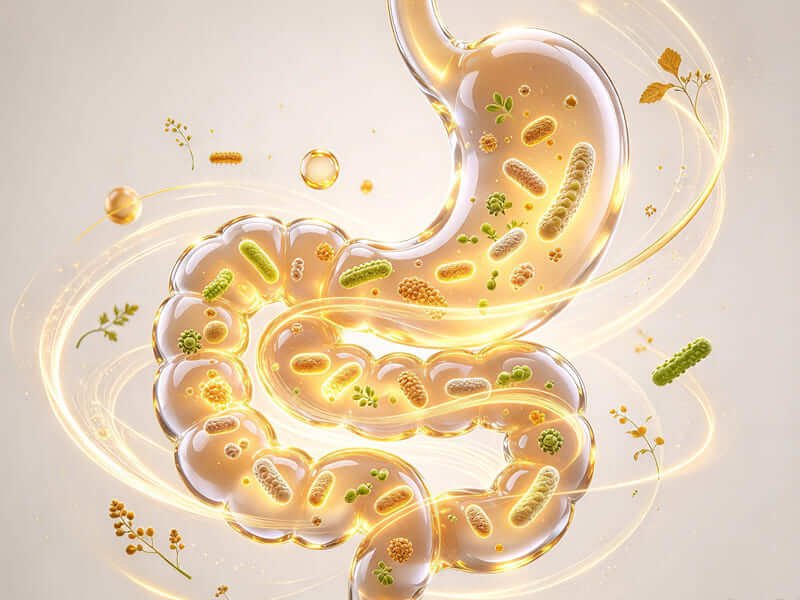
In a groundbreaking 2021 study published in Frontiers in Nutrition, researchers tested the impact of dried citrus peel extracts on gut microflora. The findings showed that tangerine peel polysaccharides significantly altered the microbial landscape:
- Significantly increased the abundance of beneficial probiotic bacteria, particularly Lactobacillaceae and Bacteroides.
- Decreased populations of harmful, inflammatory bacteria including Helicobacter and Desulfovibrio.
- Stimulated the fermentation of short-chain fatty acids (SCFAs), notably acetic acid and propionic acid, which nourish the epithelial cells lining the colon and reduce intestinal inflammation.
By acting simultaneously as a motility stimulant, a fat-digesting bile promoter, and a prebiotic fuel source, tangerine peel powder provides complete daily support for overall digestive wellness.
7. Can Tangerine Peel Powder Protect Heart and Metabolic Health?
Quick Summary: Clinical research shows that tangerine peel flavonoids help support a healthy cardiovascular system. Hesperidin and polymethoxyflavones help lower LDL cholesterol and triglycerides, relax stiff blood vessels, and soothe arterial inflammation. Research also suggests that nobiletin helps improve insulin sensitivity, supporting healthy blood sugar and weight management.
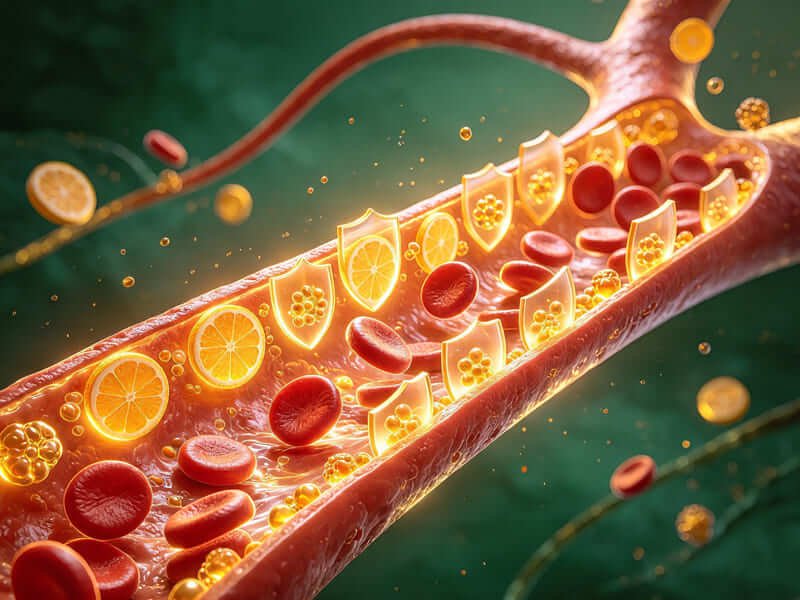
Cardiovascular disease and metabolic syndrome represent two of the largest health challenges worldwide. Both conditions share deep biological roots: chronic systemic inflammation, oxidative stress across blood vessel walls, and imbalances in circulating blood fats. While healthy nutrition and active exercise remain the foundation of cardiovascular wellness, natural citrus peel compounds provide powerful supplemental protection.
Clinical Evidence: Lowering LDL and Triglycerides
The primary flavonoid in tangerine peel, hesperidin, has undergone rigorous human clinical scrutiny. In a comprehensive meta-analysis published in 2022 covering nine separate randomized controlled human trials involving 2,414 subjects, researchers evaluated the impact of citrus hesperidin on blood lipids. The data showed that hesperidin supplementation produced statistically significant reductions in LDL cholesterol, total cholesterol, and triglycerides compared to control groups.
How does it work? In the liver, hesperidin and nobiletin inhibit key enzymes responsible for manufacturing cholesterol and assembling low-density lipoproteins. Additionally, the soluble pectin fiber in whole tangerine peel powder binds to bile acids in the small intestine. This pulls circulating cholesterol out of the bloodstream to synthesize fresh bile, naturally lowering systemic cholesterol levels without harsh pharmaceuticals.
Vascular Elasticity and Calming Arterial Inflammation
High blood sugar and oxidation can damage the delicate endothelial lining of your arteries, making them stiff and inflamed. In a 2022 animal study cataloged under PMC9783663, researchers administered Chen Pi extracts to diabetic animal models over four weeks. The botanical extract noticeably protected against vascular inflammation by suppressing key adhesion molecules—specifically VCAM-1, ICAM-1, and iNOS—while activating the body’s protective AMPK energy pathways.
Furthermore, research published in 2020 demonstrated that tangerine peel extract helps prevent pathological cardiac hypertrophy (abnormal enlargement and stiffening of the heart muscle). The extract works by upregulating PPAR-gamma (Peroxisome Proliferator-Activated Receptor Gamma), a specialized protein that helps regulate heart muscle metabolism and stops fibrous scar tissue from forming across the heart wall.
Metabolic Support and Healthy Weight Management
In animal models of diet-induced obesity, adding tangerine peel extract to high-fat diets helped mice gain significantly less weight, reduce fasting blood sugar levels, and lower body mass index compared to control groups. Nobiletin actively stimulates mitochondrial energy expenditure in muscle tissue and prompts fat cells to metabolize stored energy rather than accumulating excess lipids. For individuals managing stubborn metabolic sluggishness, incorporating pure peel powder into daily meals offers a gentle, natural metabolic boost.
8. How Does Tangerine Peel Powder Help the Respiratory System and Clear Phlegm?
Quick Summary: Tangerine peel powder has been used for centuries to loosen stubborn respiratory mucus and calm persistent wet coughs. Its natural synephrine content gently relaxes airway smooth muscles, while volatile terpenes stimulate natural fluids to thin thick chest secretions. Antioxidant flavonoids also protect lung tissues from airborne pollution and reduce allergic immune responses.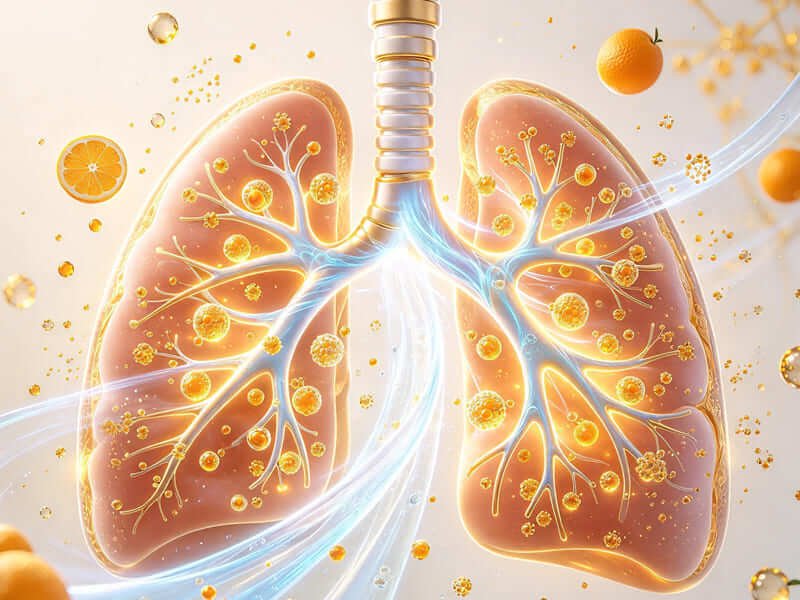
Whenever autumn turns into cold winter, respiratory clinics fill with patients suffering from chest congestion, wet rattling coughs, and sticky phlegm that refuses to budge. In traditional Chinese medical texts like the Ben Cao Gang Mu, aged tangerine peel is celebrated as one of the single most reliable herbs for drying dampness and transforming phlegm. Modern respiratory science confirms that this ancient botanical works through distinct pharmacological mechanisms to keep airways clear.
Thinning Mucus and Stimulating Natural Clearance
When bronchial airways become irritated by winter colds or dry air, mucous membranes overproduce thick, viscous secretions. This sticky mucus clogs tiny airway branches, triggering exhausting coughing spells. Pharmacological evaluations published in respiratory research reveal that Chen Pi stimulates the natural secretion of watery fluids in the respiratory tract. By adding moisture directly to the mucus layer, it dilutes heavy sputum, making it less sticky and much easier for the lungs to sweep outward through natural ciliary movement.
Synephrine: Nature’s Gentle Bronchodilator
The white inner layer and outer zest of tangerine peel contain natural synephrine. Synephrine acts as a mild, natural bronchodilator. It interacts gently with adrenergic receptors along airway smooth muscle tissue, relaxing bronchial spasms and opening constricted passages. Unlike synthetic ephedrine drugs that can raise heart rates and cause nervous jitters, the natural synephrine in tangerine peel exists in balanced, safe concentrations that soothe tight airways naturally.
Soothing Allergic Immune Responses and Asthma Triggers
Seasonal allergies and allergic asthma occur when the immune system overreacts to airborne particles, releasing excessive amounts of Immunoglobulin E (IgE) and triggering histamine release from mast cells. In clinical immunology studies examining citrus flavonoids, researchers found that tangerine peel extracts significantly reduced serum levels of IgE, Interleukin-4 (IL-4), and Interleukin-13 (IL-13). It also inhibited the release of beta-hexosaminidase, an enzyme that triggers allergic swelling in airway tissues.
Shielding Lungs from Air Pollution and Particulate Matter
Modern city dwellers face daily exposure to microscopic airborne pollution, known as PM2.5 particulate matter. These tiny dust and smoke particles penetrate deep into the alveolar sacs of the lungs, causing cellular oxidation and chronic respiratory inflammation. In laboratory lung epithelial models, the polymethoxyflavones in tangerine peel powder effectively neutralized reactive oxygen species, reduced cellular inflammation, and protected fragile lung membranes from long-term environmental damage.
9. Emerging Research: Brain Health, Bone Support, and Cellular Protection
Quick Summary: Cutting-edge medical research shows that tangerine peel compounds reach far beyond digestion. Nobiletin easily crosses into the brain, where it helps clear toxic amyloid proteins and support memory in neurodegenerative models. Peel bioflavonoids also stimulate bone-building osteoblast cells to defend against osteoporosis and strengthen cellular defenses against abnormal cell growth.
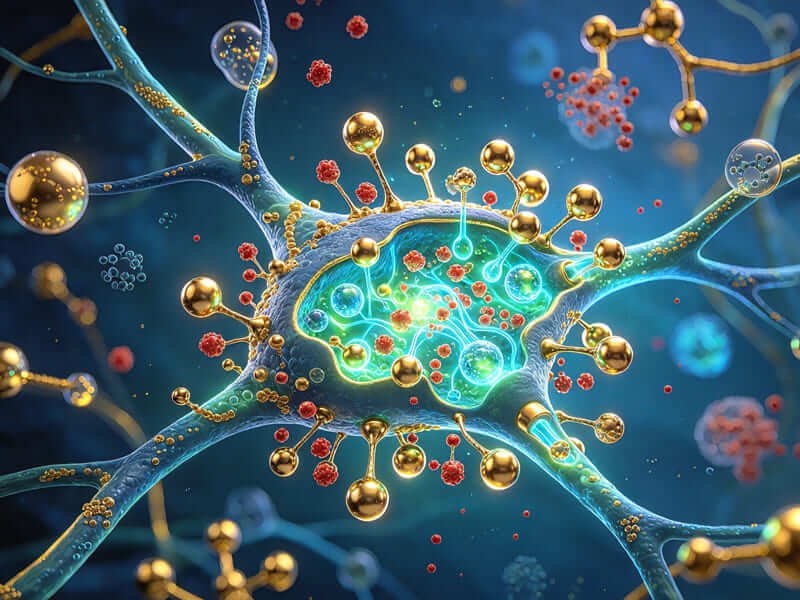
While digestion and respiratory care represent the historic foundation of Chen Pi therapy, university research teams over the past decade have uncovered extraordinary potential for tangerine peel compounds in complex, systemic diseases. Because polymethoxyflavones dissolve readily in lipid membranes, they enter tissues that ordinary water-soluble antioxidants cannot reach.
Neuroprotection and Cognitive Health (Alzheimer’s and Parkinson’s Research)
Alzheimer’s disease is characterized by the accumulation of toxic amyloid-beta (Aβ) protein plaques and hyperphosphorylated tau tangles, which destroy brain neurons and cause progressive memory loss. Neuroscientists investigating natural compounds discovered that nobiletin from tangerine peel crosses the blood-brain barrier with ease.
In animal models of cognitive decline, nobiletin demonstrated multiple therapeutic actions:
- It reduces the formation and facilitates the enzymatic clearance of toxic amyloid-beta peptides in the hippocampus.
- It prevents excessive phosphorylation of tau proteins, protecting the microtubule architecture inside brain cells.
- It stimulates acetylcholine activity, an essential neurotransmitter responsible for focus, learning, and recall.
- It calms inflammatory microglial cells, stopping chronic neuro-inflammation before it damages delicate brain circuits.
Skeletal Bone Density and Osteoporosis Prevention
As estrogen levels decline with age, women face increased risks of osteoporosis, where bone mineral density drops and bones become brittle. In animal studies evaluating post-menopausal bone loss, tangerine peel extracts significantly inhibited bone resorption. Flavonoids in the peel activate the BMP/p38/Smad/Runx2 biological pathway, which signals mesenchymal stem cells to differentiate into healthy osteoblasts (bone-building cells). At the same time, nobiletin suppresses inflammatory cytokines that trigger bone-destroying osteoclast activity, helping to maintain structural bone density.
Mitochondrial Biogenesis and Physical Endurance
Skeletal muscles rely on tiny cellular power plants called mitochondria to produce energy during physical exercise. Research published in the Journal of Agricultural and Food Chemistry revealed that tangeretin from citrus rinds activates the AMPK-PGC1-alpha pathway. This genetic pathway triggers mitochondrial biogenesis—the creation of fresh, healthy mitochondria inside muscle cells. In laboratory trials, animals supplemented with tangeretin demonstrated improved exercise performance, faster recovery times, and reduced muscle tissue injury after strenuous physical activity.
Cellular Defense and Oncology Research Highlights
In laboratory cell cultures, bioactive compounds from tangerine peel display remarkable anticancer properties. Researchers in the United Kingdom discovered that tangeretin strengthens the cell-to-cell adhesive protein known as E-cadherin. Cancer cells frequently downregulate E-cadherin to break free from tumor masses and spread through the bloodstream. By reinforcing E-cadherin integrity in epithelial tissue, tangeretin helps hold cells firmly in place, inhibiting the spread of breast cancer cells in laboratory models. Other studies show that hesperidin and naringin trigger programmed cell death (apoptosis) in lung cancer (A549), liver cancer (HepG2), and nasopharyngeal carcinoma cells while sparing healthy tissue.
10. How Is Tangerine Peel Powder Used in Skincare and Cosmetics?
Quick Summary: In modern clean cosmetics, tangerine peel extract acts as a gentle brightening and anti-aging ingredient. It naturally slows down tyrosinase to fade dark spots and acne marks without irritating sensitive skin. Its rich vitamin C and bioflavonoids also neutralize sun-induced free radicals, protect collagen from breakdown, and promote a smooth, radiant complexion.
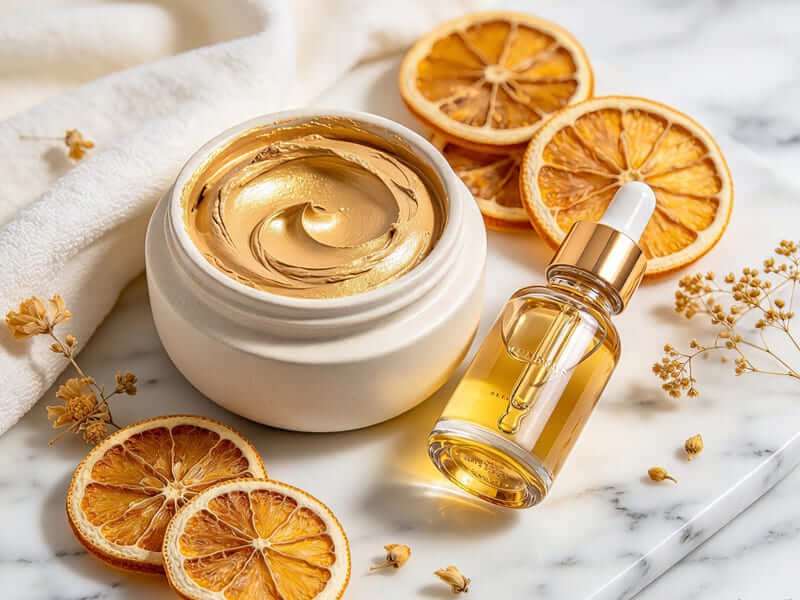
The beauty industry is moving rapidly toward fruit-derived, clean-label ingredients. While consumers love vitamin C serums, synthetic ascorbic acid formulas can be notoriously unstable, turning brown and irritating sensitive facial skin. Tangerine peel extract, listed under cosmetic nomenclature as Citrus Reticulata (Tangerine) Peel Extract or Citrus Unshiu Peel Extract, provides a stable, gentle, and multi-functional alternative.
Fading Hyperpigmentation via Tyrosinase Inhibition
Dark sun spots, melasma, and stubborn post-breakout marks occur when skin cells overproduce melanin pigment. The master enzyme controlling this process is called tyrosinase. Dermatological laboratory trials confirm that the polymethoxyflavones in tangerine peel—specifically nobiletin and tangeretin—downregulate tyrosinase activity and suppress melanogenesis signaling pathways (MITF and TRP-1). Regular use helps fade dark patches and evens out skin tone without the harsh peeling or rebound redness linked to synthetic chemicals like hydroquinone.
Protecting Collagen and Firming Skin Texture
Aging skin loses its bouncy elasticity when enzymes called collagenase and elastase break down structural protein fibers in the dermis. Tangerine peel flavonoids actively inhibit both of these damaging enzymes. Simultaneously, the peel provides natural ascorbic acid that works alongside amino acids inside fibroblast cells to synthesize brand new pro-collagen fibers, keeping skin plump and firm.
Improving Surface Light Reflection and Glow
Have you ever wondered why your skin looks dull even after moisturizing? When dead, dehydrated skin cells build up unevenly on the surface, light scatters irregularly instead of bouncing cleanly. Tangerine peel extract encourages a more organized arrangement of surface skin cells (corneocytes). This smooth micro-texture allows natural light to reflect evenly across your cheeks, creating that radiant, dewy glow celebrated in Korean skincare routines.
Formulating at Home: DIY Face Masks and Scrubs
You can easily incorporate pure tangerine peel powder into your weekly self-care routine with these simple, effective recipes:
- Brightening Clay Mask: Mix 1 teaspoon of pure tangerine peel powder with 1 tablespoon of kaolin or fuller’s earth clay. Add 2 tablespoons of organic rosewater and a drop of raw honey. Mix into a smooth paste, apply to clean skin for 15 minutes, and rinse with warm water to clear pores and brighten dull complexions.
- Gentle Exfoliating Face Scrub: Blend 1 teaspoon of finely ground tangerine peel powder with 1 tablespoon of plain yogurt and half a teaspoon of sandalwood powder. Gently massage over damp skin in circular motions for two minutes. Natural fruit acids dissolve dead surface flakes while lactic acid in the yogurt leaves your skin baby-soft.
11. Culinary, Beverage, and Food Formulation Applications
Quick Summary: In cooking, dried tangerine peel is a master seasoning that cuts through the heaviness of rich meats, flavors holiday baked goods, and enriches bone broths. In beverages, it pairs famously with aged Pu-erh tea in Xiao Qing Gan or with white tea in Chenpi Baicha, delivering warm citrus complexity and natural digestive support in every cup.
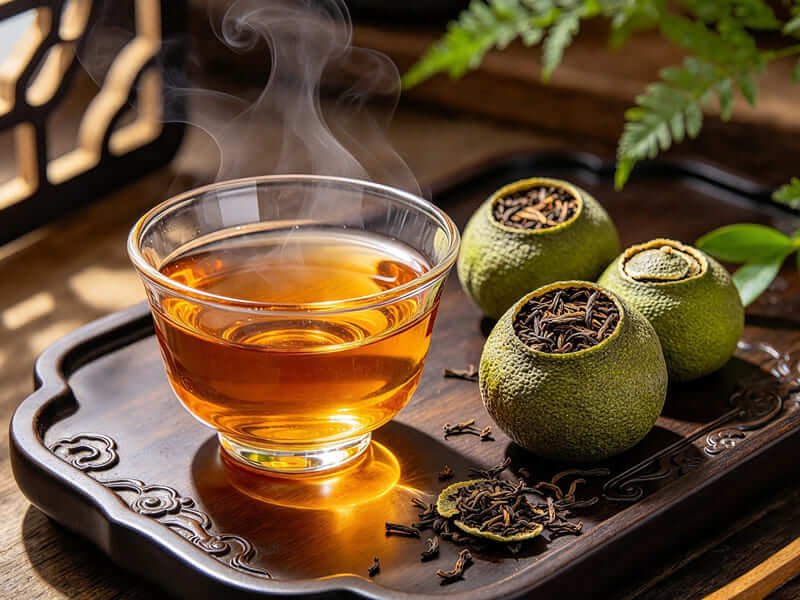
Beyond its traditional medical uses and modern skincare applications, tangerine peel has held an honored place in world kitchens for centuries. In traditional Cantonese cuisine, Chen Pi is treated not merely as a citrus aroma, but as an indispensable culinary balancing tool.
The Culinary Art of Balancing Rich Meats
In Cantonese master kitchens, chefs understand that rich meats like roast duck, beef brisket, and pork trotters can quickly overwhelm the palate. Adding strips or powder of aged tangerine peel accomplishes three culinary goals:
- Eliminates Gaminess: The aromatic terpenes dissolve undesirable gamey odors in beef and poultry.
- Adds Layered Complexity: Unlike fresh lemon juice, which adds sharp acidity, aged peel delivers a warm, woody, bittersweet citrus depth that rounds out savory soy sauce, ginger, and star anise.
- Aids Digestion: It stimulates bile flow, so diners can enjoy rich, indulgent stews without feeling weighed down. Classic dishes like Tangerine Peel Beef, Chen Pi Duck, and Braised Pork with Soybeans owe their iconic status to this partnership.
Xiao Qing Gan: The Living Citrus Tea
One of the most elegant beverage traditions in Chinese tea culture is Xiao Qing Gan (小青柑). Workers hollow out small, green Xinhui tangerines, fill the empty rind with premium aged fermented Pu-erh tea, and dry the entire fruit together under the sun. Over years of storage, the tea leaves absorb the fragrant volatile oils from the rind, while the peel slowly cures. When brewed with boiling water, the dark, earthy notes of the fermented Pu-erh merge seamlessly with bright, warming citrus oils, creating an extraordinary digestive tea enjoyed after heavy holiday dinners.
Chenpi Baicha: White Tea Meets Aged Peel
Another beloved combination is Chenpi Baicha—blending aged tangerine peel with gentle Fuding white tea (such as Shou Mei or White Peony). White tea is rich in delicate, unoxidized catechins that soothe inflammation, while the aged peel provides respiratory and stomach support. Brewed together at 90 to 95 degrees Celsius, the cup yields a golden liquor with a smooth honey sweetness and a long, refreshing citrus aftertaste.
Modern Food Processing and Baking Applications
Commercial food manufacturers use clean-label tangerine peel powder as an upcycled natural ingredient across modern grocery products:
- Functional Baked Goods: Adding peel powder to scones, muffins, artisan breads, and pumpkin pies enhances citrus flavor while adding texture-improving pectin fiber.
- Beverage Bulking and Masking: In powdered drink mixes, RTD functional teas, and meal-replacement shakes, tangerine peel powder provides natural cloudiness, smooth viscosity, and helps mask the metallic off-notes of vitamins and plant proteins.
- Spice Rubs and Seasoning Blends: Blended with sea salt, cracked black pepper, garlic, and smoked paprika, it creates an unforgettable citrus-pepper rub for grilled salmon and poultry.
12. How Does Tangerine Peel Compare to Orange, Lemon, and Lime Peels?
Quick Summary: While all citrus peels smell uplifting, their chemical strengths differ. Tangerine peel is uniquely warm, rich in polymethoxyflavones, and improves with age. Sweet orange peel is sweeter and thicker, but lacks high PMF levels. Lemon peel is cool, sharp, and focused on surface cleansing, while lime peel strongly moves liver tension.
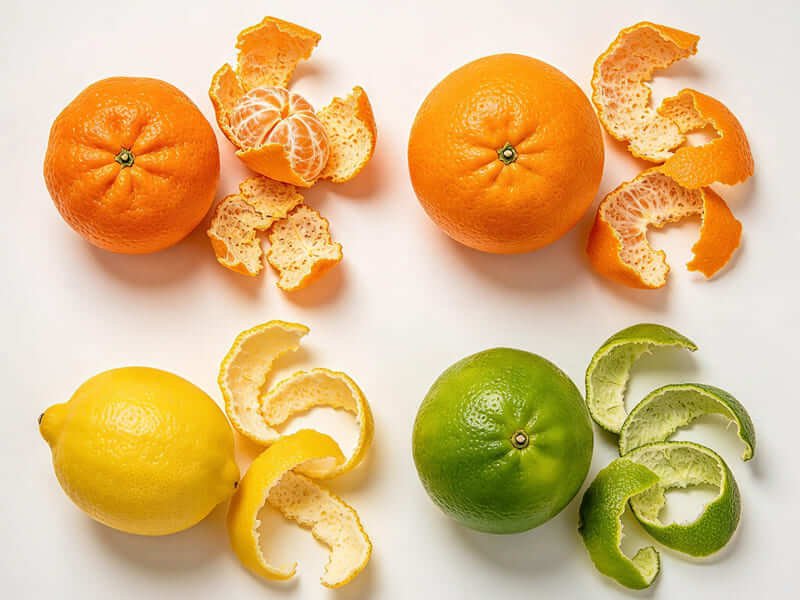
Many consumers assume that citrus rinds are interchangeable. If a recipe or herbal tea calls for dried citrus, they wonder if they can simply grate a supermarket navel orange or yellow lemon instead. While all citrus rinds belong to the Rutaceae family, their chemical compositions, sensory qualities, and herbal properties are quite distinct:
Sweet Orange Peel (Citrus sinensis)
Sweet orange peel is thicker, meatier, and holds a much thicker layer of white spongy pith. When dried, it has a pleasant, mild orange flavor, but it contains significantly higher levels of bitter limonoids. More importantly, sweet orange peel does not possess the unique polymethoxyflavone density found in Citrus reticulata, and it does not age into medicinal Chen Pi. In fact, if you try to age sweet orange peel for years, its thick pith often oxidizes poorly or spoils. It is wonderful for candying or baking flavor, but it is not a medicinal substitute for Chen Pi.
Lemon Peel (Citrus limon)
Lemon peel is bright, sharp, and intensely sour. Its energetic profile is cool and cleansing rather than warm. Lemon peel contains very high amounts of citric acid and specialized bioflavonoids like eriocitrin. It is ideal for clearing mental sluggishness, cutting through grease, and making non-toxic household cleaning sprays. However, because of its cold, acidic nature, consuming large amounts can aggravate a cold, weak stomach.
Lime Peel (Citrus aurantifolia)
Lime peel is deeper, sharper, and slightly astringent. In eastern medicine, lime peel carries a strong moving quality that helps ease emotional tension, tightness in the ribcage, and stress-related digestive knots. Its aroma holds up well in savory marinades, ceviche, and spiced broths.
Direct Botanical Comparison Across Citrus Peels
| Citrus Variety | Botanical Species | Flavor & Energetic Nature | Signature Phytochemicals | Best Primary Application |
|---|---|---|---|---|
| Aged Tangerine (Chen Pi) | Citrus reticulata Blanco | Warm, acrid, sweet-bitter | Nobiletin, Tangeretin, Hesperidin, Pterostilbene | Spleen Qi regulation, wet phlegm, functional tea, metabolic health. |
| Sweet Orange Peel | Citrus sinensis | Neutral, sweet, heavy, bitter | d-Limonene, high coumarins, bitter limonoids | Dessert flavoring, candied peels, commercial pectin production. |
| Lemon Peel | Citrus limon | Cool, sharp, intensely sour | Citric acid, Eriocitrin, Vitamin C | Cleansing, liver sluggishness, natural household cleaning. |
| Lime Peel | Citrus aurantifolia | Cool, sharp, astringent, bitter | Volatile monoterpenes, aldehydes | Stress-induced Qi stagnation, savory marinades, cocktails. |
13. Quality Verification: How to Spot Fake Chen Pi and Avoid Contaminants
Quick Summary: Because authentic aged Chen Pi commands high prices, fake products are common. True aged peel has a bumpy outer texture, a white inner pith that flakes off naturally, and a layered aroma of old wood, citrus, and wine. Counterfeits smell of one-dimensional raw citrus, feel rubbery, or have been soaked in dark tea to fake age.
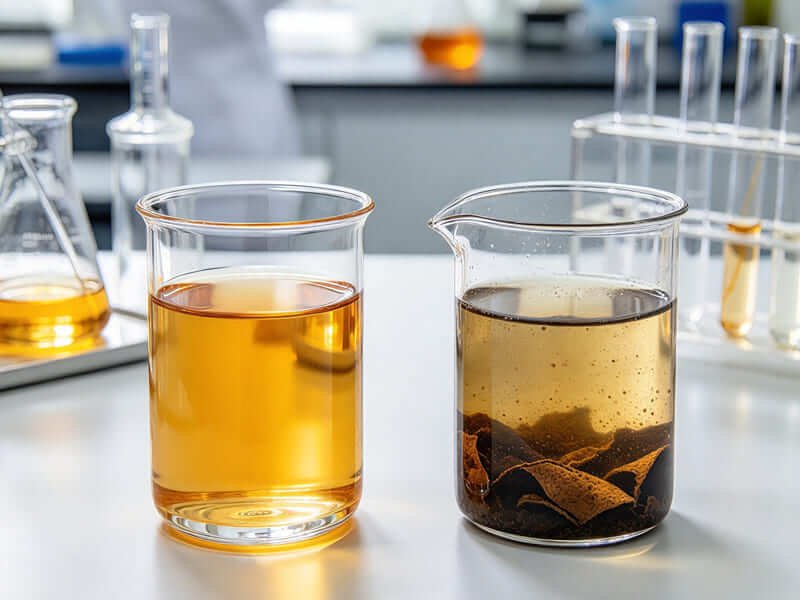
Due to the lucrative market for aged Chen Pi, fraudulent products have entered the global supply chain. Unscrupulous sellers take cheap, fresh orange peels from juicing factories, dye them with dark black tea, bake them at high temperatures to char the edges, and market them as “10-year-old aged peels.” Consuming these fakes deprives you of medicinal benefits and can expose you to harmful contaminants. Here is how to verify genuine quality:
Visual and Tactile Inspection
- The Outer Skin (Epidermis): Authentic aged Chen Pi features an uneven, pebbled, bumpy surface filled with visible oil glands. Younger or counterfeit peel has a flat, smooth, uniform look. If the peel has a bluish or greenish cast, it was likely scorched at excessive temperatures in a commercial oven.
- The Inner Pith: Genuine aged peel has an inner white layer that gradually turns pale brownish-yellow, becoming brittle and flaking off easily when rubbed with a thumbnail. Counterfeit peels often have a thick, spongy, rubbery inner capsule that adheres stubbornly to the rind.
The Three Odors of Authentic Chen Pi
Your sense of smell is one of the best analytical tools available. Fake or artificially darkened peel smells of raw, sharp citrus zest or burnt caramel. Authentic aged Chen Pi exhibits three distinct, harmonious scent layers:
- Chén (陈): An antique, dusty, aged book or seasoned cedarwood note.
- Xiāng (香): A clean, elegant, warm citrus fragrance that rises from deep within the dried oil glands.
- Chún (醇): A rich, mellow, fermented note resembling vintage wine or fine balsamic vinegar.
The Water Soak Test
When you drop a piece of fake, tea-dyed citrus peel into hot water, the liquid turns dark brown and muddy almost immediately. It tastes sour, astringent, and unpleasantly bitter without any warming spice. Authentic aged Chen Pi releases its color slowly. The steeped tea remains light, clear, and golden-amber. Its flavor is remarkably smooth, rounded, and gently warming, with almost zero sourness.
Quality Authentication Checklist
| Evaluation Test | Authentic Aged Chen Pi | Counterfeit or Poor Quality Peel |
|---|---|---|
| Surface Texture | Bumpy, dense oil reservoirs, irregular lobes | Smooth, flat, uniform surface, scorched sheen |
| Inner Pith State | Flakes off easily; brittle, pale brownish-white | Thick, rubbery, firmly glued; artificially dyed yellow |
| Aroma Character | Mellow, woody, wine-like, and warm citrus | Sharp, acidic, one-dimensional raw orange or burnt smell |
| Hot Water Brew | Clear, luminous golden-amber; sweet aftertaste | Dark, cloudy, muddy brown; harsh sour and bitter taste |
14. Frequently Asked Questions About Tangerine Peel Powder
Quick Summary: Here are clear, science-backed answers to the most common questions regarding tangerine peel powder, covering daily usage safety, weight loss support, caffeine content, and contraindications.
Q1: What is tangerine peel powder good for?
Tangerine peel powder is primarily used to relieve digestive heaviness, reduce gas and bloating, ease food stagnation after rich meals, and break up thick respiratory phlegm. In cosmetic formulations, it is prized for fading hyperpigmentation and brightening skin tone.
Q2: Is dried tangerine peel the same as regular orange peel?
No. Authentic dried tangerine peel comes from Citrus reticulata (mandarins and tangerines). Regular orange peel comes from Citrus sinensis (sweet oranges). Tangerine peel has a thinner, less bitter rind, carries vastly higher concentrations of polymethoxyflavones like nobiletin, and improves in bioactivity as it ages, whereas sweet orange peel does not.
Q3: Can tangerine peel powder help with weight loss?
Yes, as a supportive functional food. Clinical research shows that tangerine peel flavonoids—specifically nobiletin and tangeretin—help downregulate fat accumulation in liver cells, stimulate AMPK metabolic pathways, and support healthy bile production to process dietary fats efficiently.
Q4: Does tangerine peel powder contain caffeine?
No. Pure tangerine peel powder is 100% naturally caffeine-free. If you experience caffeine stimulation from tangerine tea, that caffeine comes from the tea leaves it is blended with, such as fermented Pu-erh or White Tea.
Q5: Can I drink tangerine peel tea every single day?
For most people, drinking one to two cups of mild tangerine peel tea after meals is safe and beneficial for digestion. However, because Chen Pi is warm and drying, individuals who run hot or suffer from Yin deficiency should use it in moderation.
Q6: Who should avoid using tangerine peel powder?
According to traditional herbal pharmacology, people with Yin deficiency and internal heat should avoid large doses. Symptoms include a dry, hacking cough with no mucus, a burning sensation in the mouth or throat, night sweats, or a red tongue with little or no coating. Consuming drying, warming herbs during these conditions can dry out body fluids further.
Q7: Can tangerine peel powder cause allergic reactions?
True allergies to citrus rinds are rare, but they can occur. People with known sensitivities to citrus fruits or limonene should perform a small patch test before using topical skincare products or consuming concentrated extracts. Always consult your healthcare provider if you take prescription medications metabolized by liver cytochrome enzymes.
Q8: Can I make my own Chen Pi using ordinary grocery store tangerines?
While you can dry citrus peels at home, supermarket fruit is heavily sprayed with synthetic insecticides and coated with petroleum or carnauba waxes that penetrate the rind. If you make peel at home, you must source certified organic, unwaxed fruit, wash it thoroughly in a warm baking soda bath, and dry it until crisp.
Q9: How should I store tangerine peel powder to keep it fresh?
Store your powder in an airtight glass jar or moisture-barrier pouch in a cool, dark, and dry cupboard. Protect it from humidity and direct sunlight. Keeping moisture below 5% prevents the powder from clumping and avoids mold growth.
Q10: Does tangerine peel powder expire or go bad?
High-quality, spray-dried extract powders maintain a stable shelf life of 24 to 36 months when kept sealed. Whole dried peels, when stored properly in dry conditions, do not expire in the traditional sense; they continue to age and mature in quality for decades.
15. Conclusion: Bringing Balanced Botanical Care to Your Routine
In our modern search for optimal health, we often look for complex, expensive laboratory solutions. Yet, as science continues to explore traditional botanical remedies, we discover that nature figured out metabolic harmony thousands of years ago. Tangerine peel powder stands as a brilliant bridge between ancient empirical wisdom and modern clinical pharmacology.
By transforming what was once treated as agricultural waste into a functional health powerhouse, dried tangerine peel proves that real wellness lies in utilizing the whole plant. From its remarkable polymethoxyflavones that calm inflammation and protect blood vessels, to its high-methoxyl pectin that reprograms the gut microbiome, this golden citrus powder offers multi-targeted support for human vitality.
For product formulators, wellness creators, and health practitioners who demand verified purity and reliable raw material integrity, sourcing makes all the difference. Authentic therapeutic outcomes begin in clean soil and controlled low-temperature processing. To explore standardized, pesticide-compliant citrus extracts and premium bulk botanical solutions crafted to the highest international analytical standards, discover the processing capabilities at Botanical Extract Factory. Reach out to our technical team today to receive lot-traceable samples, full regulatory dossiers, and dedicated formulation support for your next health innovation.